


When Text Becomes the Algorithm’s Favorite
TikTok built its identity on video. Short clips, trending sounds, quick cuts – the platform’s entire architecture was designed around motion. So when TikTok quietly rolled out a dedicated text post format in 2023, most creators treated it as a minor footnote, not a strategic opening. That was a mistake.
Text posts on TikTok – static, scrollable, formatted like a note or journal entry – are now pulling reach numbers that video creators are starting to notice with some discomfort. The format strips away production value entirely and replaces it with something the algorithm apparently rewards just as generously: direct, readable content that keeps people on screen. The question isn’t whether this is happening. The question is why, and what to do about it.

What Text Posts Actually Are on TikTok
TikTok’s text post feature lets creators publish written content with colored backgrounds, styled fonts, and optional sound – no video required. The format looks closer to a Twitter thread or a Notes app screenshot than anything traditionally associated with TikTok. Posts can include stickers, captions, and tags, and they appear in the For You feed alongside video content without any obvious label marking them as lesser content.
The format is not viral by accident. TikTok designed the text post as a standalone content type with its own creation flow, which signals internal investment, not an afterthought. Creators can add background music to text posts, making them feel more native to the platform while still foregoing the camera entirely. For anyone who has ever felt locked out of TikTok’s growth because they dislike being on video or lack editing skills, the format is a direct entry point.
What makes text posts unusual is how they perform relative to the effort required to make them. A well-written 150-word text post – something that takes under five minutes to create – is reporting organic reach comparable to short videos that took hours to film and edit. This is not uniformly true across all accounts or niches, but it is consistent enough that marketers are actively adjusting their content calendars around it.
The Algorithm’s Appetite for Dwell Time
TikTok’s For You Page algorithm is widely understood to prioritize completion rate and engagement signals over follower count or historical performance. Video content, for all its production value, carries a hidden liability: people skip it. A text post, by contrast, requires reading – and reading takes time. A viewer who stops to read a text post for 20 seconds is generating a stronger dwell time signal than someone who watches three seconds of a video before swiping. That ratio matters more than most creators expect.
Comments are another factor. Text posts tend to generate longer, more substantive comments than reaction-based video replies. This is partly because the text format invites a conversational response – it reads like something a friend wrote, not a broadcast. Higher comment quality and volume feeds back into the algorithm’s ranking signals, creating a loop where a single strong text post continues to circulate long after its initial publish date. The engagement tail on text content is, anecdotally, longer than most short-form video.
Why Creators Are Shifting Quietly
The shift is happening without much public announcement precisely because it feels counterintuitive. Creators who have built audiences on video are not abandoning that format – they are adding text posts strategically, testing them in parallel, and watching what happens. In some cases, a text post about a behind-the-scenes observation or an opinion on a trending topic is outperforming the video they spent a day shooting. That kind of data point changes behavior fast.
For brand accounts, the calculus is slightly different. Video content carries brand guidelines, approval chains, production costs, and talent coordination. A text post can be drafted, approved, and published in the time it takes to book a studio. For social media managers operating under resource constraints, text posts offer a way to stay active and relevant without burning through the content budget. The low production floor also means more experimentation – brands can test messaging, tone, and topics without committing to a full video production cycle.
There is also a credibility angle that text posts seem to unlock. Written opinions read as more considered than spoken ones, even when the words are identical. A creator who posts a short video saying “I think this trend is overrated” is competing with every other opinion video in that space. The same opinion, formatted as a text post with a clean background and a direct headline, reads differently – it feels deliberate, like a position worth taking seriously. Audiences respond to that distinction.
This connects to a broader content behavior shift that is already playing out on other platforms. The appetite for text-based authority content is not unique to TikTok – it is visible in how LinkedIn’s formats are evolving as well, with text-forward posts consistently outpacing image carousels in comment engagement. TikTok is arriving at that realization on its own timeline, and creators who understood the pattern early on other platforms are already ahead.
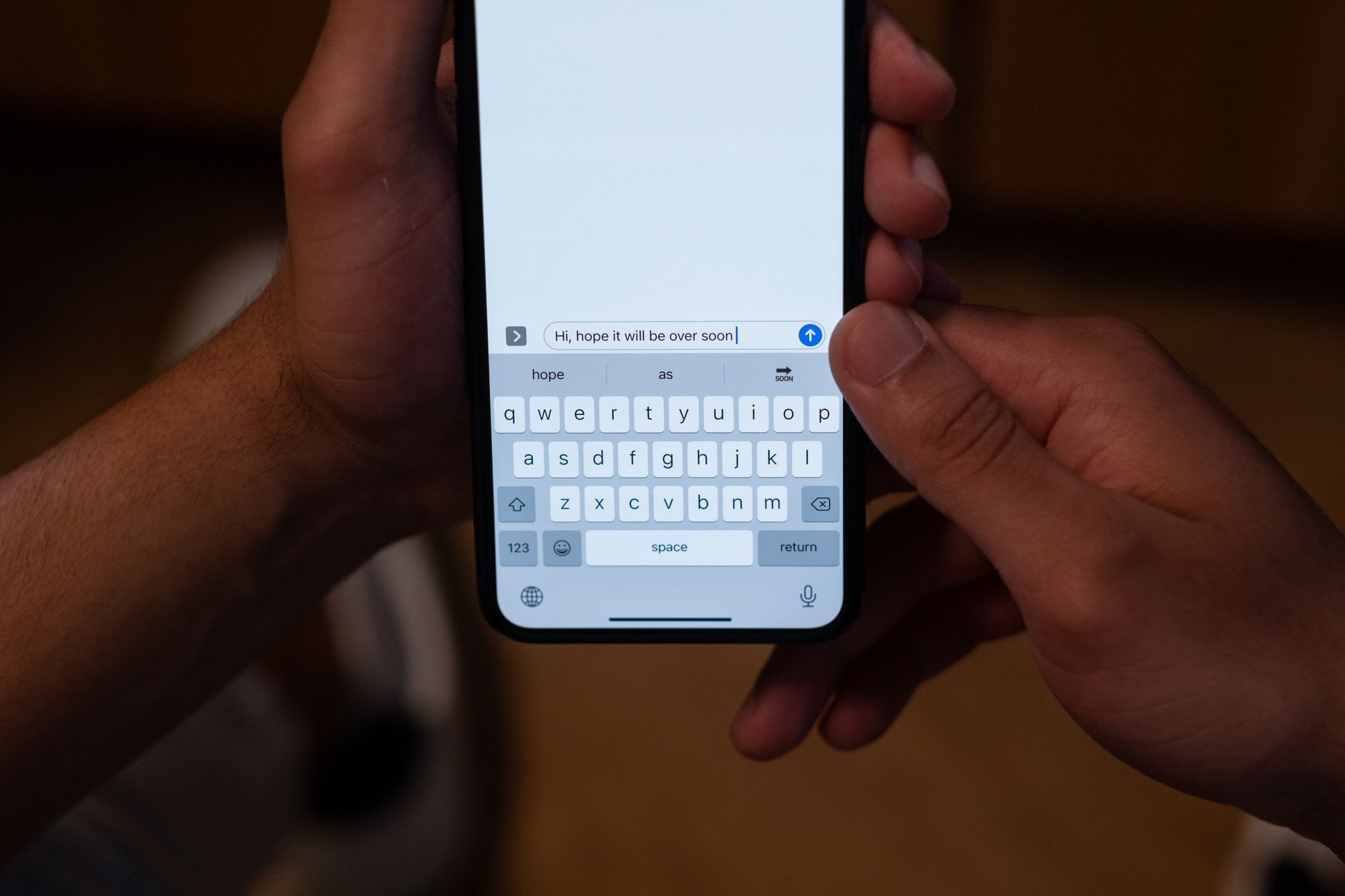
The practical implication is that TikTok is no longer a single-format platform in any meaningful sense. Treating it exclusively as a video destination means voluntarily leaving reach on the table. A text post that articulates a sharp take, shares a counterintuitive observation, or tells a short story in plain language is competing directly with video content in the same feed – and winning often enough that the strategy deserves a permanent slot in any TikTok content plan. The format does not need to replace video. It needs to be taken seriously alongside it, which most brand playbooks still have not done.