



Wireframes were always a workaround – a way to approximate a social media concept without actually showing it. Loom’s AI Storyboard feature is making that workaround unnecessary, and social media agencies are starting to notice.
What Loom’s AI Storyboard Actually Does
Loom built its reputation as an async video messaging tool – the kind of thing a product manager sends instead of scheduling a meeting. The AI Storyboard feature takes that core function and pushes it into creative territory. When a user records a walkthrough or pitch explanation, the AI analyzes the spoken content and generates a visual storyboard tied to the narration, breaking the video into discrete frames with suggested imagery, copy placement, and content sequencing.
For social media pitches, the timing matters enormously. A traditional pitch deck with wireframe mockups requires the client to imagine how a static box translates to an Instagram carousel or a TikTok sequence. Storyboards built directly from narrated video remove that imaginative leap entirely. The client sees pacing, sees copy hierarchy, sees the emotional arc of a campaign before a single dollar is spent on production.
The feature works by parsing the audio transcript and pairing segments with visual cues that reflect the described content. It is not generating polished design assets – it is generating a logic map for a campaign, which is precisely what most social pitches need. Agencies frequently lose pitches not because the strategy is weak but because the presentation fails to convey momentum. A storyboard that moves through a campaign sequence answers that problem directly.
Loom’s positioning here is quiet, almost accidental-feeling. The company has not launched a dedicated creative suite or rebranded as a design tool. The Storyboard feature sits inside a workflow most teams already use for internal communication, which means adoption comes without a separate budget conversation or a new software onboarding process.
Why Wireframes Are Losing Ground in Social Pitching
Wireframes made sense when social media was simpler. A Facebook post, a banner ad, a newsletter layout – static frames communicated those formats clearly because the formats themselves were static. The social landscape that agencies are pitching inside now is built almost entirely on motion, sequence, and timing. A wireframe of a Reels concept communicates roughly the same amount of information as a synopsis of a film – technically accurate, emotionally inert.
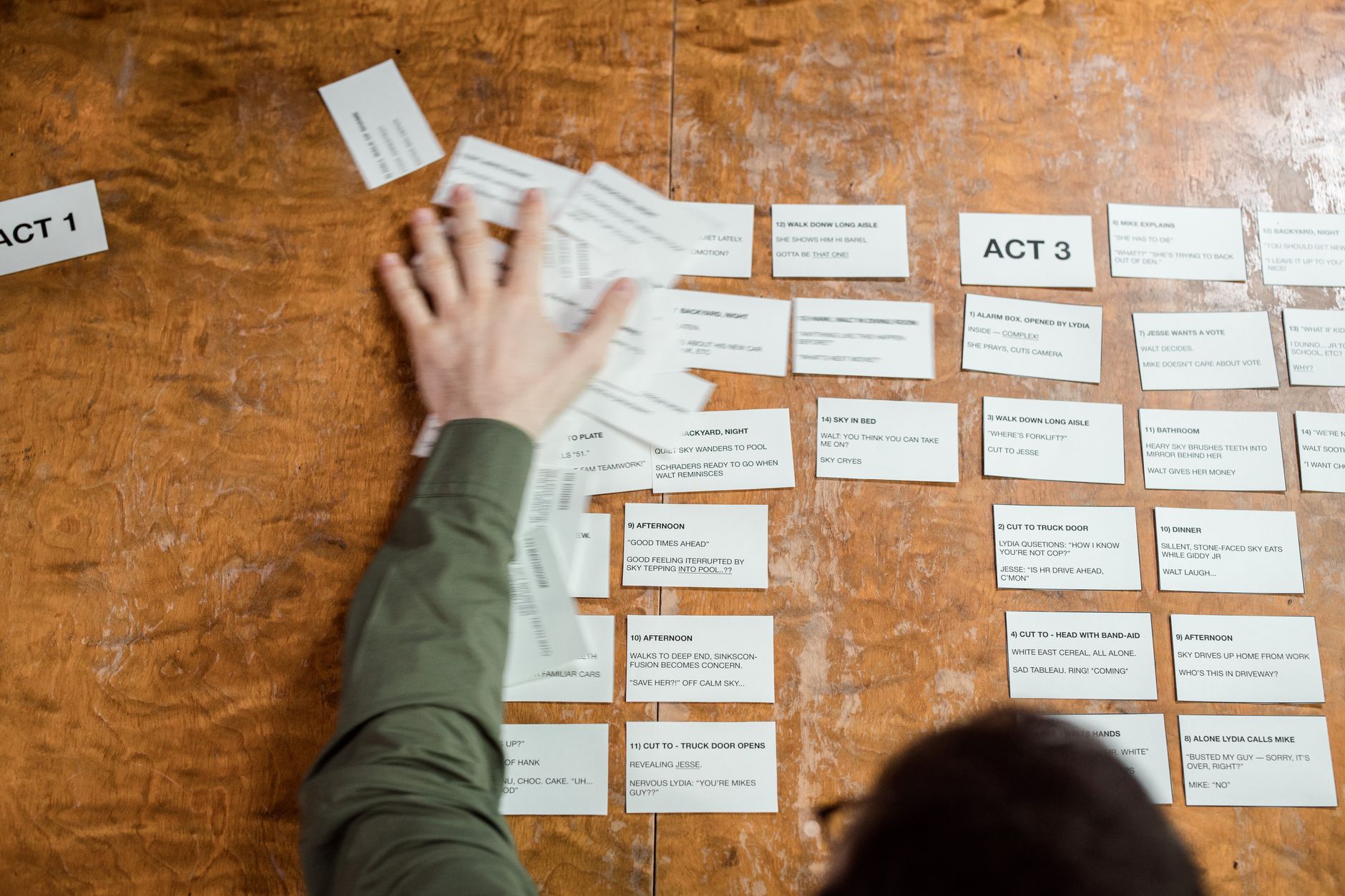
There is a deeper problem with wireframes in client-facing situations: they require literacy. The client needs to understand what a wireframe convention means, what a placeholder box represents, why that gray rectangle indicates a video clip. Designers and strategists develop that fluency over time, but decision-makers on the client side often do not have it. The storyboard format, by contrast, is culturally legible. Everyone who has watched a film or flipped through a graphic novel understands what a sequence of annotated frames means.
Loom’s approach benefits from the narration layer specifically because social pitches are rarely about a single image or post – they are about a content logic that plays out over time. A voice walkthrough of a campaign, converted into a synchronized storyboard, preserves that temporal dimension. You can see that post one sets up post three, that the story arc lands differently on week two than week one. No wireframe delivers that without a separate presentation script layered on top.
The shift is also practical from a revision standpoint. Wireframes exist in design software that not everyone on a team can access or edit. When a client wants to change the sequence of a campaign pitch, someone has to open Figma or sketch out new frames manually. With Loom’s Storyboard, updating the underlying video changes the storyboard, which keeps the revision process inside a tool the whole team already runs. That alone removes a meaningful bottleneck from the agency workflow.
Some creative directors are drawing a boundary here – using the AI Storyboard for early-stage pitch presentations but holding wireframes in reserve for the handoff to development or production. That split makes sense for campaigns that eventually need to be built out in a CMS or executed by a separate design team. But for the pitch itself, the stage where the client says yes or no, the wireframe is increasingly hard to justify when a narrated storyboard exists as an alternative.
The broader tension is whether AI-generated storyboards will eventually compress the pitch process so much that some of the strategic thinking gets skipped. Generating a storyboard fast is not the same as developing a campaign strategy carefully, and the speed of the tool can create an illusion of thoroughness. A client watching a polished storyboard walk through might feel that the strategy is further developed than it actually is.
Where This Leaves the Pitch Process
For smaller agencies and freelance social strategists, Loom’s AI Storyboard changes the pitch economics. Producing wireframes at a professional level requires either design skills or a designer’s time. A narrated storyboard requires a clear strategy and the ability to explain it out loud – a significantly lower production barrier that lets smaller operators compete on presentation quality without competing on design resources.
The question no one in the tool space has fully answered yet is who owns the storyboard after the pitch. If a client takes the Loom-generated storyboard to a different agency for execution, the originating team’s strategic thinking is now documented and transferable in a format that requires no translation. That is a real concern for agencies pitching to clients they have not yet won, and it is one that wireframes, for all their friction, never quite created.