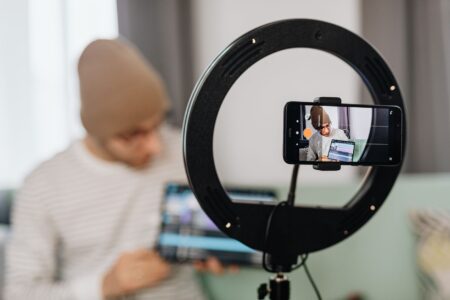



A swipe is a small act of commitment. Someone who watches a video can do nothing at all, letting it loop or scroll past with a thumb flick. Someone who moves through a photo carousel has to choose to see the next slide, and then the next. TikTok’s Photo Mode turns that choice into a signal, and small accounts are finding it works in their favor.
For a creator with a few hundred followers, a slideshow that earns deliberate taps may be worth more than a polished 15-second clip that earns a glance.

Why a swipe counts for more than a view
Video on TikTok is judged largely by whether people stay and finish. That is a hard test for a small account, because the first second has to compete with professional creators who spend hours on hooks, cuts and pacing. A carousel is judged differently. The viewer controls the pace, so a slide with a strong claim or a surprising image can hold attention without any editing trick. Each swipe also tells the platform the viewer is still interested, and it does so repeatedly across a single post. A five-slide carousel can produce five small votes of confidence where a short video produces one.
There is also less competition inside the format itself. Most creators still default to video, so photo posts enter the feed against a thinner field of similar content. TikTok has not published a formula for how it ranks carousels against clips, and anyone claiming exact numbers is guessing. But the practical pattern is easy to observe: a well-made carousel often gets surfaced to people outside the creator’s followers, while a mediocre video from the same account stays in a small circle.
Saves and shares matter here too. A carousel that lays out a checklist, a comparison or a step-by-step sequence gives people a reason to bookmark it, because the information stays still long enough to be useful. A video has to be rewatched to extract the same value. Saving is a stronger statement than liking, and it is much easier to earn with a format built for reference.

The production gap closes
Small accounts usually run on one person, one phone and very little spare time. Video demands filming, trimming, captioning and often a voiceover, and each step is a chance to produce something that feels amateur next to a studio-backed competitor. A carousel needs a handful of images, some clear text and a sound that fits. A solo creator can make three in the time one video takes.
That speed changes how an account learns. Posting more often means more tests of hooks, topics and slide counts, and faster feedback on what the audience wants. A creator who publishes a carousel daily for a month will know far more about their niche than one who agonizes over a weekly video.
How the format actually wins
The first slide does the work a video hook does, and it has to be built like a headline. A bold line of text over a clean image, promising a specific outcome or a contradiction, will outperform a pretty photo with no point of view. “Three mistakes that keep new accounts under 500 followers” gives the viewer a reason to swipe. A lifestyle shot with a vague caption gives them nothing. The best carousels treat slide one as a promise and every slide after it as a payment on that promise.
Sequencing matters as much as the opening. The slides in the middle are where viewers drop off, so each one should carry a distinct, self-contained idea rather than a continuation of a thought that needs the previous slide to make sense. A final slide that asks a direct question or points to the profile tends to do more than one that simply ends. Creators who treat the last slide as an afterthought give away the moment when a viewer is most likely to follow, comment or save.
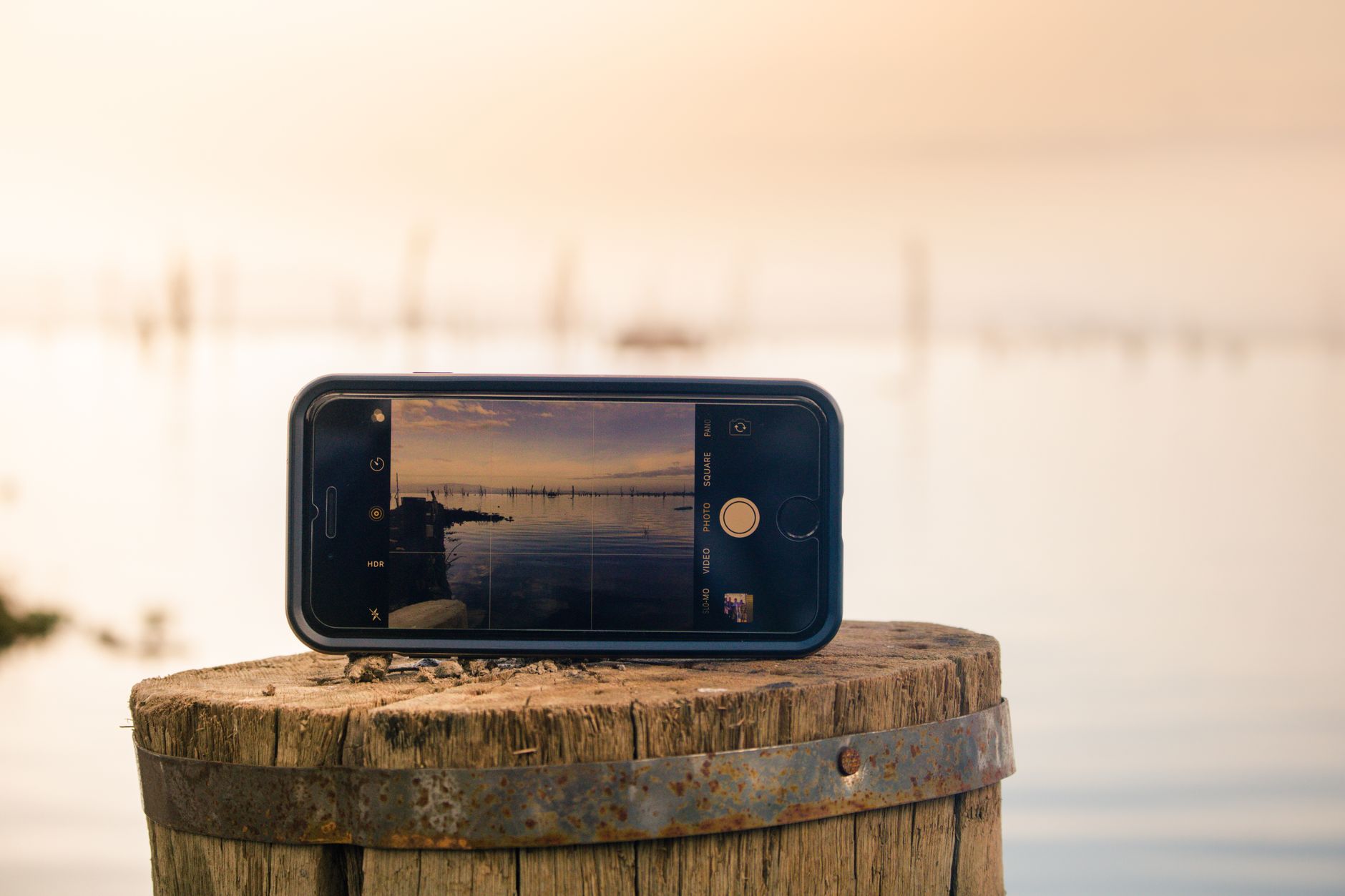
Text on the slides and in the caption does a second job, which is search. TikTok is increasingly used like a search engine, especially by younger users looking for recommendations, tutorials and product ideas. Words placed on the image and in the caption give the platform clear material to match against those queries, which is something a silent, fast-cut video often fails to provide. A carousel titled around the exact phrase someone would type can keep finding viewers long after the posting day, a lifespan that most short videos do not enjoy.
None of this makes video obsolete, and carousels have a ceiling. They are weaker at personality, humor that depends on timing, and anything that benefits from a face and a voice, and an account that never shows up on camera may struggle to build the kind of loyalty that turns followers into customers. The smarter question for a small account is not which format is better in general but which one gets it past the first thousand followers, and whether the formula that works at that size will survive once the audience starts expecting more.