

The Quiet Automation of a Job That Used to Require Real Skill
Short-form video editing was supposed to be one of those creative tasks that resisted automation. Clipping a long podcast or webinar into tight, punchy 60-second moments requires judgment – knowing where the energy peaks, where the speaker lands a quotable line, where the visual momentum dies. Opus Clip built a tool that makes that judgment call automatically, and a growing number of content teams are quietly retiring their dedicated short-form editors because of it.
The tool uses AI to scan long-form video content, identify high-retention moments, and generate clips with auto-reframing that keeps the speaker centered in the frame regardless of original camera placement. It handles aspect ratio conversion, caption generation, and clip scoring in one pass. What used to take a skilled editor two to three hours of focused work can now be processed in minutes.
That speed is not the story. The story is that the output is good enough to publish.
What Auto-Reframe Actually Does – And Why It Matters
Most creators shooting long-form video are not thinking about vertical format when they hit record. They frame for widescreen, position themselves slightly off-center, and let the camera roll. Converting that footage to 9:16 for Reels, Shorts, or TikTok traditionally meant either cropping awkwardly or paying an editor to manually track the subject and adjust framing on a clip-by-clip basis. Opus Clip’s Auto-Reframe eliminates that manual step entirely by using motion tracking and face detection to dynamically follow whoever is speaking throughout the clip.
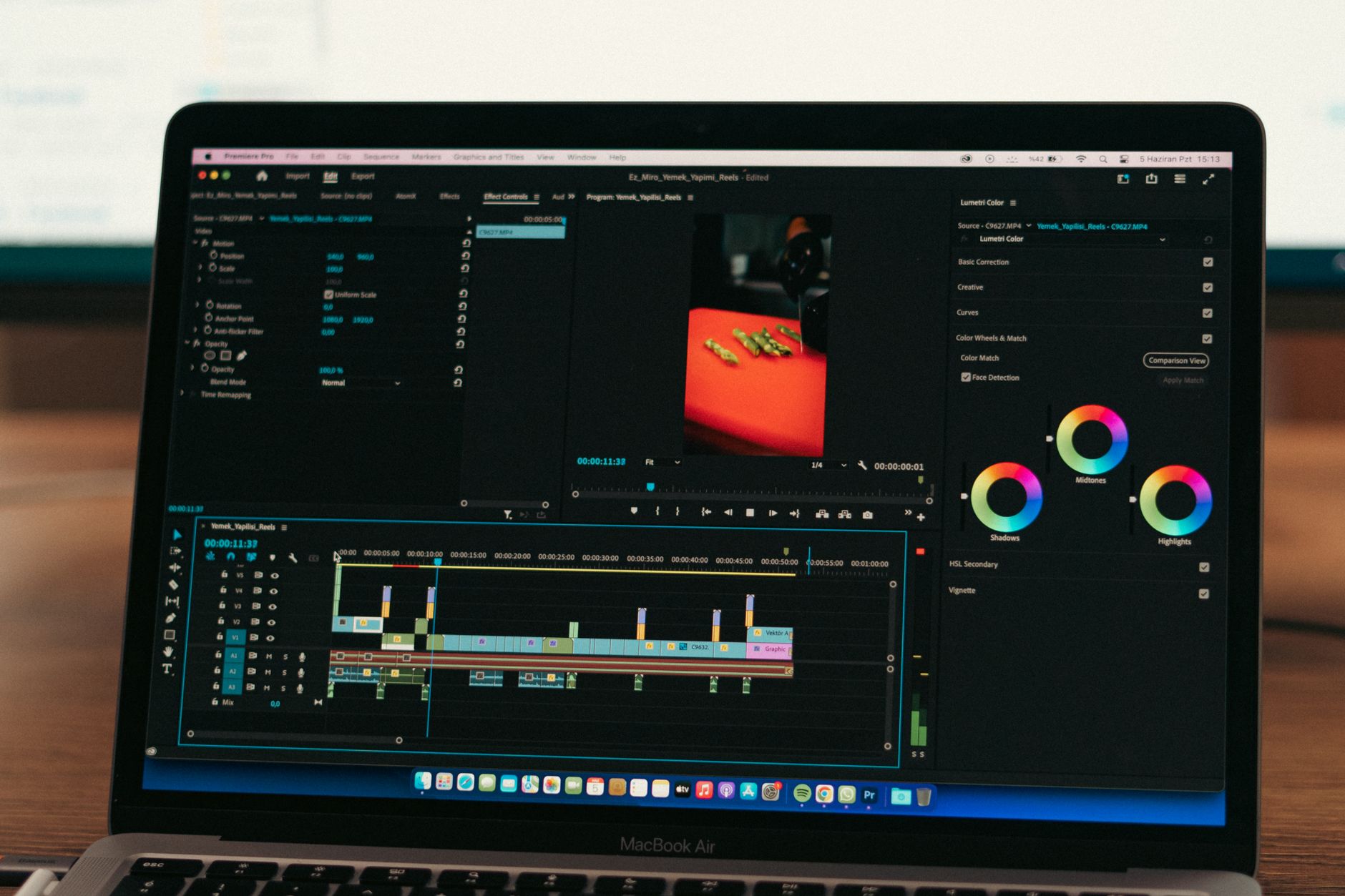
The practical result is that a creator can upload a 45-minute interview recorded in landscape, and within minutes receive a set of vertically framed clips where the speaker is consistently centered, captions are burned in, and each clip has been assigned a “virality score” based on speech patterns, pacing, and engagement signals. The platform also detects multiple speakers and switches reframing dynamically when the active voice changes – a feature that previously required manual keyframing inside editing software like Premiere Pro or DaVinci Resolve.
This is not about replacing creativity wholesale. A skilled editor still brings something to a highly produced brand campaign or a documentary-style series. But for the category of content that dominates most brand social calendars – talking head interviews, podcast repurposing, webinar highlights, event recaps – Opus Clip handles the mechanical layer that consumed most of the editing hours. The creative judgment that remains is largely about which clips to actually post, not how to technically produce them.

What This Means for Hiring, Workflow, and Budgets
The displacement is already happening, even if no one is making formal announcements about it. Freelance editors who specialized in short-form repurposing are reporting fewer inbound requests. Content agencies that built service packages around “long-form to short-form conversion” are facing pressure to justify rates that were priced for manual labor. Some are adapting by moving up the value chain – focusing on strategy, scripting, and distribution rather than raw clip production. Others are absorbing the tool directly into their workflow and using it to handle higher volume at the same headcount.
For individual creators and small teams, the budget math is particularly direct. Hiring a part-time editor for short-form repurposing typically runs several hundred dollars per month for modest output. Opus Clip’s paid plans sit significantly below that figure and produce a higher volume of clips per week than most part-time arrangements allow. The tool is not perfect – clip selection sometimes misses the best moments, and the virality scoring does not account for niche audience knowledge – but the floor quality is consistently high enough to reduce editing from a labor line item to a software subscription.
There is also a workflow integration angle worth tracking. Opus Clip connects to YouTube, Google Drive, and Zoom, meaning that for teams already distributing content across those platforms, the repurposing pipeline becomes nearly automatic. A webinar recorded in Zoom gets processed directly without a manual upload step. That frictionless connection to existing production infrastructure is what separates Opus Clip from earlier generation tools that required more hands-on file management.
The Limits That Keep Human Editors Relevant – For Now
Auto-Reframe is not flawless. The AI struggles with content where the most valuable moments are contextual rather than verbal – a panel discussion where a meaningful glance or a visual reaction carries as much weight as the spoken line. It also defaults to a particular pacing rhythm that works for most talking-head content but can feel generic across a high volume of clips from the same creator. Any team publishing multiple clips per week from the same source will eventually notice a sameness in structure that a human editor would naturally vary.
Caption accuracy on technical or industry-specific content is another consistent friction point. The speech-to-text layer performs well on general language but drops accuracy on jargon, names, or accented speech – requiring manual review passes that partially offset the time savings. Opus Clip does offer caption editing tools, but those corrections are still a human task.

The broader pattern is one that has played out across every layer of content production over the past two years: AI tools handling the repeatable, structured portions of a workflow with enough quality that the economics of manual labor stop making sense, while genuinely novel or contextually complex work remains a human domain. Opus Clip did not break that pattern – it confirmed it. The question for editors who built their freelance income around short-form repurposing is not whether this tool works, but whether the niche they occupied was ever as skill-protected as it felt.