

When AI Starts Speaking Your Language
TikTok’s Symphony AI suite has been adding features at a pace that’s hard to track, but one capability is drawing particular attention from marketers and content creators: Symphony AI Dubbing, a tool that automatically translates and re-voices video content across multiple languages without any human voice talent, translation agencies, or post-production teams involved. The output is fast, the cost is minimal, and the quality gap between AI-generated dubbing and professional localization is closing in ways that would have seemed unlikely even two years ago.
What makes this worth paying attention to is not just the technology itself, but where it sits inside TikTok’s creator ecosystem. Symphony AI Dubbing is built directly into TikTok’s native tools, which means creators and brands don’t need to export files, hire vendors, or manage timelines. The workflow that used to take days – sometimes weeks – now fits inside a single content management session. That’s not a minor efficiency gain. That’s a structural change in how global content gets made.
What Symphony AI Dubbing Actually Does
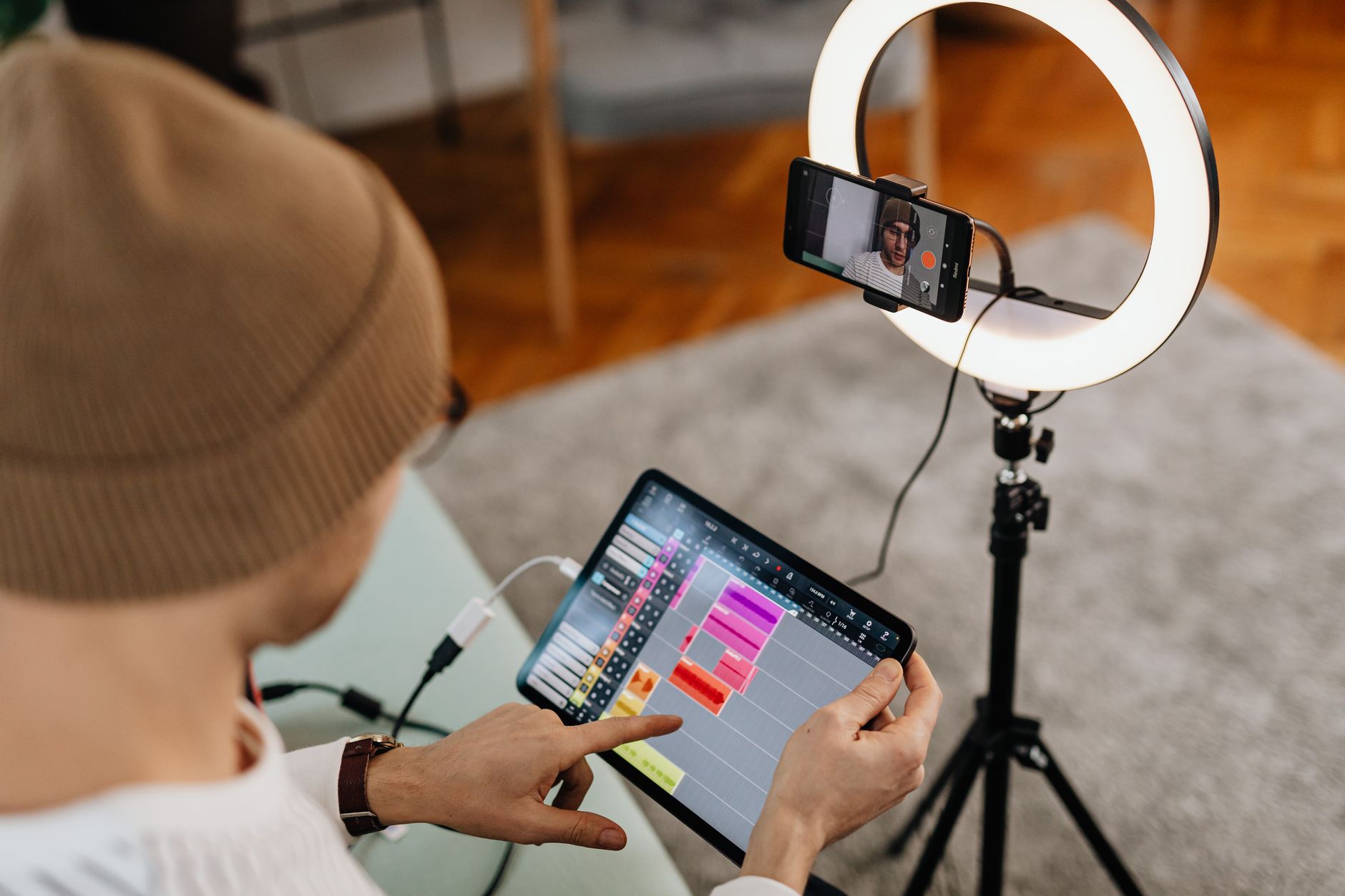
The feature works by analyzing the original video’s audio track, identifying speech, generating a translated script, and then synthesizing a new voice that matches the pacing and emotional tone of the source material. It currently supports a growing list of languages, with the list expanding as TikTok pushes harder into Southeast Asian, European, and Latin American markets. Creators can review the dubbed output, make manual adjustments to the script, and publish – all within the same interface where they edit captions, add music, and schedule posts.
The voice synthesis is where the product gets interesting and controversial in equal measure. Symphony uses a cloned or closely matched voice model rather than assigning a generic AI narrator, which means the dubbed version attempts to retain the creator’s vocal identity across languages. It’s imperfect – tonal nuances get flattened, cultural idioms sometimes survive translation poorly – but for short-form video content, where most clips run between 15 and 90 seconds, the margin for error is smaller and audiences are more forgiving of slight audio artifacts than they would be for a dubbed film or a corporate training module.

The Localization Industry Has Noticed
Professional localization is not a small industry. It spans translation, voice casting, audio engineering, lip-sync timing, cultural review, and quality assurance – a multi-step process that traditionally requires a coordinated team. Agencies that specialize in video localization have built entire service lines around social media content, particularly for brands running multilingual campaigns across global markets. Symphony AI Dubbing does not replace that full process for every use case. But it does replace it for many.
The brands most affected are mid-market companies and creator-economy players who previously had to choose between running localized campaigns and staying within budget. Hiring a localization agency for a single TikTok series – say, six episodes targeting Spanish-speaking audiences in three different countries – involves costs that most small and mid-size brands couldn’t justify. With Symphony, that calculation changes entirely. The content gets dubbed, posted, and tested in new markets without a purchase order being issued.
What this creates is a two-tier market. Enterprise brands with regulatory compliance requirements, brand safety standards, and cultural sensitivity reviews will likely keep their agency relationships. A luxury brand launching in Japan needs more than AI translation; it needs nuanced cultural context that a generative model doesn’t consistently provide. But the enormous middle layer of the market – direct-to-consumer brands, individual creators with large followings, mid-size e-commerce companies – is exactly the segment that localization agencies have been trying to grow into for years. That’s the segment now using Symphony instead.
There’s also a speed dynamic at play that agencies can’t easily counter. TikTok trends move fast. A sound, a format, or a challenge can peak within 48 hours and be irrelevant by the end of the week. Human localization timelines, even in their most efficient forms, don’t move at that speed. Symphony does. A creator who wants to post a trending video in Portuguese and Indonesian at the same time it goes up in English no longer has to choose between speed and reach.
Creator Incentives Are Baked Into the Product
TikTok is not offering Symphony AI Dubbing as a neutral utility. It’s tied directly to TikTok’s Creator Rewards Program and its broader strategy of making the platform more competitive for long-form content and global audience development. Creators who reach more markets generate more watch time, which feeds TikTok’s algorithmic engagement loops and justifies higher CPMs for advertisers. TikTok benefits when creators expand their language reach, so the company has strong internal reasons to keep improving the tool and reducing friction around its use.
This alignment of incentives is what makes Symphony different from standalone AI dubbing tools available in the market. Several third-party apps offer similar AI dubbing capabilities, and some are technically impressive. But they exist outside the platform’s distribution engine. Symphony is native, which means dubbed content is not just easier to create – it’s also immediately optimized for TikTok’s discovery system, eligible for regional For You Page placement, and connected to analytics that show creators exactly which language versions are performing in which markets.
The Quality Ceiling Is the Real Variable
The honest limitation of Symphony AI Dubbing right now is quality consistency. Short clips with clean audio and straightforward speech patterns dub well. Content that relies on wordplay, regional slang, comedic timing, or heavy background noise produces uneven results. A beauty tutorial translates more predictably than a stand-up set. A product review dubbed into French will generally hold up better than a monologue-style editorial video with cultural references embedded in every sentence.
TikTok’s own positioning acknowledges this implicitly. Symphony is promoted as a tool for scaling reach, not for producing broadcast-quality localization. The distinction matters because it signals where the product is positioned in the production hierarchy – above zero-effort single-market content, but below fully produced multilingual campaigns. For creators and brands operating in that middle range, the tool is already good enough for most purposes.
The version of Symphony AI Dubbing shipping now is not the ceiling. Voice cloning technology improves with more data, language models get better at handling idiomatic content, and TikTok has both the user base and the financial motivation to keep iterating. Localization agencies still have the quality argument on their side. The question worth sitting with is how long that argument holds when the AI’s output gets good enough that most viewers can’t tell the difference – and when most creators stop caring whether they can.