

The SEO Advantage Hidden Inside Riverside.fm’s Newest Feature
Riverside.fm just shipped video chapters – and for podcast and video creators who care about search visibility, the timing could not be more pointed. Descript has owned the creator editing space for years, but this single feature update is giving Riverside a real edge in a category Descript never fully addressed: structured, searchable video content.

What Video Chapters Actually Do for Search
Video chapters are timestamp-linked segments embedded directly into a video’s metadata. When a video is published to YouTube, chapters appear as named sections inside the progress bar. Google indexes those chapter titles as standalone content, which means a 45-minute interview can surface in search results for ten different keyword phrases instead of just one. That is not a small distinction – it is the difference between a piece of content working once and working continuously.
Riverside’s implementation generates chapter markers automatically during or after a recording session. The platform analyzes the transcript and identifies natural topic shifts, then assigns a title to each segment. Creators can edit those titles manually before export, giving them full control over the keyword language without having to timestamp everything by hand. That manual export step is where most creators lose hours every week, and Riverside is cutting it down to minutes.
The SEO logic here is straightforward. YouTube’s algorithm weights watch time, but Google’s broader video indexing rewards structured metadata. A video with properly named chapters signals to crawlers that the content is organized, topically varied, and easy to navigate. Chapters also increase the chances of a video appearing in Google’s video carousel results, where individual segments can be linked directly. A viewer searching for a specific subtopic inside a longer video can land exactly where they need to be – which drives higher session quality and lower bounce rates.
This is where Riverside is playing a different game than Descript. Descript is primarily a post-production tool: you record elsewhere or import a file, then edit. Riverside records, transcribes, and now structures the content all in one session. The chapter metadata is being built in real time, not retrofitted after the fact. For creators who are already recording on Riverside, there is no additional workflow step. The SEO optimization happens as a byproduct of the recording itself.
Where Descript Falls Short on This Specific Problem
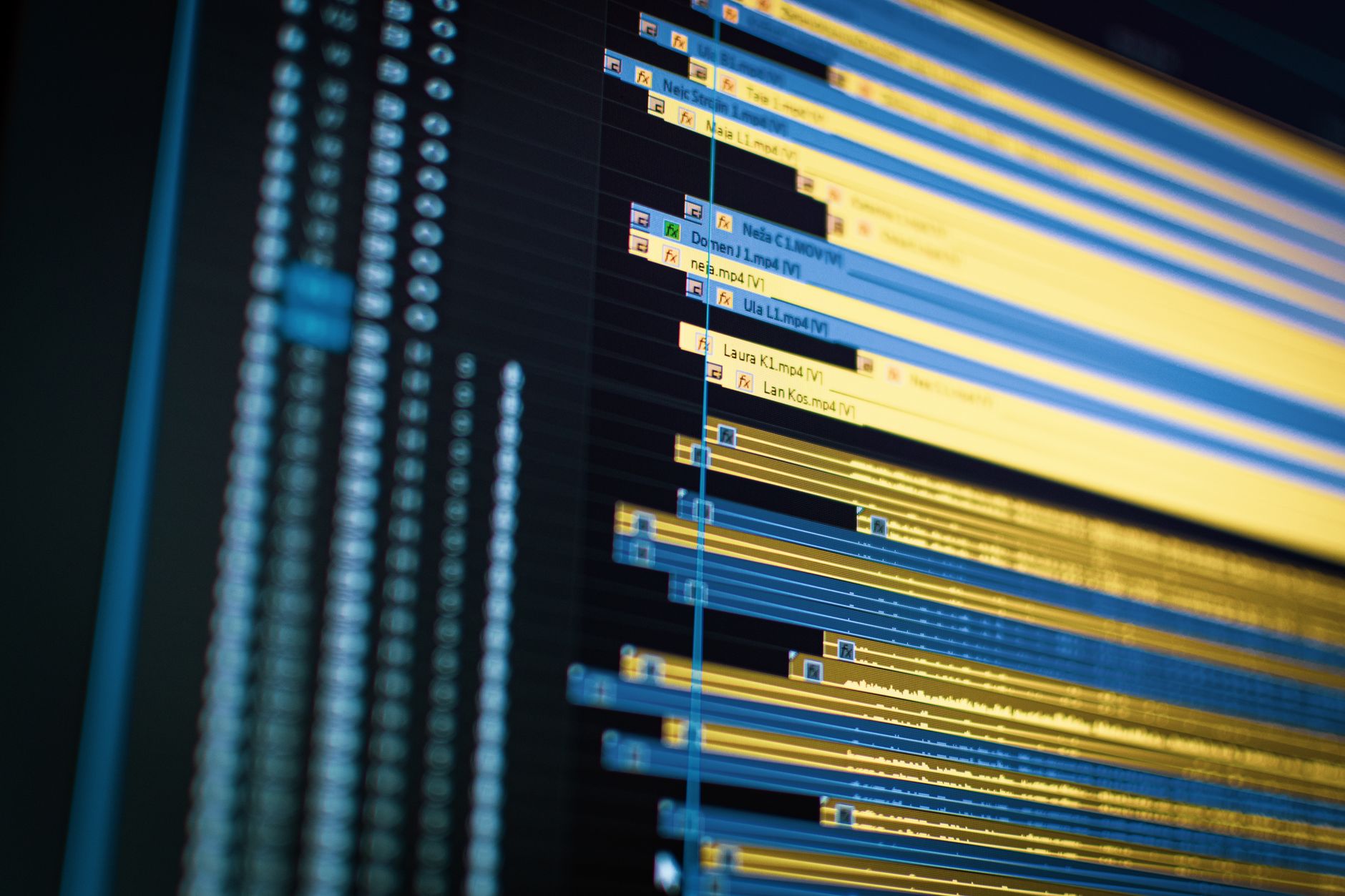
Descript is excellent at what it does. The text-based editing model is still the fastest way to clean up a raw recording, and features like Descript’s green screen capability show the platform expanding into territory well beyond basic audio cleanup. But chapter generation has never been a Descript priority. Users can manually add markers and export them, but there is no automated system that reads the transcript, identifies topic transitions, and suggests chapter titles with SEO intent baked in. That gap is not a bug – it reflects what Descript was built to solve, which is editing speed, not distribution strategy.
The distinction matters because most creators treat editing and publishing as sequential phases. Record, then edit, then optimize for search. Riverside is collapsing those phases. When chapter titles are generated during the recording session and tied directly to the transcript, the optimization layer is not something you do before uploading – it is already done. That changes how much cognitive load a creator carries from session to publish.
There is also a quality argument. Automatically generated chapters based on transcript analysis tend to reflect the actual language used in the conversation, which is often closer to how audiences search than manually written timestamps. A host who spends an hour discussing email marketing automation will have chapter titles pulled from that exact vocabulary. Keyword research still matters, and creators should review and refine the AI-generated titles – but the raw material is already closer to search-ready than a human writing timestamp notes from memory after a long session.
Descript’s strongest users are often video editors and audio engineers who have built precise workflows around its timeline tools. Those users are not switching platforms over chapter metadata. But the creator who is recording a weekly podcast or a YouTube interview series – someone who wants the recording process and the SEO prep to overlap as much as possible – has a real reason to evaluate Riverside more seriously now. The chapter feature is not complicated, but it fits that creator’s workflow in a way Descript currently does not.
Riverside also benefits from the fact that its recording infrastructure is already cloud-based with local track backup. Every participant records a high-quality local file, which is then synced to the cloud. The transcript is generated from those clean audio tracks, not from a compressed meeting recording. That matters for chapter accuracy – if the transcription is clean, the topic segmentation will be more reliable, and the resulting chapter titles will be more precise. A noisy or inaccurate transcript produces chapter titles that neither describe the content well nor match any reasonable search query.
What This Means for Creators Choosing Between the Two
No single feature should drive a platform switch, and Descript’s editing capabilities are still deeper than anything Riverside offers in post-production. But the question of which platform adds more value to your content’s long-term search performance is now less one-sided than it was six months ago. Riverside is building toward a model where the recording session produces a finished, optimized asset – not just a raw file that needs another tool to become publishable.

The creators who will feel this most immediately are those running episodic long-form content: interview podcasts, educational series, panel discussions. Those formats generate the most chapter-worthy material and also carry the highest SEO upside from structured metadata. For a 60-minute episode covering six distinct topics, six indexed chapter titles with clean keyword language can outperform a single video title indefinitely – and Riverside is now the only major recording platform generating those titles automatically, inside the same session where the content was made. Whether Descript responds with its own chapter generation tool is the more interesting question going forward.
Frequently Asked Questions
What are Riverside.fm’s video chapters and how do they work?
Riverside.fm analyzes your recording transcript and automatically identifies topic shifts, assigning chapter titles to each segment. Creators can edit those titles before export.
Does Descript have an automatic video chapters feature?
Descript allows manual chapter markers but does not currently offer automated chapter generation with SEO-focused title suggestions based on transcript analysis.