

LinkedIn’s Wire program has been operating below the radar for most marketers, but the platform’s push to keep video content entirely within its own ecosystem is starting to affect how B2B brands think about their production and distribution workflows.
What Wire Actually Is – and Why LinkedIn Wants It to Succeed
Wire is LinkedIn’s native live video and streaming infrastructure, built to let creators and brands broadcast directly on the platform without routing content through YouTube, Vimeo, or any third-party video host. It launched quietly, without the product fanfare typically reserved for major platform features, which partly explains why it’s still unfamiliar to a large portion of LinkedIn’s regular users. The rollout has been gradual and deliberate, targeting LinkedIn’s most active content creators first before widening availability.
The logic behind Wire is straightforward: every time a LinkedIn user clicks a YouTube link in a post, they leave the platform. LinkedIn’s algorithm has long penalized external links in posts, throttling their reach compared to native content. Wire takes that tension and attempts to resolve it by giving brands no reason to post a link at all. The video lives on LinkedIn, the viewer stays on LinkedIn, and the engagement signals feed directly into the platform’s content distribution system.
For LinkedIn specifically, video is the highest-engagement content format by a significant margin. Native video posts consistently outperform text, carousels, and external link posts across nearly every industry vertical on the platform. By building Wire into that dynamic, LinkedIn is positioning native streaming as the obvious default choice rather than an alternative to third-party hosting.
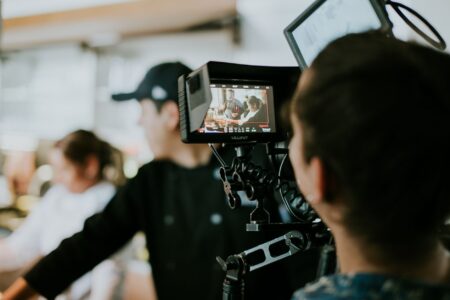
The program also connects creators and brands with production partners and equipment resources, which signals that LinkedIn isn’t just building a video player – it’s building a production ecosystem. That’s a meaningful distinction from simply adding a live-stream button to a feed.
How Wire Is Pulling Workflows Away from External Platforms
The practical shift for marketing teams is becoming visible in how they structure their video content calendars. Previously, a standard B2B video workflow looked like this: record or stream on an external platform, upload the finished file to YouTube or Vimeo for hosting, then share a link to LinkedIn. The reach was predictably limited by the algorithm’s preference for native content, but brands accepted that trade-off because external hosting offered better analytics dashboards, chapter markers, and searchability on Google.
Wire disrupts that trade-off calculation. When a live event or video series runs natively through Wire, the content gets full algorithmic distribution within LinkedIn’s feed – no link penalty, no redirecting viewers off the platform. For B2B marketers whose target audience lives primarily on LinkedIn rather than YouTube, the reach advantage of staying native now outweighs the feature advantages of external hosting. That math is shifting more content decisions toward Wire than most brands initially expected when they first heard about the program.
There’s also the question of audience behavior. LinkedIn users are increasingly watching video directly in the feed without clicking through to anything. Short-form native video in particular has seen strong organic reach on the platform, and Wire’s live and long-form content benefits from the same behavioral tendency. When a viewer can watch a 45-minute product keynote without leaving their LinkedIn feed, completion rates improve and the algorithm reads that engagement as a signal to distribute the content wider. External platforms cannot replicate that feedback loop inside LinkedIn’s system.
The retention of viewer data within LinkedIn’s ecosystem is another factor that brands are starting to weigh seriously. When video is hosted externally and linked from LinkedIn, the platform sees a click and nothing more. Wire gives brands visibility into watch time, drop-off points, and demographic data drawn directly from LinkedIn’s professional profile data – company size, job title, seniority level. For B2B marketers running account-based marketing programs, that layer of audience intelligence is genuinely difficult to replicate by stitching together data from an external video host and LinkedIn’s analytics separately.
Some creators have noted a friction point: Wire is not a fully self-serve product in the way that uploading a YouTube video is. Access has been invite-based or partnership-based for much of its rollout, which means smaller creators and individual consultants haven’t had the same access as larger brand accounts. That gap is narrowing as LinkedIn expands availability, but for now it creates a two-tier system where Wire’s benefits accrue disproportionately to established brand pages over individual voices – which cuts against LinkedIn’s stated goal of elevating creator content.
The Long-Term Pressure on Vimeo and YouTube’s B2B Positioning
Vimeo built a significant portion of its business model on serving professional and corporate video teams who needed clean, ad-free hosting with strong privacy controls. That niche was relatively safe from social platform competition because no major platform had offered a credible substitute for professional video hosting with proper access controls and custom branding. Wire doesn’t fully replace Vimeo’s feature set yet – it lacks password-protected videos, custom players, and the kind of clean embed experience that works across corporate intranets. But LinkedIn is clearly building toward a more complete hosting product, not just a live-stream feature.
YouTube’s position in B2B content distribution is slightly different. Many brands host on YouTube not because their audience prefers it, but because YouTube content surfaces in Google search results – a distribution advantage that Wire simply cannot match. That SEO pipeline is real and durable, and it means Wire will not replace YouTube for brands whose video strategy depends on organic search discovery. The more interesting competitive pressure is on brands that use YouTube primarily as a hosting locker for videos they then share exclusively to LinkedIn – that specific workflow is the one Wire is quietly making redundant, and it’s more common than it might appear.