


The Link-in-Bio Landscape Is Shifting
Linktree built the link-in-bio category almost single-handedly, turning a simple workaround for Instagram’s one-link rule into a product used by millions of creators and brands. For years, it was the default choice – so default that “drop your Linktree” became shorthand for sharing your links online. But default status has a shelf life, and brands managing serious Instagram and TikTok presences are quietly moving their link pages to Later, not because Linktree failed them, but because Later does something Linktree simply cannot.
Later’s Link in Bio is embedded directly inside a scheduling platform. That distinction sounds administrative until you realize what it means in practice: brands can schedule an Instagram post, tag products or URLs from inside the same workflow, and have those links automatically surface on a shoppable, visual link page – without switching tabs, copying URLs into a separate tool, or manually updating a third-party site every time they post. The efficiency argument alone is strong. But the design and analytics story is what’s actually closing the deal.
What Later Actually Offers That Linktree Does Not
Linktree’s interface is built around a vertical stack of buttons. You log in, add a link, give it a label, and that link appears on your page. It’s fast and accessible, which is exactly why it works well for individual creators who need something live in five minutes. For a brand managing a content calendar, running seasonal campaigns, and publishing daily posts across platforms, that button-stack model creates friction. Every post still requires a manual update to keep the link page current. When a brand posts about a new product drop, someone has to remember to add that link to Linktree before the traffic arrives.
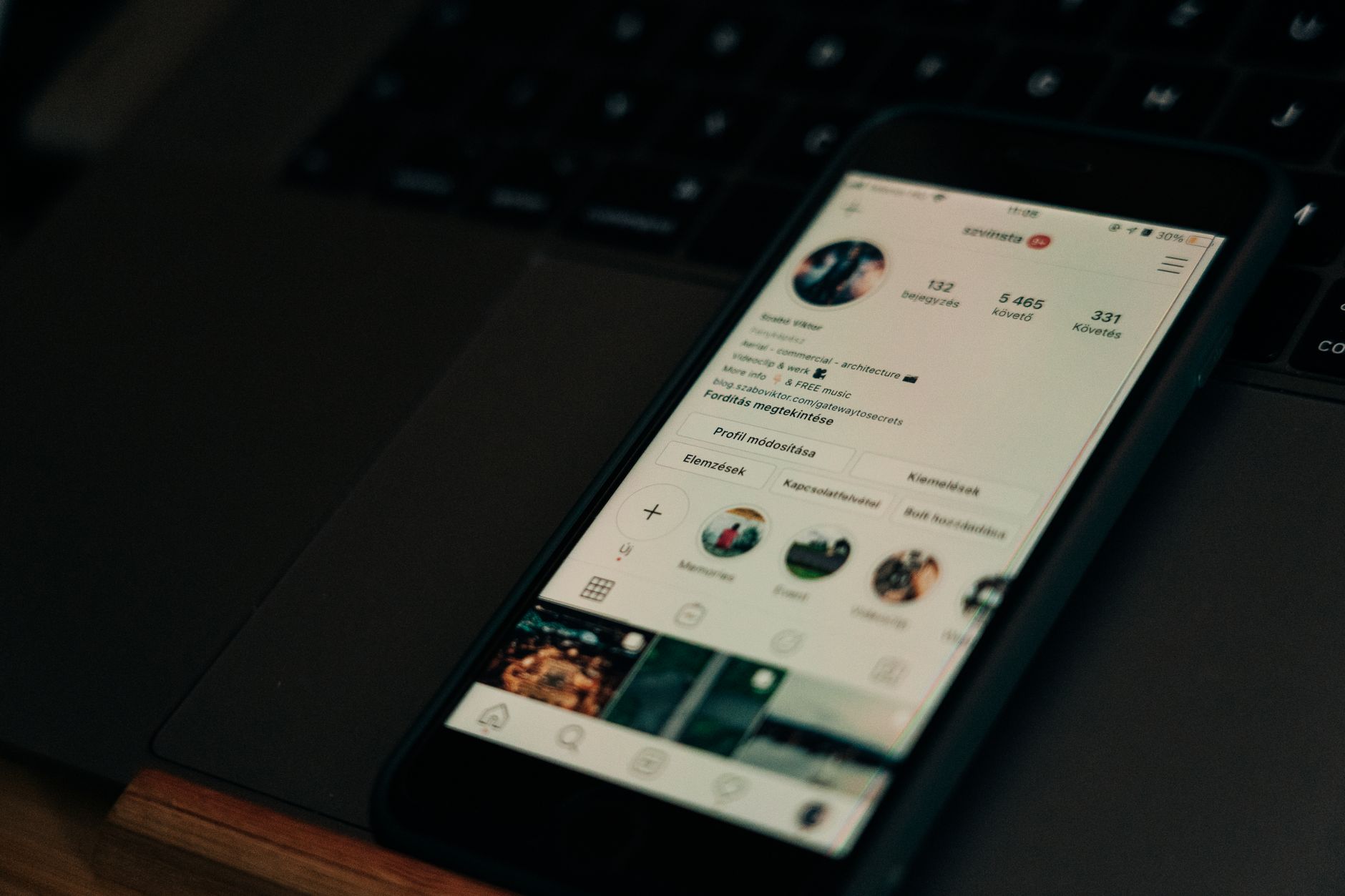
Later eliminates that step. Its Link in Bio syncs with your Instagram feed visually, generating a clickable grid that mirrors your actual posts. When a follower lands on your link page, they see your Instagram content laid out in a familiar grid format. They click the post they were already interested in, and they go directly to the relevant URL. No scrolling through a list of generic buttons. No hunting for the link that matches the post they just saw. The connection between content and destination is immediate, and that directness reduces the friction between interest and action.
The platform also supports scheduling links in advance. A brand planning a holiday campaign can pre-load URLs against scheduled posts weeks before launch. When the post goes live, the link is already waiting on the page – no last-minute manual update needed during the chaos of a campaign morning. For teams managing multiple accounts or running time-sensitive promotions, that kind of automation is worth a subscription cost on its own.
Later’s analytics within Link in Bio track clicks at the post level, not just overall page traffic. That means a brand can see which specific posts are driving the most link clicks, which products are getting the most interest from social referrals, and whether their audience is actually converting from Instagram to their site. Linktree’s free tier offers basic analytics, and its paid plans add more, but the data is fundamentally about your link page as a standalone object. Later’s data connects your link performance back to your actual content, which is the context that actually matters when you’re evaluating what to post next.
Why Brands Are Making the Switch Now
The timing isn’t accidental. Social commerce has accelerated significantly, and Instagram’s own shopping features have had a complicated rollout – features added, then quietly scaled back, then reintroduced in modified form. Brands that wanted to sell through Instagram without depending entirely on Instagram’s native commerce tools needed a stable middle layer. Later’s Link in Bio has positioned itself exactly there, as a reliable bridge between a brand’s Instagram presence and its actual store or landing pages.
There’s also a consolidation logic at play. Marketing teams are looking critically at their tool stacks and asking which subscriptions genuinely save time and which ones just exist because nobody canceled them. When a brand is already paying for Later to schedule posts, adding Linktree on top means paying for a separate tool that handles one function Later already covers. Eliminating that redundancy is an easy budget conversation to have, especially when the replacement version is more tightly integrated with the actual workflow.
Where Linktree Still Holds Ground
Linktree isn’t losing its entire user base, and it shouldn’t. For individual creators, musicians, freelancers, and anyone who wants a simple link page without subscribing to a scheduling platform, Linktree’s free tier remains genuinely useful. The setup is faster for someone who doesn’t need analytics depth or feed-syncing. If your goal is to put five links on a page and share that page everywhere, Linktree does that without requiring any additional context about how you schedule content.
Linktree has also expanded into features like commerce integrations, email capture, and app links – functionality that keeps it relevant for creators monetizing directly through their link page. The product has grown considerably beyond its original button-stack design, and for some use cases, particularly creators selling digital products or collecting newsletter signups directly on their link page, Linktree’s native commerce tools make more sense than routing everything through Later.
The brands leaving Linktree are, for the most part, brands that already live inside Later. The shift isn’t a referendum on Linktree’s quality – it’s a natural consequence of deeper platform integration becoming more valuable than standalone simplicity. A brand scheduling 20 posts a week in Later and manually maintaining a Linktree page is doing redundant work. At some point, the easier path wins.

What This Means for the Link-in-Bio Market
Later’s growth in this space puts pressure on standalone link-in-bio tools to justify their existence as independent products. Linktree has the brand recognition and the creator-focused feature set to stay relevant, but the mid-market – brands large enough to need scheduling tools but not large enough to have fully custom solutions – is exactly the segment Later is capturing. If those brands stop seeing link management as a separate function and start seeing it as a native part of their scheduling workflow, the standalone link-in-bio category gets squeezed from the sides: Later taking the integrated workflow customers, and custom-built landing pages taking the enterprise end.
Linktree’s best counter-argument is probably platform diversification. Later’s Link in Bio is most powerful for Instagram-focused brands, and its feed-sync feature is inherently tied to that visual grid format. Brands running significant presences on YouTube, LinkedIn, or TikTok without heavy Instagram investment may find Later’s link page less compelling, since the visual feed-sync loses its logic when Instagram isn’t the center of the strategy. Linktree, in that context, remains platform-neutral by design.
The question that actually defines the next few years in this space is whether scheduling platforms will absorb the link-in-bio function entirely, or whether link pages will get sophisticated enough to pull scheduling features into their own products. Later has bet on the former. Linktree’s continued investment in commerce and creator monetization features suggests it’s betting on the latter – that the link page itself becomes the product, not just the destination.