



The Quiet Audio Shift Happening Inside Instagram
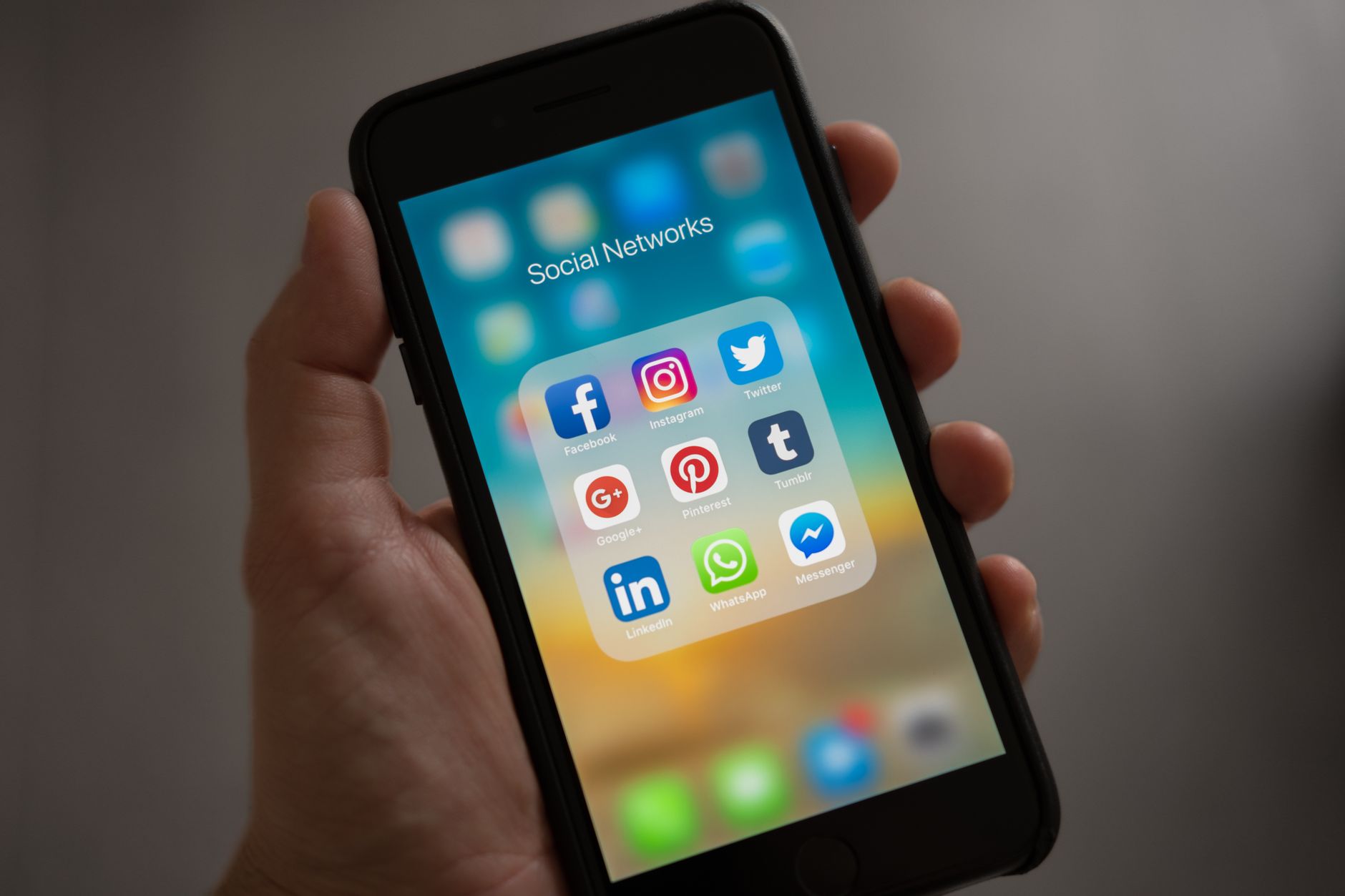
Somewhere between the algorithmically optimized feed and the endless Stories queue, Instagram has been quietly building something that looks a lot like radio. Close Friends Audio Rooms – the feature that lets creators host live, voice-only conversations with a curated inner circle – are drawing the kind of intimate engagement that polished, public-facing podcasts have been struggling to replicate for years. The format strips away video pressure, removes the need for a hosting platform, and keeps the conversation behind a velvet rope that makes listeners feel like insiders rather than subscribers.
What makes this interesting is not the technology itself, but who is using it and why. Independent creators who built small, loyal audiences around niche topics – personal finance, horror fiction, vintage sneakers, sourdough culture – are finding that a 40-minute Audio Room with 200 engaged Close Friends outperforms a carefully produced podcast episode that goes live on Spotify and gets 190 cold listens from strangers. The intimacy is doing what SEO and episode thumbnails never could.
The niche podcast is not dead. But it is being outflanked.
Why the Close Friends Layer Changes Everything
Instagram’s Close Friends list was originally a way to share Stories with a smaller audience – a workaround for creators who did not want every follower seeing behind-the-scenes content. Audio Rooms built on top of that infrastructure inherit something valuable: a pre-established trust layer. The people in a creator’s Close Friends list opted in deliberately. They are not algorithmic recommendations or casual followers who tapped a profile once. They are the core audience, the ones who DM back, who show up to virtual events, who buy things. Hosting an Audio Room for that group is essentially broadcasting to your most activated segment with zero friction.
Podcasts, by contrast, require a listener to leave their current app, open another one, subscribe, and then commit to an episode length they cannot preview with any real accuracy. The barrier is low in absolute terms, but it is still a barrier. Audio Rooms remove it entirely because the notification arrives in the same app where the listener already spends an hour a day. The transition from passive scroll to active listen takes one tap. That conversion path is almost unfair to competing formats.
There is also a production psychology at play. A podcast creator knows their episode will be searchable, shareable, and permanent. That awareness produces a specific kind of self-editing – over-scripted language, heavy editing passes, anxiety about audio quality. Audio Rooms are ephemeral by design. The creator talks like a person. The audience asks questions like a group chat. The result sounds less like content and more like a conversation, which is exactly what the niche podcast listener was always hoping a podcast would feel like.
What This Means for Niche Content Creators
For creators who built audiences around specific, low-volume topics – think rare plant care, obscure film criticism, regional food history – the distribution math on public podcasts was always brutal. Spotify’s algorithm does not favor ultra-niche content the way YouTube’s long tail once did. Growing a podcast audience from scratch requires consistent SEO work, guest cross-promotion, and a willingness to publish episodes into an apparent void for months. Many promising niche shows stall because the creator runs out of promotional energy before the audience finds critical mass.
Audio Rooms sidestep that entire problem. A creator with 800 Close Friends who trusts that list has, functionally, a ready-made audience for any conversation topic they want to host. The session does not need to grow. It does not need discoverability. It needs to be good enough that those 800 people talk about it outside the Room, which drives Close Friends requests from their own networks. Growth happens socially, not algorithmically. That is a fundamentally different distribution logic, and for niche creators, it may actually work better.
The more direct consequence is that some creators are quietly abandoning their RSS feeds. Not publicly – there is still brand equity in having a podcast – but their publishing cadence is slowing while their Audio Room schedule is filling in. The listening habits of their core audience are migrating to where the conversation is live, responsive, and exclusive. A creator who understands how Close Friends tools collapse traditional funnel stages will recognize this pattern immediately: the audience is not being funneled anywhere anymore. They are already at the destination.
The Tension That Has Not Been Resolved
Audio Rooms are not a clean replacement for podcasts, and framing them as one skips over a real structural problem. Podcasts are searchable, archivable, and discoverable by people who have never heard of a creator. A great episode on, say, the history of cassette tape culture can surface in search results three years after it publishes and bring in a listener from the other side of the world. Audio Rooms produce none of that. They live and die in the moment, visible only to people already inside the Close Friends gate. For creators who are still building audiences rather than consolidating them, that is a serious limitation.
There is also a monetization gap that has not closed. Podcast advertising, Patreon integrations, and dynamic ad insertion give creators predictable revenue tied to episode downloads. Audio Rooms generate engagement, but Instagram has not built a clean direct monetization layer for the format yet. Badges exist, but the economics are nowhere near what a mid-size podcast with a loyal niche audience can generate through targeted host-read ads. Creators who migrate too aggressively toward Audio Rooms may find they traded discoverable reach for intimacy without a sustainable income model attached.

The creators who will figure this out first are the ones treating Audio Rooms and podcasts as complementary formats rather than competitors – using the live session to deepen loyalty and test ideas, then packaging the most resonant conversations into edited episodes for public distribution. But the appetite for that kind of dual workflow is not universal, and for many small creators running lean operations, the easier path is simply to go where the audience already is, which right now is inside the Close Friends list, not the RSS feed.