



More than 31 million people start their day with a Starbucks mobile order. That’s roughly equivalent to ordering coffee for the entire population of Saudi Arabia – every single morning. While local businesses watch customers fumble with cash and wait in lines, Starbucks quietly revolutionized how people buy their daily essentials through strategic mobile ordering that now accounts for over a quarter of all transactions.
The coffee giant’s mobile success didn’t happen overnight. It began in 2009 with a simple app for finding nearby stores, evolved through years of customer behavior analysis, and transformed into a seamless ecosystem that makes ordering coffee as easy as sending a text. For local businesses struggling with customer retention and operational efficiency, Starbucks’ mobile strategy offers a blueprint that works regardless of industry or size.
The Psychology Behind Frictionless Ordering
Starbucks discovered something fundamental about modern consumer behavior: people will pay premium prices to eliminate small annoyances. The company’s mobile app doesn’t just process orders – it removes every possible friction point from the customer experience.
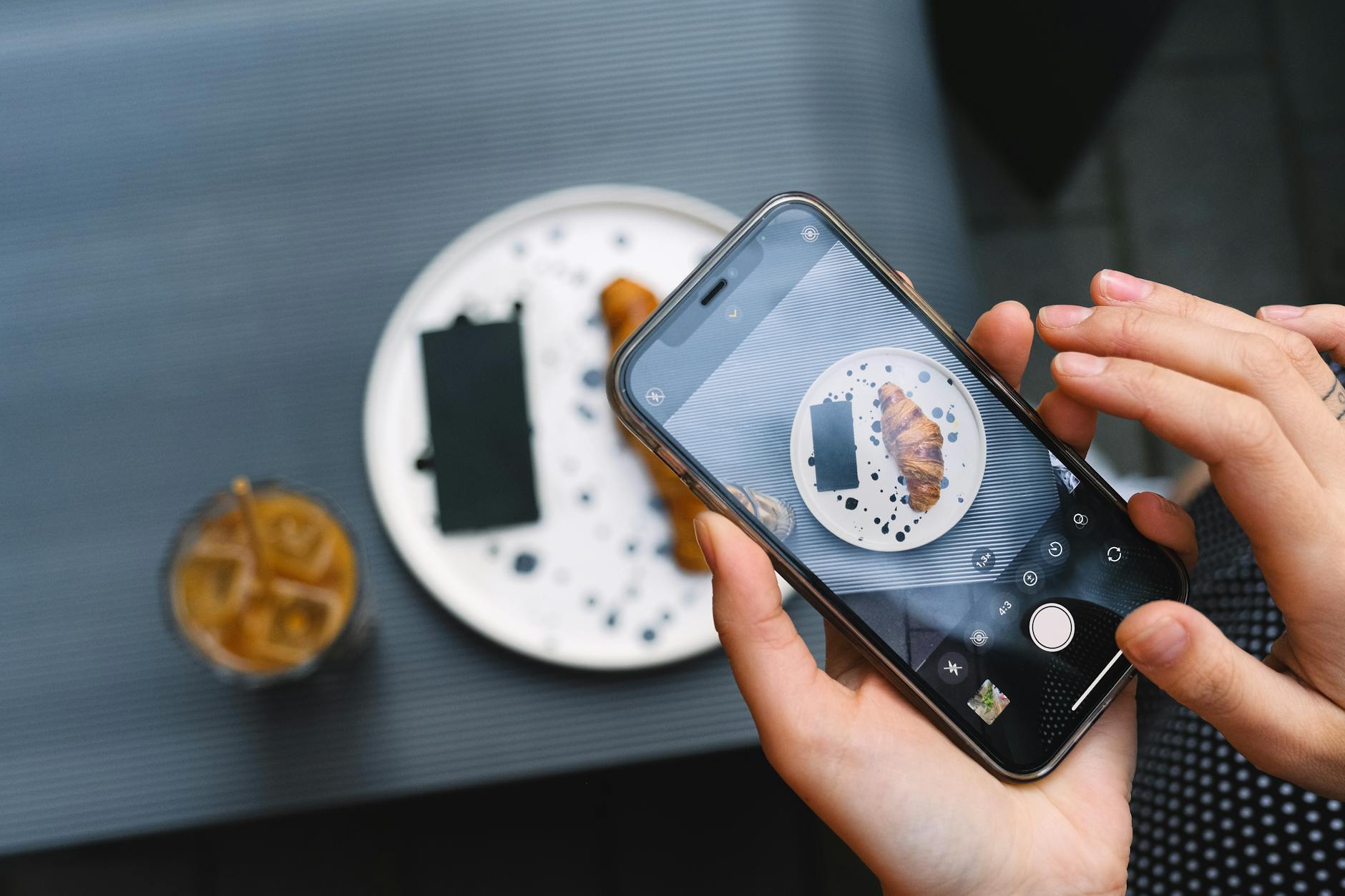
The app remembers your usual order, suggests modifications based on weather and time of day, and processes payment automatically through stored credentials. Customers can place orders while still in bed, during their commute, or between meetings. By the time they arrive at the store, their personalized drink waits on the pickup counter with their name clearly displayed.
Local businesses can apply this psychology without massive technology investments. A neighborhood bakery implemented a simple WhatsApp ordering system where regular customers text their usual order 30 minutes before arrival. A local auto repair shop created an online portal where customers schedule service appointments and receive real-time updates about their vehicle’s status. These solutions eliminate the same friction points as Starbucks’ sophisticated app, just through different channels.
The key insight isn’t about technology – it’s about understanding which parts of your customer experience create frustration. Starbucks identified that waiting in line, repeating complex orders, and fumbling for payment methods were the biggest pain points. Local businesses should conduct similar analysis of their own customer journey.
Data-Driven Personalization That Actually Works
Starbucks’ mobile app collects behavioral data that would make social media companies envious. The system tracks not just what customers order, but when they order, which locations they prefer, how weather affects their choices, and even which promotional offers drive repeat visits. This data powers personalized recommendations that feel helpful rather than intrusive.
The app suggests iced drinks on hot days, promotes seasonal items to customers who historically try new flavors, and sends push notifications when customers typically place their morning orders. More importantly, it uses purchase history to identify customers at risk of churning and targets them with specific retention offers.
Local businesses can implement similar personalization strategies with basic customer relationship management tools. A boutique clothing store tracks which customers prefer certain brands or styles, then sends personalized emails when new inventory arrives matching their preferences. A local restaurant uses reservation data to identify customers who haven’t visited in two months and offers them a personalized discount for their favorite dish.
The crucial element is making personalization feel organic rather than algorithmic. Starbucks succeeds because their recommendations align with genuine customer needs and preferences. When your neighborhood coffee shop remembers you prefer oat milk lattes and suggests trying their new seasonal flavor, it feels like thoughtful service rather than data manipulation.

Small businesses actually have advantages over corporations in personalization. Local owners often know their regular customers personally and can provide the kind of individualized attention that no algorithm can match. The goal is combining this human insight with systematic data collection to scale personalized service.
Building Loyalty Through Gamification and Rewards
The Starbucks Rewards program transformed customer loyalty from a simple punch card system into an engaging game. Members earn stars for every purchase, unlock new reward tiers, and receive surprise bonuses for trying new products. The program creates multiple reasons for customers to choose Starbucks over competitors, even when more convenient options exist nearby.
Stars expire if unused, creating urgency around redemption. Bonus challenges encourage customers to visit during typically slow periods or try menu items they wouldn’t normally order. The tiered membership structure makes customers feel valued as they progress from Green to Gold status, with each level unlocking additional perks and exclusivity.
Local businesses can adapt these gamification principles without complex point systems. A neighborhood bookstore created a simple stamp card where customers earn stamps not just for purchases, but for attending author events, referring friends, or sharing book reviews on social media. After collecting stamps, customers unlock rewards ranging from discounts to exclusive access to limited edition books.
The most successful local loyalty programs focus on community building rather than just transaction volume. Just as Spotify’s Wrapped campaign creates social sharing moments, local businesses can design rewards that encourage customers to become brand advocates.
A family-owned pizzeria implemented a “Pizza Champion” program where customers earn points for trying different menu items, bringing new people to the restaurant, and sharing photos of their meals online. The program transforms regular customers into active promoters who help attract new business through genuine enthusiasm rather than paid advertising.
Operational Efficiency That Scales Revenue
Starbucks’ mobile ordering system doesn’t just improve customer experience – it dramatically increases operational efficiency and revenue per square foot. Mobile orders allow staff to prepare drinks during slow periods, reduce wait times for walk-in customers, and increase overall transaction volume without expanding physical space.
The system also provides valuable demand forecasting data. Managers can see mobile orders coming in throughout the day and adjust staffing levels accordingly. During peak hours, the kitchen can start preparing popular items before customers even arrive, reducing overall service time for everyone.
Local businesses can achieve similar efficiency gains through strategic process improvements. A local sandwich shop installed an online ordering system that allows customers to place orders up to 24 hours in advance. This advance notice helps the owner plan ingredient purchasing more accurately, reduces food waste, and allows for better staff scheduling during busy lunch periods.
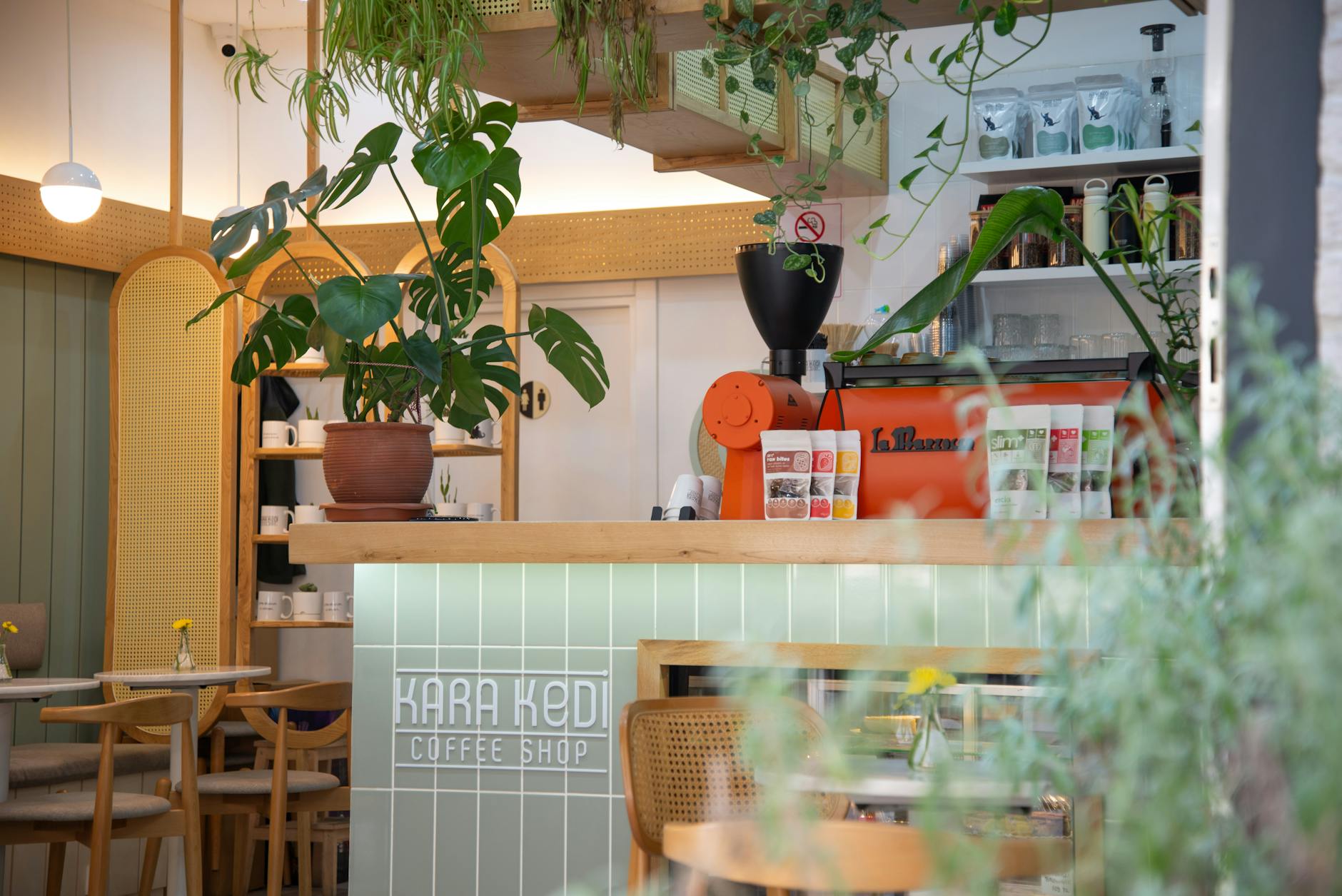
The key is identifying which parts of your operation could benefit from advance planning. A salon that allows online booking sees more consistent daily revenue because clients commit to appointments in advance. A local farm stand that takes pre-orders for seasonal produce can better estimate demand and reduce unsold inventory.
Modern consumers increasingly expect the convenience that mobile ordering provides. Local businesses that fail to adapt risk losing customers to competitors who offer more streamlined experiences. However, the technology doesn’t need to be complex – sometimes a simple online form or dedicated phone line for regular customers can provide similar benefits.
The Local Advantage in Mobile Strategy
While Starbucks dominates through scale and technology, local businesses possess advantages that corporations cannot replicate. Personal relationships, community connections, and flexibility allow small businesses to implement mobile strategies that feel more authentic and responsive to local needs.
The future belongs to businesses that combine digital convenience with human connection. Starbucks succeeds because they made ordering coffee effortless, but local businesses can succeed by making the entire customer experience more personal and community-focused. As consumers increasingly seek authentic experiences alongside digital convenience, small businesses that master both elements will thrive in an increasingly competitive marketplace.
Frequently Asked Questions
How can small businesses implement mobile ordering without expensive technology?
Small businesses can use simple solutions like WhatsApp ordering, online forms, or basic apps to remove friction from the customer experience without major technology investments.
What aspects of Starbucks’ loyalty program work best for local businesses?
Gamification elements like earning rewards for community engagement, referrals, and trying new products work well when adapted to local business contexts and community building goals.