


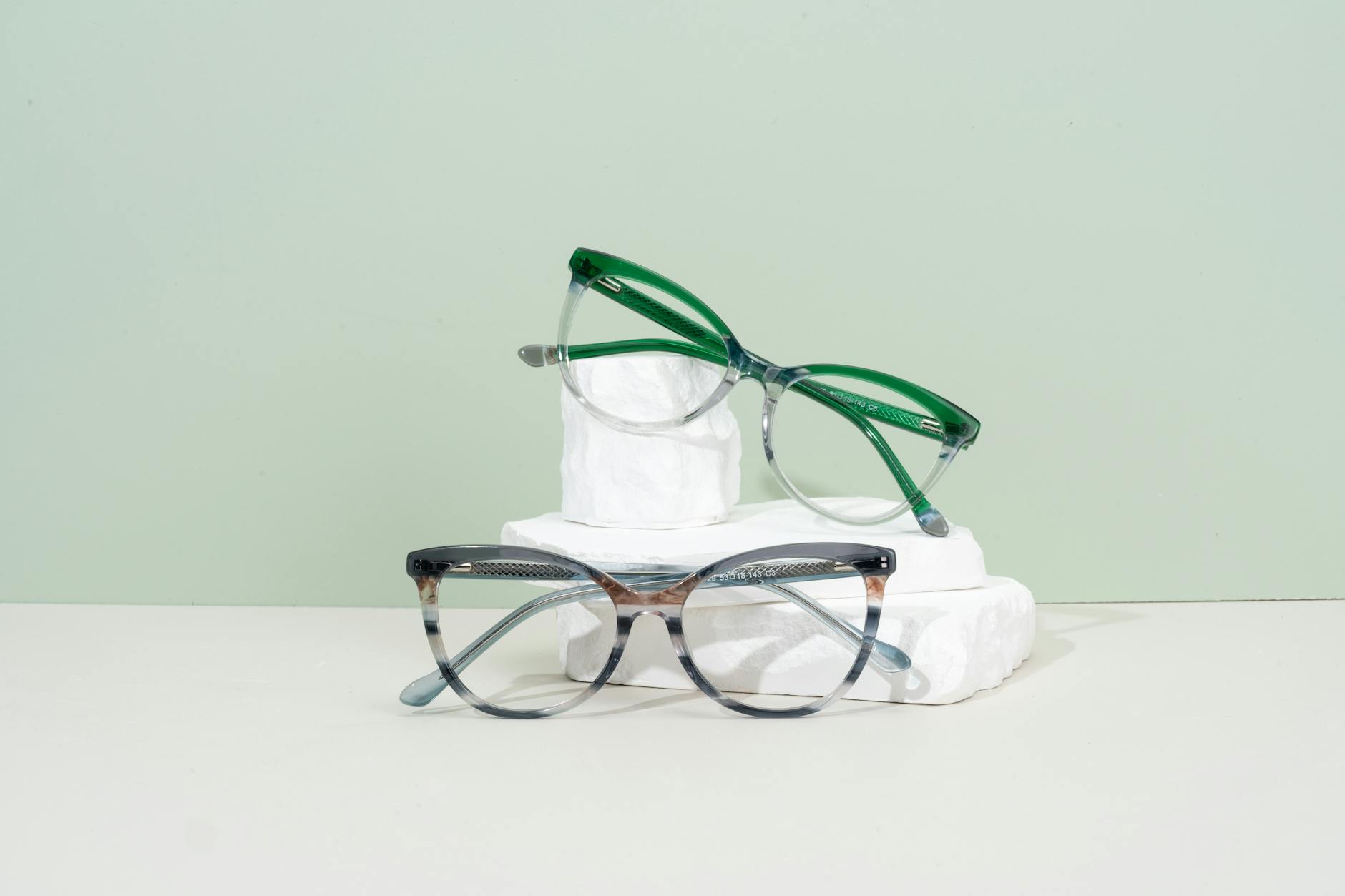
Warby Parker transformed eyewear shopping by mailing customers five frames to try at home for free. What started as a convenience feature became something far more powerful: a content creation machine that generates thousands of authentic social media posts daily.
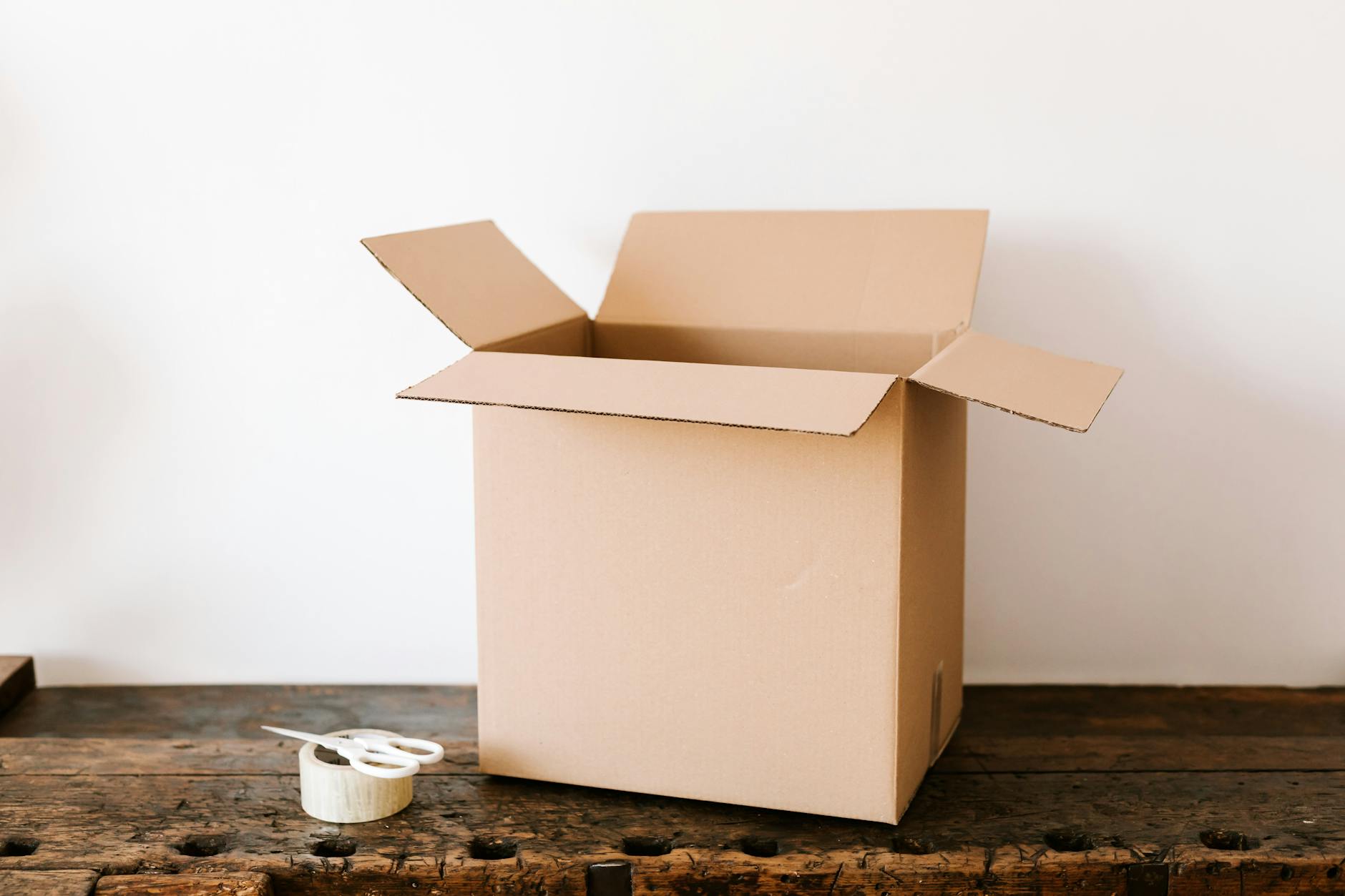
The direct-to-consumer eyewear brand launched in 2010 with a simple promise – try before you buy from the comfort of your couch. Customers select five frames online, receive them in a distinctive blue box, keep them for five days, then return everything with a prepaid shipping label. The program removes the biggest barrier to buying glasses online: uncertainty about fit and appearance.
But Warby Parker’s founders stumbled onto something bigger than customer convenience. They created a marketing system that turns every customer into a content creator, generating social proof at scale without spending a dollar on influencer partnerships.
The Psychology Behind Unboxing and Sharing
The Try-At-Home program works because it taps into fundamental human behaviors around decision-making and social validation. When customers receive their blue Warby Parker box, they’re not just trying on glasses – they’re participating in a branded experience designed for sharing.
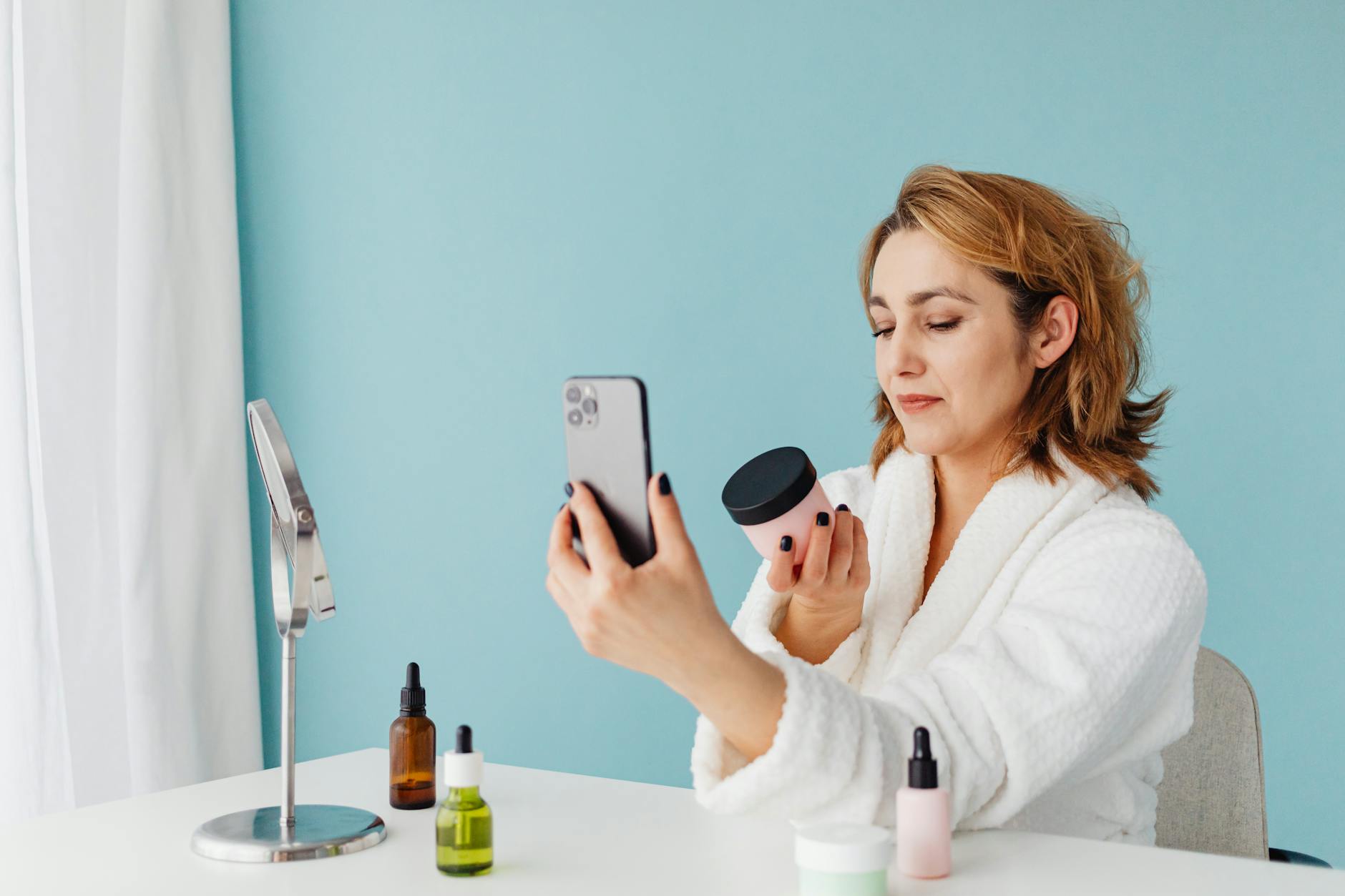
The five-frame selection creates natural comparison content. Customers photograph themselves in different styles, often creating mirror selfies or asking friends for opinions. These authentic moments generate thousands of posts across Instagram, TikTok, and Facebook, all featuring the distinctive Warby Parker frames and packaging.
Social media data shows the program generates more user-generated content than traditional advertising campaigns. Customers tag friends for opinions, create “help me choose” posts, and share their final selections. Each interaction amplifies brand visibility through genuine peer recommendations.
The program also leverages loss aversion psychology. Customers know they have limited time with the frames, creating urgency around the decision-making process. This scarcity mindset often leads to immediate social sharing as customers seek quick feedback from their networks.
How the Program Generates Authentic Social Proof
Traditional eyewear marketing relies on polished studio photography and celebrity endorsements. Warby Parker’s approach produces something more valuable: real people wearing their products in natural settings. This authentic social proof carries more influence than professional advertising.
The company tracks hashtags like #WarbylParkerTryOn and #WarbyHome to monitor organic content creation. Customers naturally use these tags when sharing their try-on experiences, creating searchable archives of real-world product demonstrations. The brand regularly features this user-generated content on their own social channels, amplifying authentic customer voices.
Friends and family members often appear in try-on content, expanding the program’s reach beyond the original customer. When someone posts “Which frames should I choose?” their entire network sees multiple Warby Parker styles in action. These peer-to-peer recommendations carry significantly more weight than traditional advertising.
The program generates content across demographics and lifestyle segments. Professional headshots with Warby Parker frames appear alongside casual weekend selfies, showing the versatility of different styles. This diverse content portfolio helps the brand reach varied customer segments through authentic representation.
The Competitive Advantage of Customer-Generated Content
While competitors invest heavily in traditional advertising and influencer partnerships, Warby Parker built a system where customers create marketing content organically. This approach provides several competitive advantages beyond cost savings.
Customer-generated content addresses the primary objection to buying glasses online: “How will they look on me?” When potential customers see real people with similar face shapes or styles wearing specific frames, it reduces purchase anxiety. This social proof directly impacts conversion rates and customer acquisition costs.
The program also generates valuable market research data. Customer try-on posts reveal which styles generate the most positive reactions, which combinations people consider, and how different demographics respond to various frames. This real-time feedback helps inform product development and inventory decisions.
Fashion brands increasingly use data-driven approaches for targeted campaigns, as seen in how fashion brands leverage Spotify Wrapped data for personalized marketing. Warby Parker’s try-on program creates similar customer insight opportunities through organic social media behavior.
The content authenticity also builds long-term brand trust. Customers see real results from real people, not airbrushed models or paid influencers. This transparency aligns with consumer preferences for authentic brand interactions over traditional advertising methods.
Lessons for Other Direct-to-Consumer Brands
Warby Parker’s success with customer-generated content offers valuable insights for other direct-to-consumer brands looking to build authentic marketing systems. The key lies in creating experiences that naturally encourage sharing while solving genuine customer problems.
The try-at-home model works because it removes friction from the purchase process while creating shareable moments. Other brands can apply this principle by identifying their customers’ biggest hesitations and designing solutions that encourage social engagement. Beauty brands offer virtual try-on filters, furniture companies provide augmented reality room visualization, and clothing brands create styling consultation services.
The program’s success also demonstrates the power of branded packaging in social media marketing. Warby Parker’s distinctive blue boxes appear in thousands of customer posts, creating consistent brand recognition across platforms. The unboxing experience itself becomes part of the marketing message.
Timing plays a crucial role in the program’s viral potential. The five-day window creates natural urgency while providing enough time for customers to share content and gather feedback. This balanced approach maximizes both customer satisfaction and social media engagement.
The Try-At-Home program continues evolving as social media platforms introduce new features and formats. Warby Parker has adapted their approach for TikTok’s short-form video content, Instagram’s Shopping features, and emerging platforms where their customers gather.
As more brands recognize the value of authentic customer content over traditional advertising, Warby Parker’s model provides a blueprint for building sustainable, customer-driven marketing systems. The program proves that solving real customer problems can simultaneously create powerful marketing assets, generating both satisfaction and social proof at scale.
Frequently Asked Questions
How does Warby Parker’s Try-At-Home program work?
Customers select five frames online, receive them free for five days, then return with prepaid shipping while keeping their favorite pair.
Why do customers share their Warby Parker try-on experiences?
The program creates natural comparison moments where customers seek social validation and feedback from friends before making purchase decisions.