

The Silent Swap Happening Inside Podcast Ad Breaks
Podcast listeners are noticing something slightly off about their favorite host’s mid-roll reads lately – and it’s not bad audio equipment. A growing number of podcast producers are quietly feeding ElevenLabs’ voice cloning technology into their ad production workflow, generating host-read-style ads without the host ever picking up a microphone.
How ElevenLabs Fits Into the Podcast Monetization Stack
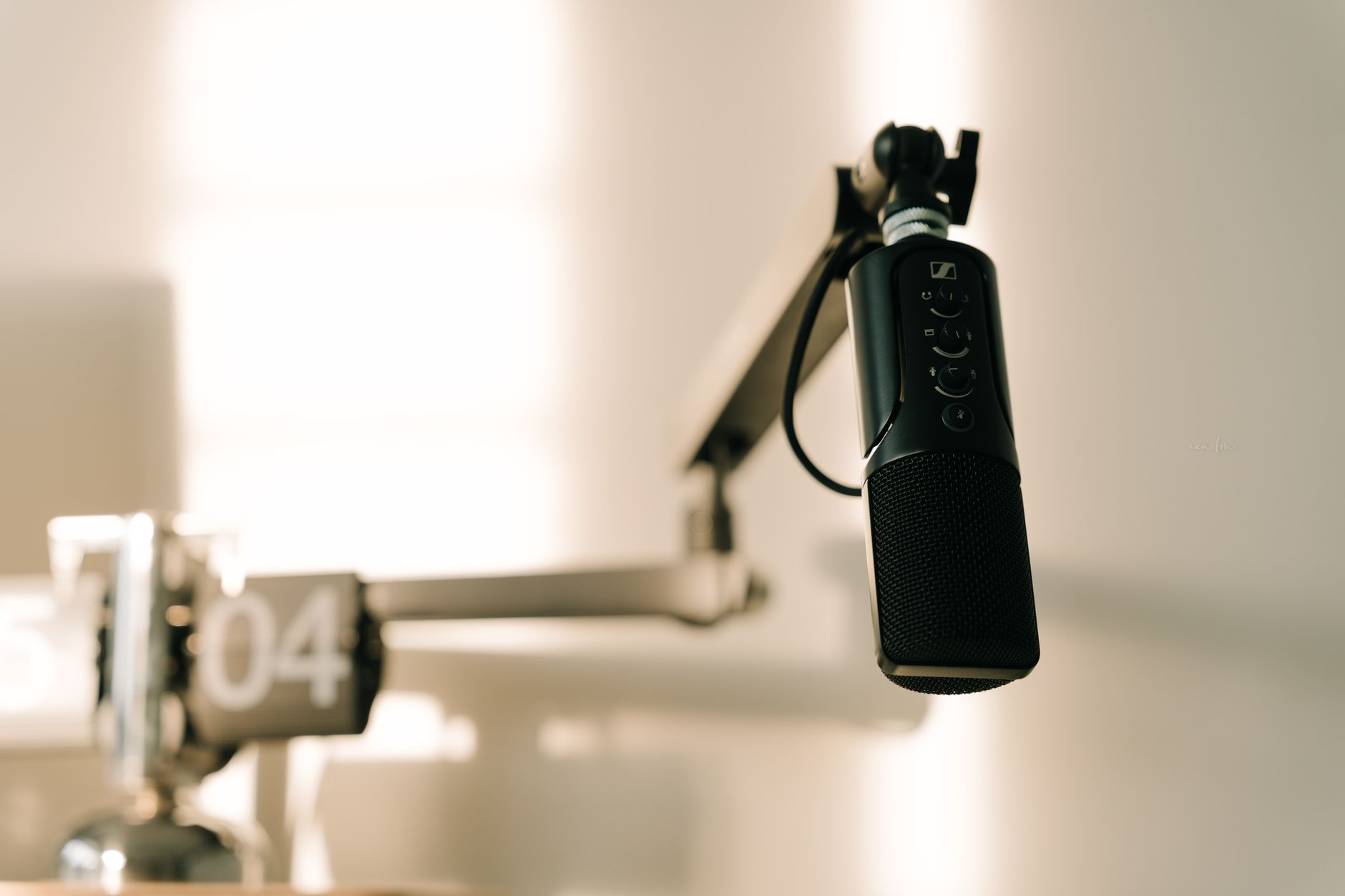
ElevenLabs built its reputation on voice synthesis quality that sits closer to human speech than anything the text-to-speech category had previously offered. The platform allows users to clone a voice from a short audio sample, then generate new speech from any written script. For podcast advertising, this creates an obvious shortcut: record a host’s voice once, upload it, and produce unlimited ad reads on demand without scheduling studio time.
The economics are difficult to argue with. A traditional host-read ad requires scheduling the host, writing a script they’ll actually deliver convincingly, recording multiple takes, editing, and then re-recording if the advertiser requests changes. The whole process can take days per placement. With a cloned voice, that same workflow compresses into minutes. The advertiser submits a script, the producer runs it through ElevenLabs, and a finished audio file comes out the other end – often indistinguishable from a real read to the casual listener.
This matters enormously for mid-size and smaller podcasts that run programmatic advertising or work with ad networks. Those shows don’t have the leverage to demand pre-recorded reads from hosts on a per-campaign basis. Many have historically used generic announcer-voice ads that perform noticeably worse than host-read content. Voice cloning gives smaller operations the ability to produce host-style reads at scale without the operational overhead.
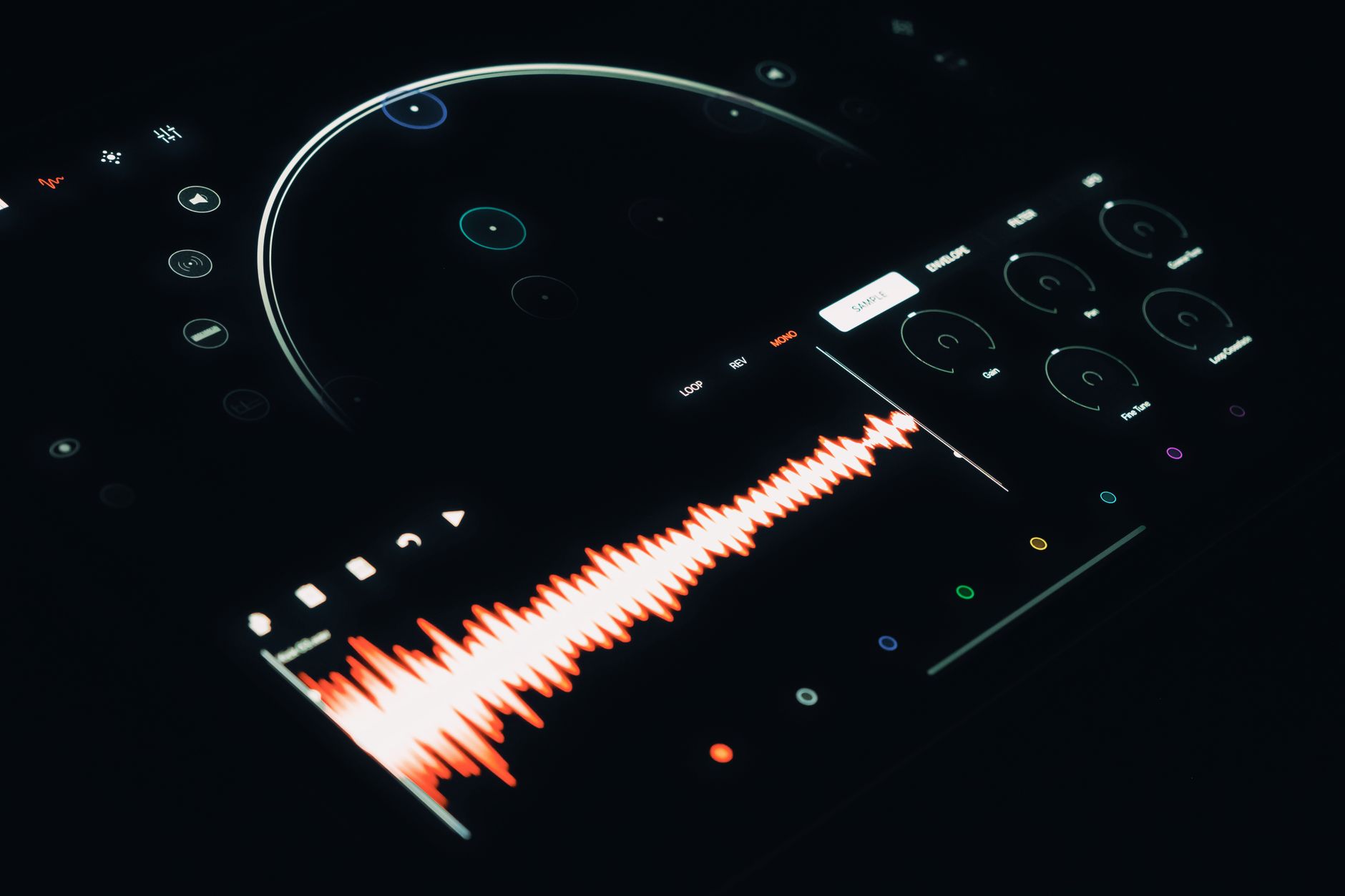
The technical quality ElevenLabs delivers has improved to a point where the old tells – slight robotic cadence, unnatural pauses, mispronounced product names – are mostly gone. The platform handles tonal variation reasonably well, and producers can fine-tune delivery style, pacing, and emphasis through the interface. The result is audio that carries the warmth and informality that makes host-read podcast ads so effective in the first place.
The Ethical Gap Nobody Is Addressing Publicly
The practice raises questions that the podcast industry has been slow to confront directly. When a listener hears what sounds like their trusted host recommending a product, the implicit assumption is that the host recorded that recommendation. Voice-cloned ads operate entirely on that assumption without honoring it. The host’s credibility is being monetized without their active participation in every transaction.
Some hosts who have explicitly licensed their voice to ad networks have signed agreements covering exactly this use case. They receive a fee for the voice model itself, rather than per-read rates, and the network handles production volume. This arrangement works cleanly when the host understands what they’ve agreed to. The murkier territory involves shows where producers or network partners have generated voice models without full host understanding of how broadly the model would be used.
The Federal Trade Commission’s existing guidelines on endorsements require that testimonials reflect the genuine opinions of the endorser. A voice-cloned ad read generated from a script the host never reviewed arguably puts that standard under pressure. The host’s voice is being used to convey enthusiasm for a product they may never have evaluated. Legal frameworks haven’t caught up to this specific scenario, and there’s no industry-wide disclosure standard requiring podcasts to flag AI-generated ad content.
Advertisers sitting on the other side of these deals are largely indifferent to the production method as long as the audio quality is there and the attribution numbers hold. For direct-response campaigns measured on promo code redemptions or trackable links, the only metric that matters is whether the ad converts. Early evidence from shows that have made the switch suggests cloned host reads perform comparably to live reads, at least in the short term before listener trust erodes – if it erodes at all.
What makes this genuinely complicated is that listeners generally cannot tell the difference. Unlike AI-generated images, which carry visible artifacts that critics have trained audiences to spot, AI audio has no equivalent forensic tell at normal listening quality. A curious listener has no practical tool for verifying whether what they’re hearing is a live read or a synthesis. That asymmetry of information is the core ethical problem, and no one in the ad-tech stack has a financial incentive to fix it voluntarily.
Where This Leaves Independent Podcast Hosts
For independent hosts, the shift creates a strange kind of leverage problem. Their voice is the asset, but the technology now makes it possible for that asset to be productized at a scale they didn’t anticipate when they started recording in their closets. A host with a few hundred thousand listeners suddenly has a voice model that could theoretically generate thousands of ad reads per month. Whether they see revenue from that model or not depends entirely on the contract language in their network agreement – language most indie hosts never scrutinized carefully enough.
The smarter independent operators are getting ahead of this by explicitly negotiating voice licensing terms before signing with ad networks, or by retaining control of any voice model trained on their audio. Some are going further, using ElevenLabs directly to produce their own cloned reads, keeping the production fee in-house and delivering finished audio to advertisers themselves. That approach at least keeps the host in the loop on every script that gets their voice attached to it – though the question of whether listeners deserve to know still hangs unanswered.