



When Background Noise Removal Gets Personal
Krisp built its reputation on a single, elegant promise: remove background noise from any audio, anywhere, on any app. For remote workers, podcasters, and streamers, it became the default tool – a standalone layer sitting between the microphone and the software, quietly doing its job. The setup worked well enough that most creators never questioned whether something better might exist inside the tools they already used every day.
Descript’s Room Tone feature is changing that calculation.
Unlike Krisp, which operates as a separate noise-cancellation layer before recording even begins, Room Tone works after the fact – analyzing the ambient noise present in a recorded audio file and generating a seamless audio bed that fills gaps where silence would otherwise feel jarring or edited. It is not noise cancellation in the traditional sense. It is audio repair and consistency, which turns out to be a more pressing problem for most content creators than real-time noise removal ever was.
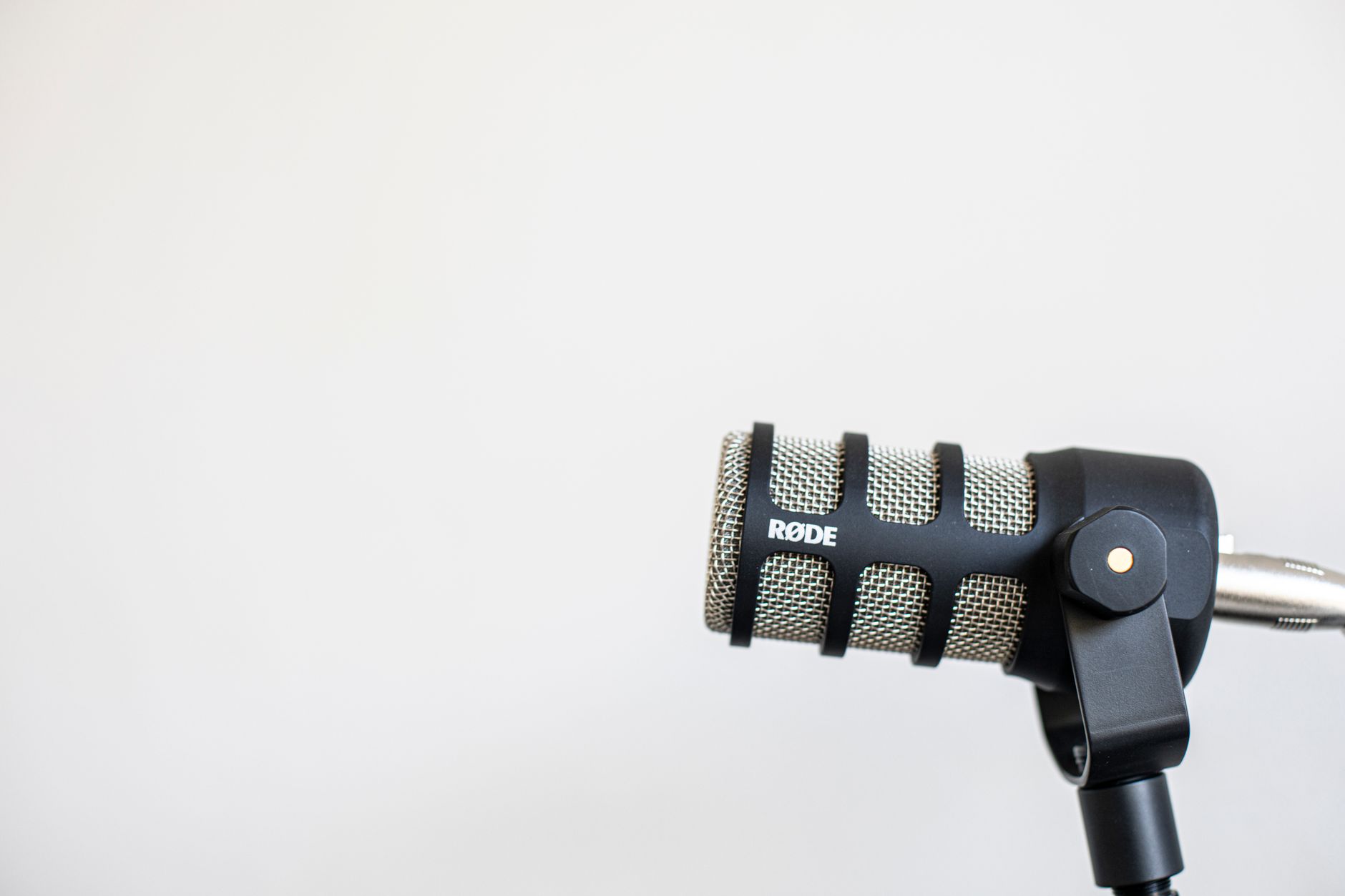
What Room Tone Actually Does
Every recording space has a sonic fingerprint – the faint hum of an HVAC system, the subtle resonance of a small room, the near-silence of a treated studio. When editors cut words, remove filler sounds, or splice together multiple takes, that fingerprint breaks. The listener may not consciously identify the problem, but they feel it: a choppiness, a sense that something was removed, a sterility that makes the audio feel processed rather than natural. Professional editors have historically solved this by manually capturing room tone during recording sessions – a few seconds of ambient silence at the start or end of a take, preserved specifically for patch work in post.
Descript’s Room Tone feature automates that entire workflow. The tool analyzes the existing audio in the project, identifies the ambient noise profile, and generates matching room tone that can be inserted wherever edits create silence. The result is a recording that sounds continuous even when it has been cut dozens of times. For podcast editors working on conversational interviews, this is a genuinely practical solution – one that eliminates a step that many independent creators skipped because they did not know to do it in the first place.
The integration point is what makes this notable. Descript is already where a growing number of creators do their editing – transcript-based cutting, filler word removal, overdub recording. Room Tone does not require a separate app, a different audio interface setting, or a subscription to yet another tool. It lives inside the workflow that many creators have already committed to.
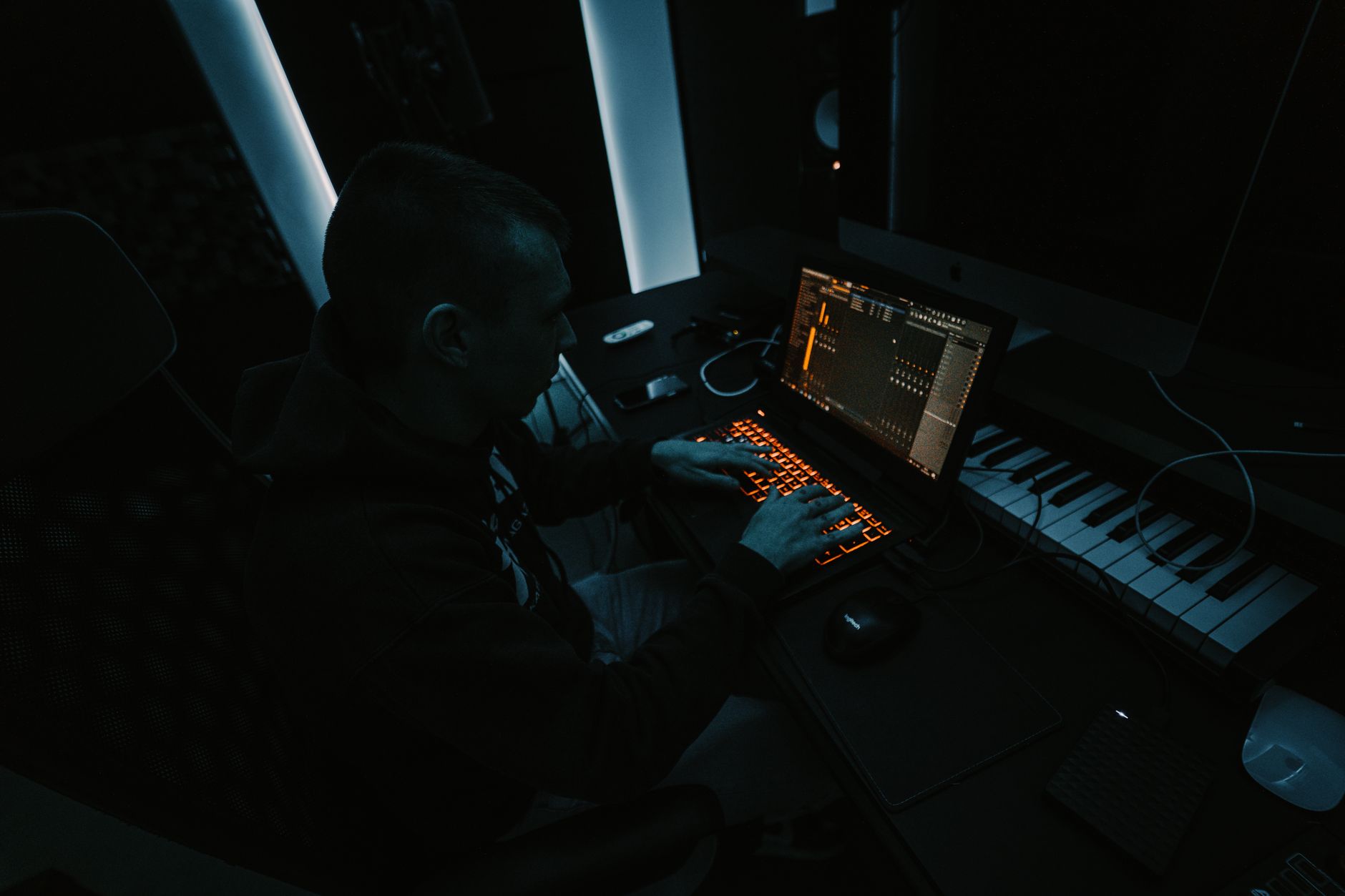
Why Krisp Is Losing Ground with the Creator Segment
Krisp’s strength – and its limitation – is that it operates in real time, at the system level, before any audio reaches a recording application. That is enormously useful for video calls, live streams, and situations where the recording environment cannot be controlled. But most podcast and video creators are not in those situations. They are recording planned content in relatively controlled environments, and their audio problems are not about dog barks or street noise bleeding into a live call. Their problems emerge during editing: the awkward silence between sentences, the gap where a cough was removed, the dead air after a splice.
Krisp cannot help with any of that. It processes audio at the input stage and has no role once recording is complete. Descript’s Room Tone addresses the editing stage directly, which is where most creator audio work actually happens. The difference in use case is not subtle – it is a completely different part of the content production process. Creators who use Krisp during recording still face the same post-production audio consistency problems Room Tone was built to fix.
There is also a pricing and consolidation argument working in Descript’s favor. Krisp’s paid plans add a monthly cost on top of whatever audio or video editing subscription a creator already maintains. Descript bundles Room Tone within its existing subscription tiers, meaning creators who are already paying for Descript get access without adding another line item to their software expenses. In a market where tool consolidation is increasingly how independent creators manage their budgets, that positioning matters more than feature parity charts.
The Broader Tool Consolidation Pattern
Descript’s Room Tone story fits into a wider pattern playing out across the creator software space. Specialized single-purpose tools that dominated early in the podcasting and video boom are losing ground to platforms that bundle related capabilities into a single environment. This has already happened in caption generation, where dedicated tools are being absorbed by short-form video editors – a pattern worth watching if you follow how auto-caption tools are repositioning against each other. The logic is the same: the tool that owns the editing workflow owns the creator’s time, and any feature that reduces the need to leave that workflow has a structural advantage over a standalone competitor.
What remains genuinely unresolved is whether Room Tone’s audio quality holds up across diverse recording conditions. Creators working in acoustically inconsistent spaces – home offices, rented studios, outdoor environments – may find that the generated room tone does not always match the ambient profile accurately enough to pass a careful listen. Krisp, for its part, continues to improve its real-time noise suppression and has expanded into voice clarity features that go beyond basic background removal. The two tools are not direct replacements for each other in every scenario, and any creator who records in genuinely noisy environments still has reason to keep Krisp in their setup.

But for the large and growing segment of creators who record in controlled environments and spend more time in post-production than in live situations, Descript has built something that solves a real problem Krisp was never designed to touch – and it did so by making the feature invisible, tucked into a workflow millions of creators already use every week.