



Every December, millions of Spotify users eagerly await their Wrapped summary – that colorful, shareable recap of their year in music. But while users are posting their top artists and guilty pleasure songs, savvy brands are quietly harvesting these insights for something far more strategic: building comprehensive marketing campaigns that extend well beyond the holiday season.
The annual Spotify Wrapped phenomenon has evolved from a simple year-end feature into one of the most powerful consumer data goldmines available to marketers. Brands are now using this treasure trove of listening habits, demographic patterns, and cultural trends to inform everything from product launches to influencer partnerships throughout the entire year.

The Data Goldmine Behind the Music
Spotify Wrapped reveals more than just musical preferences. The data exposes lifestyle patterns, geographic trends, and emotional connections that traditional surveys could never capture. When someone’s top genre shifts from indie folk to high-energy pop, it might signal a life change. When entire cities show increased streaming of wellness podcasts, it reveals emerging market opportunities.
Major brands like Nike, Starbucks, and Samsung have started incorporating these insights into their quarterly planning sessions. The music streaming patterns don’t just show what people listened to – they reveal when they worked out, commuted, relaxed, or celebrated. This behavioral mapping has become invaluable for timing campaign launches and selecting the right emotional tone.
The demographic breakdowns within Wrapped data also provide unprecedented granularity. Brands can see not just that Gen Z loves certain artists, but specifically which songs resonate in different regions, income brackets, and lifestyle segments. This level of detail allows for micro-targeted campaigns that feel organic rather than obviously data-driven.
From December Buzz to Year-Round Strategy
The smartest brands aren’t just capitalizing on Wrapped’s December virality – they’re using the insights to plan campaigns for the following spring, summer, and fall. Fashion retailers analyze which music genres dominated different age groups to predict upcoming style trends. Fitness brands examine workout playlist data to develop new class formats and equipment lines.
Spotify Ad Studio has become particularly valuable for brands implementing hyper-local targeting strategies based on Wrapped insights. When data shows that a particular city had an unusually high interest in country music, local businesses can adjust their spring advertising to incorporate those themes and aesthetics.
Food and beverage companies are among the most sophisticated users of this data. They track which songs accompany different eating occasions – are people listening to jazz during dinner or hip-hop during late-night snacking? These patterns inform everything from restaurant playlist curation to snack food marketing campaigns.
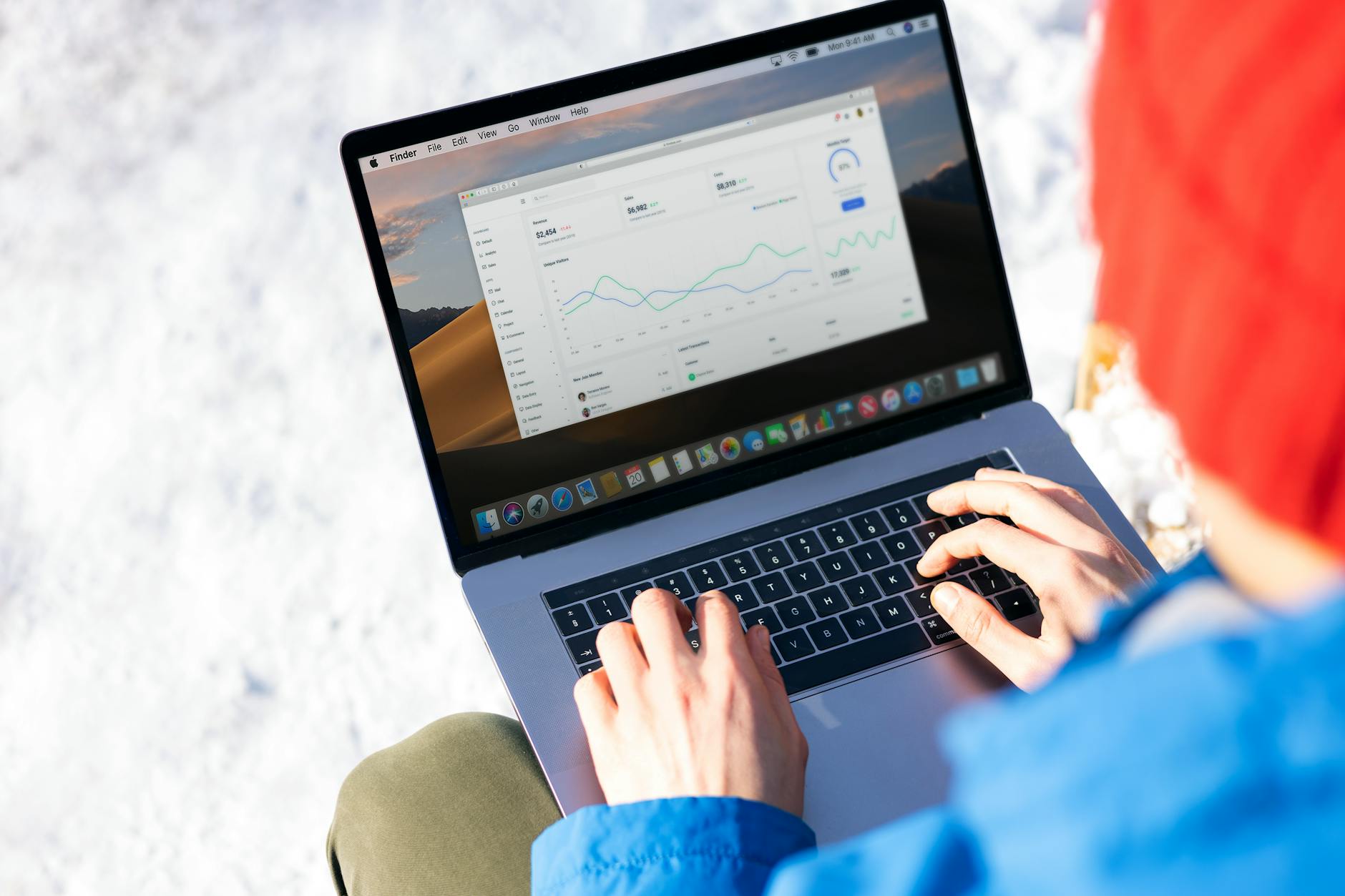
Technology companies use Wrapped data to predict which features and aesthetics will resonate with users. If minimalist ambient music surged in popularity, tech brands might emphasize clean, calm user interfaces in their upcoming product launches. The emotional associations people have with their music choices translate directly into product preferences.
Cultural Trend Forecasting Through Sound
Beyond individual consumer insights, Wrapped data serves as an early warning system for cultural shifts. When mental health podcasts or meditation music show significant growth, wellness brands and healthcare companies take notice. When protest songs or socially conscious rap gain traction, brands adjust their messaging to align with rising social awareness.
The international scope of Spotify’s platform makes this trend forecasting even more powerful. Brands can see which American musical trends are gaining traction in other markets, or vice versa. K-pop’s global rise was visible in Wrapped data years before it became a mainstream marketing consideration for Western brands.
Entertainment companies use this forecasting to plan content strategies. Streaming services analyze which music genres correlate with certain TV show preferences. Gaming companies look at the energy levels and themes of popular songs to inform their upcoming releases.
The Authenticity Challenge
While the data opportunities are immense, brands face the challenge of using these insights authentically. Consumers can easily spot when a campaign feels forced or calculated. The most successful brands use Wrapped insights subtly, incorporating the emotional and aesthetic elements rather than making obvious references to specific songs or artists.
The key is understanding the underlying motivations and feelings that drive music choices, rather than simply mimicking surface-level preferences. When workout playlists show a preference for songs with 120-140 BPMs, fitness brands don’t need to reference those specific tracks – they can create campaigns with that same energetic rhythm and pacing.

Privacy considerations also play a crucial role in how brands approach this data. The most ethical companies focus on aggregate trends and patterns rather than individual tracking, using the insights to create better products and experiences without compromising user privacy.
Looking Ahead: The Evolution of Audio Intelligence
As audio content expands beyond music into podcasts, audiobooks, and emerging formats, the insights available through platforms like Spotify will only grow richer. Brands are already preparing for a future where audio preferences inform everything from office design to urban planning.
The integration of voice technology and smart speakers adds another layer of opportunity. When brands understand not just what people listen to, but when and where they engage with audio content, the possibilities for contextual marketing become virtually limitless.
The brands winning in this space aren’t just using Wrapped data for one-off campaigns – they’re building it into their ongoing market research and strategic planning processes. This shift represents a fundamental change in how companies understand and connect with their audiences, moving from demographics to psychographics to what might be called “audiographics.”
As we head into another Wrapped season, smart brands are already preparing to turn those colorful year-end summaries into actionable intelligence that will drive their marketing success throughout the year ahead.
Frequently Asked Questions
How do brands access Spotify Wrapped data for marketing?
Brands use Spotify Ad Studio and aggregate trend reports rather than individual user data, focusing on demographic patterns and cultural insights.
What types of campaigns benefit most from Wrapped insights?
Lifestyle brands, entertainment companies, and retailers see the biggest impact from using music preference data to inform messaging and timing strategies.