



Spotify’s algorithm knows you better than your closest friends. It tracks every skip, replay, and late-night listening session to build detailed profiles of its 515 million users worldwide. Now brands are tapping into this goldmine of behavioral data through strategic playlist placement, turning curated music into one of advertising’s most sophisticated targeting tools.
Traditional advertising interrupts the user experience. Radio ads break up songs, social media ads clutter feeds, and YouTube pre-rolls delay content. But playlist placement integrates seamlessly into the listening journey, creating what marketers call “contextual relevance” – ads that don’t feel like ads because they match the moment.
Major brands from Nike to Starbucks have shifted marketing budgets toward playlist partnerships, recognizing that music streaming represents the new frontier of hyper-targeted advertising. The strategy works because playlists capture intent, mood, and lifestyle in ways demographic data never could.

The Psychology Behind Playlist Targeting
Music triggers emotional responses more powerfully than any other medium. When someone creates a “Sunday Morning Coffee” playlist or searches for “Workout Motivation,” they’re revealing psychological states and behavioral patterns that traditional advertising struggles to identify.
Spotify’s data shows users spend an average of 2.5 hours daily on the platform, creating intimate behavioral maps. A person who listens to lo-fi hip-hop during work hours, switches to indie rock for evening commutes, and plays ambient music before bed tells a story about their lifestyle, schedule, and preferences.
Brands leverage this emotional connection through strategic playlist curation. Athletic wear companies sponsor high-energy workout playlists, while luxury car brands partner with smooth jazz collections for sophisticated listeners. The key lies in matching brand personality with playlist mood rather than forcing product placement into incompatible contexts.
Research from music marketing firm Songtradr indicates that playlist placement generates engagement rates significantly higher than traditional digital advertising. Users don’t skip songs they’ve actively chosen to hear, creating extended brand exposure that banner ads or social media posts rarely achieve.
How Playlist Placement Actually Works
The playlist placement ecosystem operates through multiple channels, each offering different targeting capabilities and audience reach. Official Spotify-curated playlists represent the premium tier, with millions of followers and algorithmic promotion across the platform.
User-generated playlists form the middle tier, where brands collaborate with influential playlist creators who’ve built dedicated followings around specific genres or moods. These partnerships often feel more authentic because they come from recognized curators rather than corporate accounts.
Branded playlist creation represents the most direct approach, where companies develop their own themed collections. Starbucks pioneered this strategy with coffee shop ambiance playlists, while Nike maintains multiple workout-focused collections that subtly reinforce brand associations with athletic performance.
The targeting mechanisms work through Spotify’s advertising platform, which allows brands to promote playlists to users based on listening history, demographic information, and behavioral patterns. A yoga studio can target users who frequently listen to meditation music during morning hours, while a nightclub promotes party playlists to users active during weekend evenings.
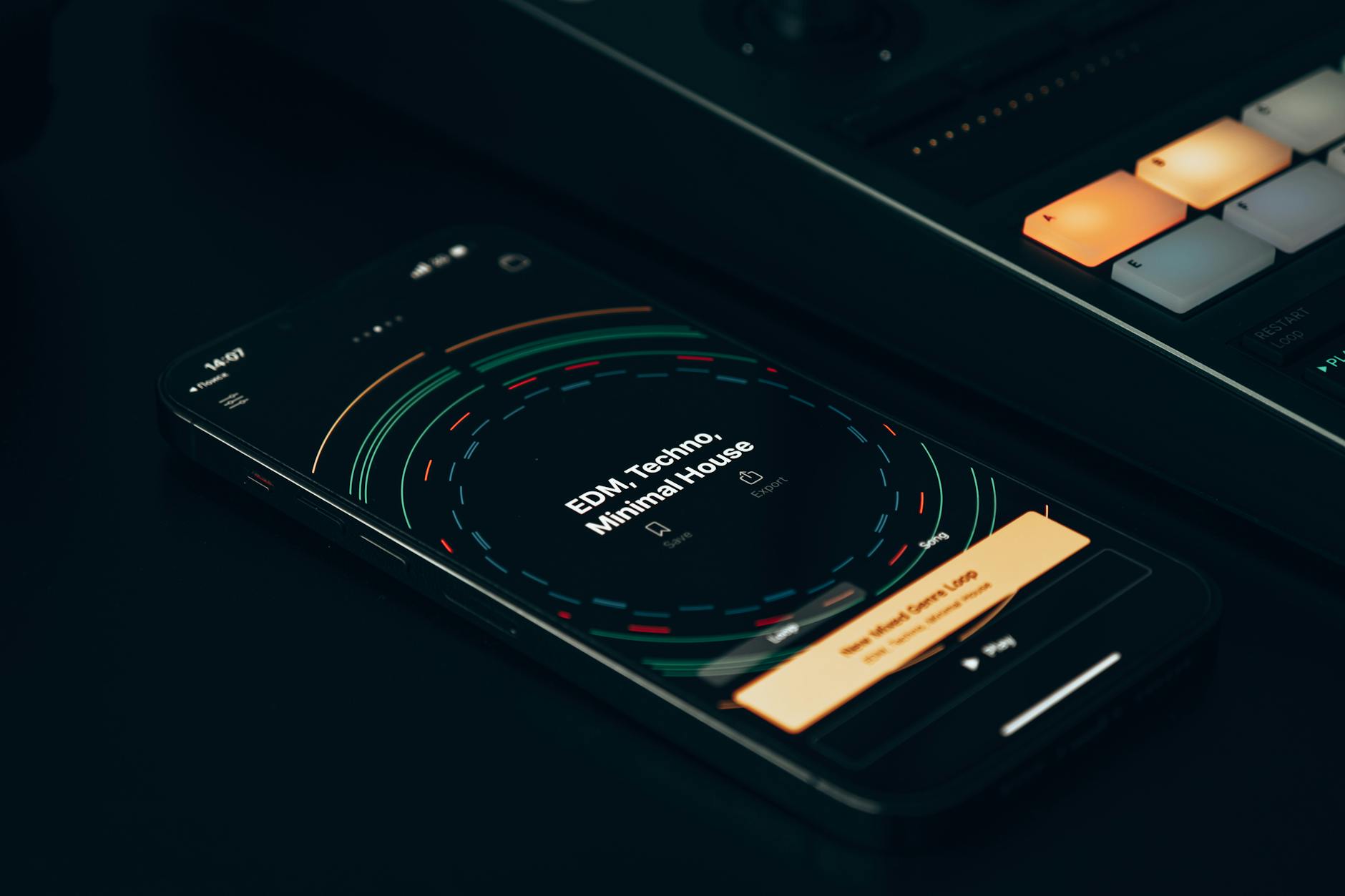
Payment structures vary widely across playlist placement strategies. Some arrangements involve flat fees for inclusion, while others operate on streaming-based commissions where brands pay per play. The most sophisticated partnerships include cross-promotional elements, where playlist features connect to social media campaigns, event marketing, and product launches.
Success Stories and Measurable Results
Coca-Cola’s partnership with Spotify during summer 2023 demonstrates playlist placement effectiveness at scale. The beverage giant created mood-based playlists tied to different consumption moments: “Beach Day Vibes,” “BBQ Soundtrack,” and “Road Trip Classics.” Each playlist included subtle audio branding and promoted seasonal campaigns without disrupting the listening experience.
The campaign generated measurable results through Spotify’s analytics dashboard, tracking playlist saves, song completions, and user engagement patterns. Coca-Cola reported increased brand awareness among target demographics, particularly users aged 18-34 who discovered the playlists through Spotify’s recommendation algorithm.
Fashion retailer Zara took a different approach, partnering with emerging artists to create exclusive playlists that premiered new tracks alongside established hits. This strategy positioned the brand as a cultural tastemaker while supporting independent musicians – a dual benefit that resonated with younger consumers who value authentic brand partnerships.
The retail giant’s playlists accumulated millions of streams and followers, creating ongoing touchpoints with style-conscious listeners. More importantly, the initiative drove measurable traffic to Zara’s online store through playlist descriptions and social media cross-promotion, demonstrating clear ROI on music marketing investment.
Local businesses have found success through micro-targeted playlist strategies. Coffee shops partner with neighborhood-focused playlist creators, gyms collaborate with fitness influencers who maintain workout collections, and restaurants develop dinner party playlists that reflect their cuisine and atmosphere.
The Technical Infrastructure Behind Music Marketing
Spotify’s advertising platform provides brands with sophisticated targeting tools that rival Facebook and Google’s capabilities. The system analyzes listening patterns, playlist interactions, and user behavior to create detailed audience segments unavailable through other channels.
Demographic targeting combines with psychographic insights to create precise audience definitions. Brands can target “urban professionals who listen to indie rock during commutes and save workout playlists” or “college students who prefer hip-hop after 10 PM and engage with discovery playlists.” This specificity enables highly relevant messaging that feels organic rather than intrusive.
Real-time analytics track playlist performance through multiple metrics: follower growth, song completion rates, skip patterns, and save frequencies. Brands monitor which tracks generate the most engagement, when users typically listen, and how playlist placement influences broader streaming behavior.
The platform’s integration with social media amplifies playlist reach beyond Spotify itself. Users share playlists across Instagram, Twitter, and TikTok, creating organic promotion that extends brand visibility into other digital spaces. This cross-platform effect multiplies advertising impact without additional media spend.
Advanced attribution modeling connects playlist engagement to business outcomes, tracking how music interactions influence website visits, app downloads, and purchase behavior. While the connection isn’t always direct, brands increasingly view playlist placement as part of larger customer journey mapping that spans multiple touchpoints.
Similar to how brands are using Reddit AMAs for customer research, playlist partnerships provide authentic ways to connect with audiences without traditional advertising friction.

Future Implications for Digital Marketing
The streaming economy continues expanding as traditional media consumption patterns shift toward on-demand, personalized experiences. Spotify’s user base grows by millions each quarter, while competing platforms like Apple Music and YouTube Music develop their own advertising capabilities.
Voice-activated listening through smart speakers introduces new targeting opportunities as brands optimize for audio search and ambient listening scenarios. Amazon’s integration of Spotify with Alexa devices creates additional data points about household behavior and music preferences that marketers are beginning to explore.
Artificial intelligence improvements in music recommendation algorithms mean playlist placement will become more sophisticated and personalized over time. Brands that establish playlist marketing strategies now position themselves advantageously as the technology evolves and targeting capabilities expand.
The convergence of music streaming with other entertainment platforms suggests playlist placement will integrate with video content, gaming experiences, and virtual reality applications. Early adopters who understand music marketing principles will adapt most successfully to these emerging opportunities.
Playlist placement represents more than a advertising trend – it signals a fundamental shift toward contextual, experience-integrated marketing that respects user attention while delivering measurable business results. As streaming platforms continue innovating and expanding globally, brands that master music marketing will build deeper, more lasting connections with increasingly sophisticated digital audiences.
Frequently Asked Questions
How does Spotify playlist placement work for advertising?
Brands partner with playlist creators or create their own themed collections, using Spotify’s targeting tools to reach specific audiences based on listening behavior and demographics.
What makes playlist advertising more effective than traditional ads?
Playlist placement integrates seamlessly into the user experience without interruption, creating contextual relevance that matches the listener’s mood and activity.