



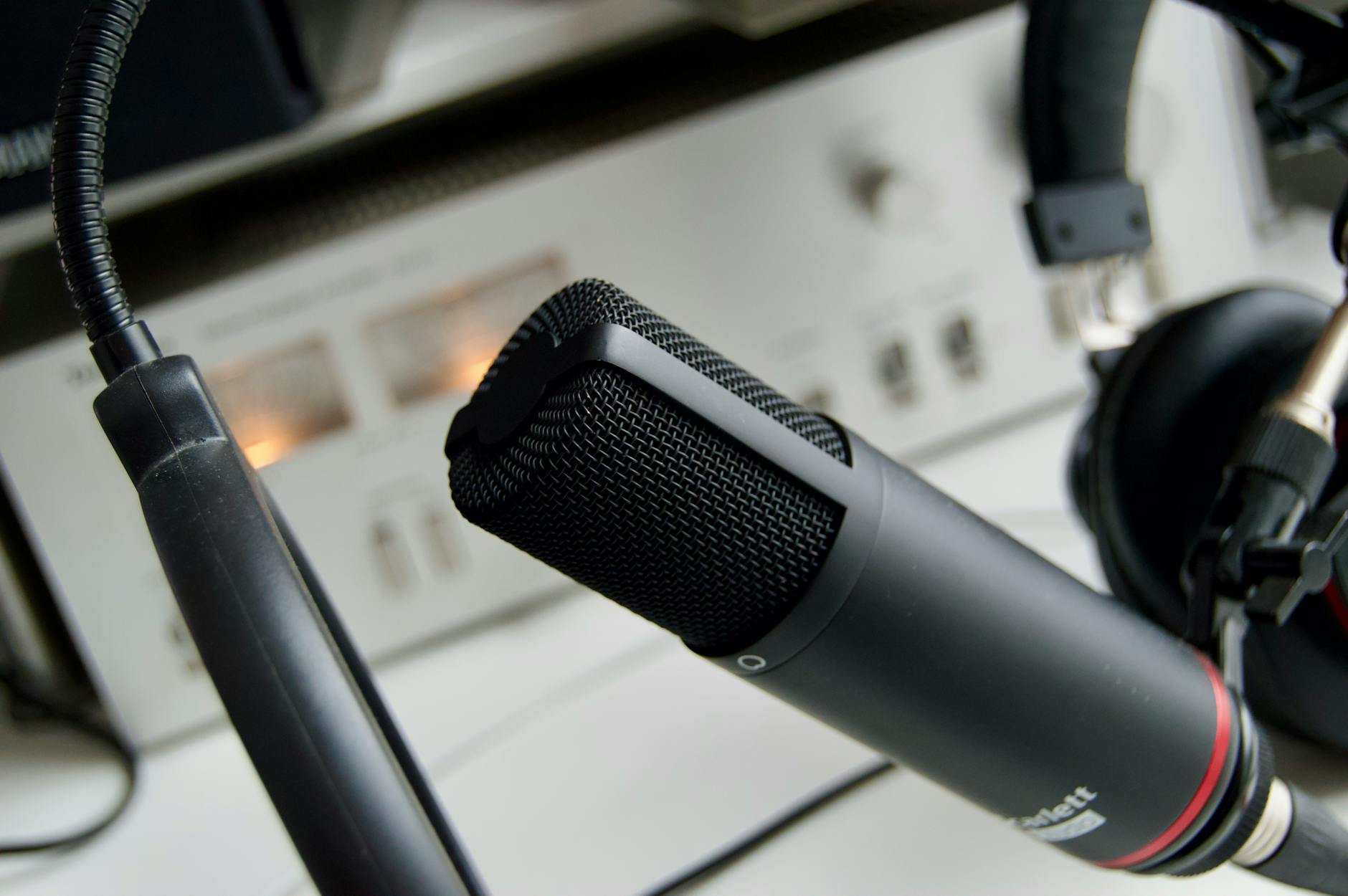
B2B marketers are abandoning webinars for something more intimate: LinkedIn Audio Events. Since the platform launched this feature in 2022, companies report deeper engagement and higher-quality leads compared to traditional video formats.
The shift reflects a broader change in professional networking. While video fatigue peaked during the pandemic, audio-only formats create psychological comfort. Participants join while commuting, walking, or multitasking without camera anxiety. This accessibility translates to larger audiences and longer listening times.
LinkedIn’s data shows Audio Events generate 40% higher attendance rates than comparable webinars. More importantly, listeners stay engaged for the full session rather than dropping off after five minutes. The format mimics successful podcast consumption patterns that professionals already embrace.

Why Audio Events Outperform Traditional Lead Magnets
The intimacy of voice-only communication breaks down barriers that video calls create. Without visual distractions or the pressure to appear camera-ready, participants focus entirely on content. This creates deeper connections between speakers and audiences.
Sarah Mitchell, VP of Marketing at enterprise software company Zendesk, explains their pivot: “We switched from monthly webinars to bi-weekly audio events. Our qualified lead rate increased because people actually listen to the full presentation. They’re not checking email or browsing other tabs.”
Audio events also democratize participation. C-suite executives who rarely appear on video will join audio discussions. The format feels more like a private conference call than a public presentation, encouraging authentic conversation during Q&A segments.
LinkedIn’s algorithm favors Audio Events in professional feeds. The platform promotes them more aggressively than standard posts or articles, extending organic reach. Companies see their events suggested to relevant professionals who haven’t directly followed their page.
Strategic Content Formats That Generate Qualified Prospects
Successful B2B audio events follow specific formats that maximize lead generation potential. Panel discussions featuring industry experts create the highest engagement. Participants value hearing multiple perspectives on challenges they face daily.
Interview-style events work particularly well for thought leadership positioning. CEOs and founders use these sessions to share insights while building personal brands. The conversational format feels less promotional than traditional presentations.
Educational deep-dives into industry topics generate the most qualified leads. Companies host sessions on regulatory changes, technology implementations, or market analysis. Attendees self-select based on specific professional needs, creating pre-qualified prospect lists.
Tech company HubSpot runs weekly “Revenue Operations Roundtables” that attract 200-300 participants per session. Their approach focuses on peer learning rather than product promotion. This strategy builds trust before introducing solutions.
Live case studies resonate strongly with B2B audiences. Companies invite clients to share implementation stories and results. These authentic testimonials carry more weight than prepared marketing materials. Listeners often request direct contact with featured clients, creating warm referral opportunities.
The interactive nature distinguishes audio events from static content. Real-time polls, Q&A segments, and breakout discussions create engagement that blog posts or whitepapers cannot match. Participants feel involved rather than passive consumers.
Converting Listeners Into Pipeline Opportunities
The real value emerges in post-event follow-up strategies. LinkedIn provides detailed attendee lists with professional profiles, company information, and engagement metrics. This data surpasses typical webinar registrations that often contain outdated or incomplete information.
Smart marketers segment follow-up based on participation level. Active participants who asked questions or stayed for the full session receive immediate outreach. Passive listeners get nurturing sequences with related content.
Audio events create natural conversation starters for sales teams. Instead of cold emails about generic pain points, representatives reference specific topics discussed during sessions. This contextual approach generates higher response rates than standard prospecting methods.
The format also enables multi-touch campaigns across LinkedIn’s ecosystem. Event recordings become podcast content, key insights become article posts, and participant questions inspire future events. This content multiplication extends the initial investment’s value.
Companies track attribution by monitoring LinkedIn activity from attendees. Many participants engage with company posts, connect with speakers, or visit websites immediately after events. This behavioral data helps identify serious prospects versus casual browsers.
Integration with CRM systems streamlines lead qualification. Marketing teams score attendees based on company size, industry, and job titles automatically. High-scoring prospects enter immediate sales sequences while others continue through nurturing campaigns.
Measuring Success Beyond Vanity Metrics
Traditional event metrics like attendance numbers miss the bigger picture. Successful B2B audio events focus on post-event engagement and pipeline generation rather than registration counts.
Quality metrics include average listening duration, question participation rates, and post-event connection requests. Companies also track how many attendees consume additional content or engage with sales outreach.
Pipeline influence provides the clearest success indicator. Marketing teams monitor how audio event attendees progress through sales funnels compared to other lead sources. Many report shorter sales cycles from audio-generated prospects.
The compound effect builds over time as companies establish thought leadership positions. Regular audio events create anticipation and loyal audiences. Participants begin inviting colleagues and sharing events within their networks, expanding reach organically.
Audio events represent a strategic evolution beyond traditional lead generation tactics. As voice-based marketing continues growing, companies that master this format gain competitive advantages. The intimate, accessible nature of audio creates deeper professional relationships that convert into business opportunities.
Forward-thinking B2B marketers are already booking their 2024 audio event calendars. Those who delay risk watching competitors build stronger industry relationships through this emerging channel. The question isn’t whether audio events work for B2B lead generation-it’s how quickly companies can implement them effectively.
Frequently Asked Questions
How do LinkedIn Audio Events generate better leads than webinars?
Audio events eliminate video fatigue and create intimate conversations that build stronger connections with prospects.
What content formats work best for B2B audio events?
Panel discussions, expert interviews, educational deep-dives, and live case studies generate the highest engagement and lead quality.