



Local businesses discover that Google Maps reviews contain goldmine content opportunities. Marketing teams now mine customer feedback for authentic stories, product insights, and community connections that traditional surveys miss entirely.
The strategy emerged as brands realized Maps reviews offer unfiltered customer voices discussing real experiences. Unlike crafted testimonials or focus groups, these reviews capture genuine moments – the coffee shop regular praising morning staff, the family celebrating a birthday dinner, or the traveler grateful for late-night service.
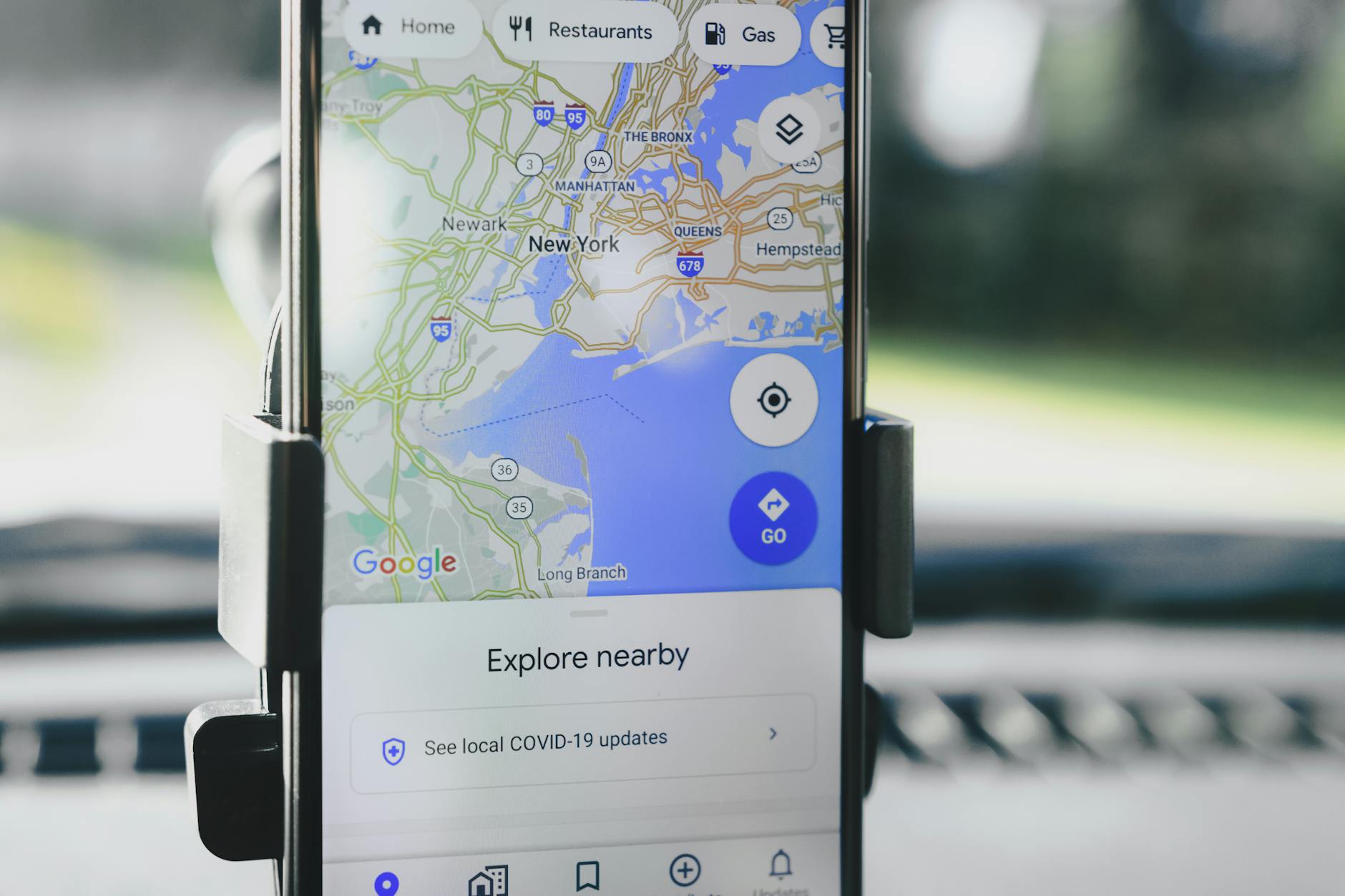
Overview: The Maps Review Content Revolution
Google Maps reviews generate over 20 million new posts daily across restaurants, retailers, and service providers. Marketing departments increasingly treat this feedback stream as premium content source rather than simple reputation management tool.
The approach works because Maps reviews contain specific details competitors can’t replicate. A customer describing how staff remembered their usual order, or praising a product’s unexpected durability, creates content that feels authentic because it genuinely is.
Brands extract multiple content types from review data: social media posts featuring customer quotes, blog articles addressing common concerns, video testimonials using real feedback, and email campaigns highlighting positive experiences. The content performs well because it reflects actual customer language and priorities.
Pros: Why Maps Reviews Work for Content Strategy
Authentic Voice and Language
Maps reviews contain customer vocabulary that market research often misses. Reviewers use informal language, regional expressions, and specific descriptors that resonate with similar audiences. A pizza place might discover customers consistently praise their “crispy-chewy crust texture” – language more compelling than corporate descriptions like “artisanal wood-fired preparation.”
This authentic language translates directly into social media captions, website copy, and advertising messages. Brands report higher engagement rates when using customer-sourced phrases compared to internally developed marketing speak.
Diverse Content Angles
Review mining reveals content opportunities across customer journey stages. New visitor reviews highlight discovery moments and first impressions. Regular customer feedback shows loyalty drivers and repeat purchase motivations. Critical reviews identify improvement opportunities and demonstrate company responsiveness.
Location-based businesses particularly benefit from review diversity. A restaurant might find reviews praising morning coffee service, lunch efficiency, dinner ambiance, and late-night convenience – four distinct content angles from one data source.
Real-Time Market Research
Maps reviews function as continuous market research stream. Customers voluntarily share preferences, complaints, comparisons with competitors, and suggestions for improvement. This feedback arrives faster and more detailed than traditional research methods.
Restaurant chains leverage this insight effectively, similar to approaches seen in ingredient transparency content where customer feedback directly influences messaging strategy.
Geographic and Demographic Insights
Review patterns reveal geographic preferences and demographic trends. Urban location reviews might emphasize convenience and speed, while suburban locations receive praise for parking and family-friendliness. These insights inform location-specific content strategies.

Crisis Prevention and Management
Regular review monitoring helps brands identify potential issues before they escalate. Recurring complaints about specific products, services, or staff interactions appear in review patterns weeks before becoming major problems.
Forward-thinking companies create content addressing common review concerns proactively. If multiple customers mention difficulty finding parking, a business might create social media posts about nearby parking options or public transit access.
Cons: Limitations and Challenges
Volume Management Complexity
High-volume businesses receive hundreds of daily reviews across multiple locations. Extracting meaningful content from this data stream requires sophisticated tools or dedicated staff time. Small businesses often struggle with the manual effort required for effective review mining.
The signal-to-noise ratio varies significantly. Useful content insights might appear in only 10-15% of reviews, requiring extensive filtering to identify valuable material.
Legal and Permission Considerations
Using customer reviews in marketing content raises permission and attribution questions. While reviews are public, featuring specific customer quotes in advertising or promotional materials may require explicit consent depending on usage context and local regulations.
Brands must develop clear policies about when and how to use review content, balancing authentic customer voice with legal compliance requirements.
Negative Feedback Management
Review-based content strategies must address negative feedback thoughtfully. Ignoring critical reviews while highlighting positive ones appears disingenuous to customers who see the full review spectrum.
Successful strategies acknowledge criticism and demonstrate improvement efforts, but this requires more sophisticated content approaches than simply showcasing praise.
Authenticity Verification Challenges
Fake reviews complicate content strategy efforts. Brands must verify review authenticity before featuring feedback in marketing materials. Using fabricated reviews in promotional content creates serious credibility and legal risks.
Review verification requires understanding platform detection systems and developing internal authentication processes for featured content.
Platform Dependency Risks
Heavy reliance on Google Maps reviews creates platform dependency similar to other digital marketing channels. Algorithm changes, policy updates, or platform availability issues could disrupt established content strategies.
Diversifying review sources and maintaining direct customer feedback channels provides strategy resilience.

Verdict: Strategic Implementation Recommendations
Google Maps reviews offer genuine value for content strategy when implemented systematically. The authentic customer voice and continuous feedback stream provide competitive advantages that justify the operational investment required.
Recommended implementation approach:
Start with manual review monitoring for 30-60 days to identify content patterns and opportunities. This foundation helps determine whether automated tools provide sufficient return on investment for your specific business volume and needs.
Develop clear guidelines for review usage in marketing content, including permission protocols and attribution standards. Legal clarity prevents future complications and builds sustainable practices.
Create response templates for different review types while maintaining authentic voice. Consistent professional responses encourage future reviews and demonstrate customer service commitment.
Integrate review insights into broader content calendar planning. Monthly review analysis should inform social media themes, blog topics, and campaign messaging priorities.
The strategy works best for businesses generating regular review volume – typically 50+ monthly reviews across all locations. Lower volume businesses benefit from manual monitoring and selective content usage rather than systematic programs.
Companies successfully using review-based content report measurably improved customer acquisition costs and higher conversion rates compared to traditional testimonial approaches. The authenticity factor resonates particularly well with younger demographics who value peer recommendations over corporate messaging.
However, success requires consistent effort and genuine commitment to customer experience improvement. Using reviews purely for marketing without addressing underlying service issues creates customer disconnect and potential reputation damage.
For businesses ready to invest in systematic review management, Google Maps reviews provide sustainable competitive advantage through authentic customer voice integration. The content strategy succeeds when treated as customer relationship enhancement rather than simple marketing tactic.
Frequently Asked Questions
How do brands legally use Google Maps reviews in marketing content?
Brands should obtain explicit permission for specific quote usage and develop clear attribution policies while following platform terms of service.
What makes Maps reviews more valuable than traditional testimonials?
Maps reviews contain unfiltered customer language and specific details that feel authentic because they capture genuine experiences rather than solicited feedback.