



Target’s Circle Week campaign just wrapped up, and small retailers across the country are taking notes. The retail giant’s social media strategy during their loyalty program event generated measurable engagement spikes and drove both online and in-store traffic through tactics that don’t require massive budgets to execute.
Circle Week ran from April 7-13, 2024, offering Target Circle members exclusive deals and early access to products. But the real story wasn’t the discounts themselves – it was how Target leveraged user-generated content, micro-influencer partnerships, and real-time social listening to amplify their message across platforms.

Building Community Through User-Generated Content
Target’s Circle Week campaign centered on getting customers to share their own content rather than relying solely on polished brand posts. The retailer encouraged Circle members to post haul videos, outfit styling sessions, and home decor reveals using specific hashtags like #CircleWeekFinds and #TargetStyle.
The strategy worked because Target made participation feel exclusive and rewarding. Circle members who shared content during the event were entered into daily giveaways and featured on Target’s official Instagram Stories. This approach turned customers into content creators, generating thousands of authentic posts that reached far beyond Target’s own follower count.
Small retailers can replicate this model by creating loyalty programs tied to social sharing. A boutique clothing store might offer early access to new collections for customers who share styling photos, while a local coffee shop could feature customer posts in exchange for loyalty points. The key is making social sharing feel like a privilege rather than a request.
Target also responded to user-generated content in real-time, liking posts, sharing stories, and commenting with personalized messages. This level of engagement made customers feel seen and encouraged others to participate.
Strategic Micro-Influencer Partnerships
Rather than partnering with mega-influencers, Target focused on micro-influencers with 10,000 to 100,000 followers during Circle Week. These creators produced more intimate content showing how Target products fit into their daily routines, from morning coffee setups to evening skincare rituals.
The micro-influencer strategy delivered higher engagement rates than traditional celebrity partnerships. Followers trust recommendations from creators who feel more accessible and relatable. Target provided these influencers with early access to Circle Week deals and encouraged authentic storytelling rather than scripted promotional posts.
Small businesses can leverage similar partnerships by identifying local influencers who align with their brand values. A neighborhood gym might partner with fitness enthusiasts who already shop there, offering free classes in exchange for honest reviews and workout videos. The investment is minimal, but the authentic reach can be substantial.
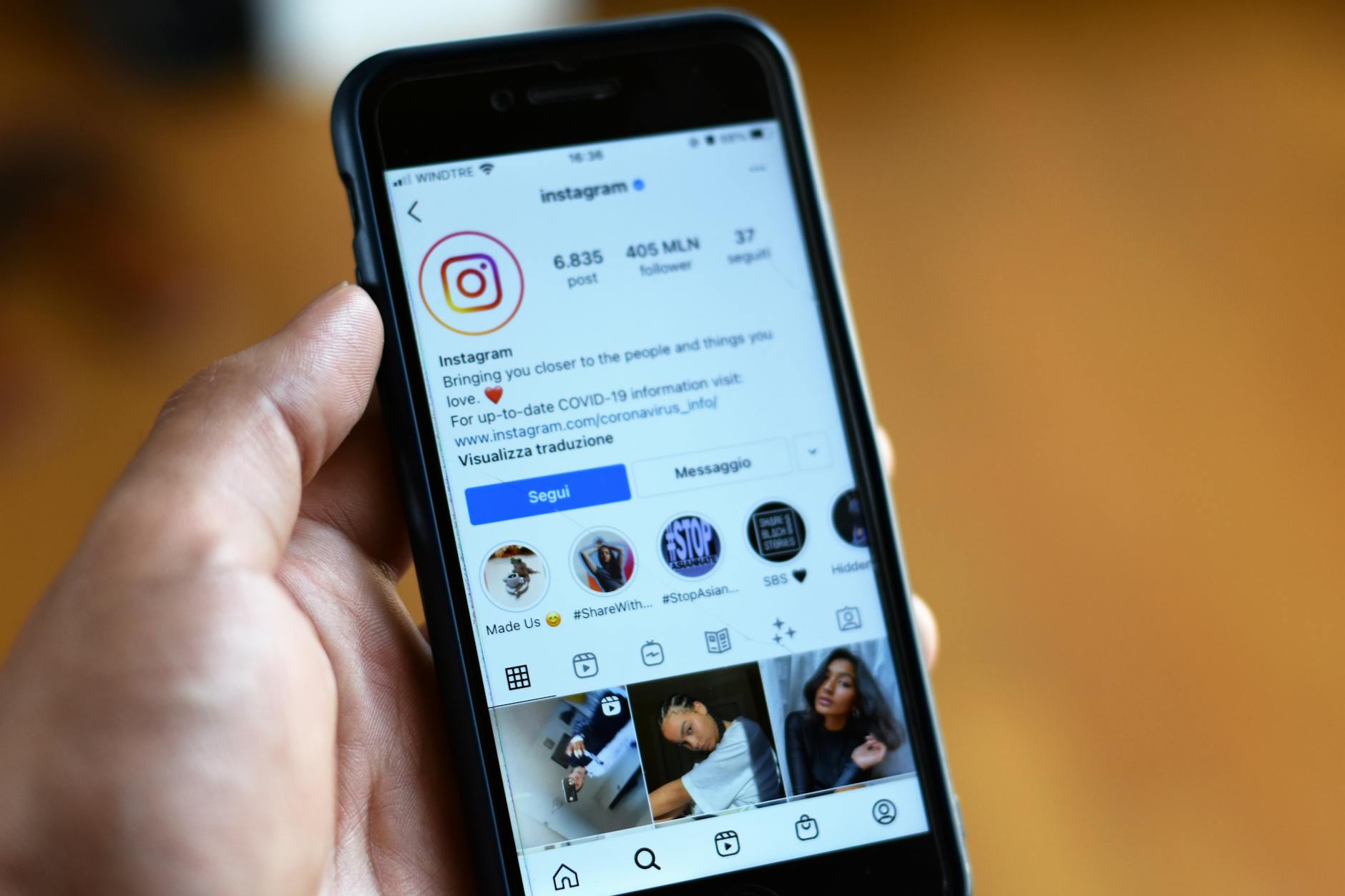
Target’s influencer brief emphasized lifestyle integration over product placement. Instead of holding up items and listing features, creators showed products in use within their actual homes and routines. This approach generated content that felt less like advertising and more like friendly recommendations.
Real-Time Social Listening and Response Strategy
Throughout Circle Week, Target’s social media team monitored mentions, comments, and trending topics related to their campaign. When customers posted about sold-out items or store availability issues, Target responded quickly with alternatives or restocking information.
The brand also capitalized on trending topics and memes, inserting Circle Week messaging into conversations that were already happening online. When a viral TikTok dance trend emerged during the campaign period, Target created their own version featuring employees and Circle Week products.
This real-time responsiveness requires dedicated monitoring tools and quick decision-making processes. Small retailers can implement similar strategies using free social listening tools like Google Alerts or Mention. The goal is staying connected to customer conversations and responding when appropriate.
Target’s social team also tracked which types of content performed best during different parts of the week, adjusting their posting schedule and content mix accordingly. Data showed that styling videos performed better on weekends, while home organization content peaked on weekday mornings.
Cross-Platform Content Adaptation
Target didn’t create identical content for every platform during Circle Week. Instead, they adapted their core messaging to fit each platform’s unique format and audience behavior. Instagram featured polished lifestyle photography, TikTok showcased quick styling tips and product demonstrations, and Twitter focused on real-time customer service and deal announcements.
The brand’s Pinterest strategy highlighted seasonal decor ideas and organization solutions using Circle Week products. Facebook content emphasized community building through customer spotlights and behind-the-scenes content from Target team members. Each platform served a different purpose within the overall campaign ecosystem.
Small retailers often make the mistake of posting identical content across all platforms. Target’s approach shows the value of platform-specific content creation. A local bakery might share detailed recipe videos on TikTok, finished product photos on Instagram, and customer testimonials on Facebook.
Much like how brands are exploring Twitch stream sponsorships for Gen Z reach, Target recognized that different platforms require different content approaches to maximize engagement with specific audience segments.

Measuring Success Beyond Vanity Metrics
Target tracked Circle Week campaign success through metrics that directly tied to business outcomes rather than focusing solely on likes and shares. The brand measured conversion rates from social media traffic, tracked in-store visits attributed to social campaigns, and monitored Circle membership sign-ups during the campaign period.
Customer lifetime value became a key metric, measuring how Circle Week participants continued engaging with Target after the campaign ended. The brand also tracked sentiment analysis across social platforms to understand how the campaign affected brand perception.
Small retailers should adopt similar measurement approaches by connecting social media activities to actual sales data. Tools like Google Analytics can track how social media traffic converts to purchases, while customer surveys can reveal how social content influences buying decisions.
The future of retail social media marketing lies in creating genuine community connections rather than broadcasting promotional messages. Target’s Circle Week campaign succeeded because it made customers feel like valued members of an exclusive group rather than targets for advertising.
Small retailers have unique advantages in building these community connections. They can offer more personalized interactions, respond faster to customer needs, and create intimate experiences that large retailers cannot match. The key is applying Target’s strategic thinking while leveraging the personal touch that makes small businesses special.
Frequently Asked Questions
How can small retailers replicate Target’s user-generated content strategy?
Create loyalty programs that reward social sharing, respond to customer posts in real-time, and make participation feel exclusive rather than mandatory.
What budget do small retailers need for micro-influencer partnerships?
Micro-influencer partnerships can start with product trades or small service exchanges, making them accessible for businesses with limited marketing budgets.