



Jimmy Donaldson, better known as MrBeast, doesn’t just create viral YouTube content – he’s built a product empire that generates hundreds of millions in revenue. From Feastables chocolate bars to Beast Burger ghost kitchens, his launches consistently break sales records and dominate social media conversations. While most small brands struggle to gain traction in crowded markets, MrBeast’s approach offers a masterclass in turning audience attention into purchase decisions.
His latest ventures prove that product success isn’t just about having a great item – it’s about creating an experience that makes customers feel part of something bigger. Small brands can extract powerful lessons from his methodology, even without his massive following or budget.
Build Anticipation Through Authentic Storytelling
MrBeast doesn’t announce products – he creates narratives around them. When launching Feastables, he documented the entire development process, from taste-testing sessions to packaging design debates. His audience watched him fail, iterate, and improve, making them emotionally invested in the outcome before the first bar hit shelves.
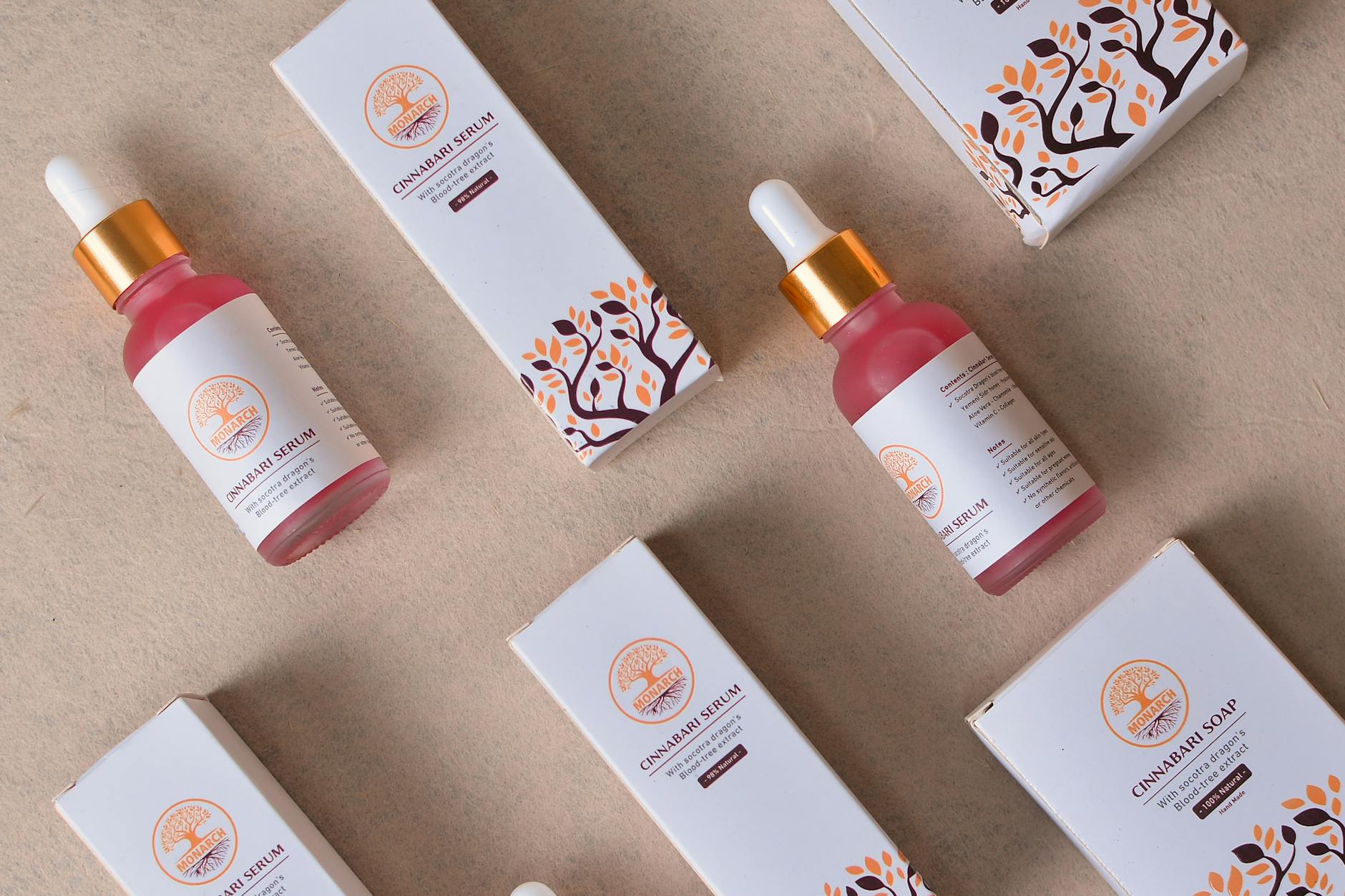
Small brands can replicate this approach by sharing their journey openly. Document your product development process, show behind-the-scenes moments, and acknowledge challenges honestly. A local coffee roaster might share their search for the perfect bean supplier, complete with cupping sessions and farmer visits. A skincare startup could document ingredient sourcing and formulation attempts.
The key lies in vulnerability and transparency. MrBeast regularly admits when products don’t meet his standards and explains how he’s fixing them. This builds trust and makes customers feel like collaborators rather than targets. Small brands often hide their struggles, but revealing them creates deeper connections with audiences who appreciate authenticity.
Content planning becomes crucial here. Start building anticipation months before launch, not weeks. Create a content calendar that gradually reveals more about your product while maintaining mystery. Share early prototypes, discuss design decisions, and ask for audience input on specific elements like packaging or flavor profiles.
Create Scarcity That Feels Genuine
Every MrBeast product launch features limited quantities or exclusive access, but the scarcity never feels manufactured. He provides concrete reasons – limited production capacity for higher quality, testing market response, or seasonal ingredients. This approach makes customers feel they’re accessing something special rather than being manipulated by marketing tactics.
Small brands can implement similar strategies by tying scarcity to genuine business realities. A handmade jewelry brand might limit releases to what one artisan can produce monthly. A specialty food company could create seasonal batches based on ingredient availability. The limitation becomes part of the brand story rather than a pressure tactic.
Consider implementing pre-orders for limited quantities, which serves multiple purposes. It validates demand before full production, creates cash flow for manufacturing, and builds excitement through countdown timers and progress tracking. MrBeast often shares real-time sales numbers, turning purchases into community achievements.
Geographic rollouts work particularly well for small brands. Instead of attempting nationwide distribution immediately, focus on specific cities or regions. This creates local buzz while allowing you to refine operations and gather feedback before expanding. Document the expansion process as content, showing how customer response in each market influences your next moves.

Leverage Community as Distribution Channel
MrBeast’s most powerful asset isn’t his subscriber count – it’s his community’s willingness to become brand ambassadors. His audience actively promotes his products because they feel ownership in his success. This happens through consistent engagement, exclusive access, and making customers feel like insiders rather than consumers.
Small brands can cultivate similar loyalty by creating exclusive communities around their products. This might be a Discord server, Facebook group, or email list with special perks. Share exclusive content, offer early access to new products, and most importantly, listen to feedback and implement suggestions publicly.
User-generated content becomes your primary marketing channel when community members feel genuinely invested. Encourage customers to share their experiences, but make it feel organic rather than forced. MrBeast rarely asks directly for promotion – his products naturally inspire sharing because using them feels like participating in something culturally significant.
Consider implementing referral programs that reward community building rather than just sales. Offer exclusive merchandise, early access, or even input on future products to customers who bring friends into your community. This approach, similar to what D2C brands can learn from Liquid IV’s influencer seeding strategy, focuses on relationship building over transactional exchanges.
The goal isn’t creating customers who buy once – it’s building a community that grows with your brand and helps shape its evolution. MrBeast regularly credits his audience with product improvements and business decisions, making them feel like stakeholders in his success.
Transform Launches Into Entertainment Events
MrBeast doesn’t announce products – he creates spectacles around them. His Feastables launch included elaborate taste tests, chocolate factory tours, and collaboration with other creators. Each launch becomes appointment viewing that extends far beyond his immediate audience.
Small brands can create similar excitement by treating launches as performances rather than announcements. This doesn’t require massive budgets – it requires creativity and understanding of what genuinely entertains your audience. A local restaurant might livestream their new dish creation process, complete with taste-testing volunteers and real-time recipe adjustments.
Partner with complementary brands or creators for launch events, even on a small scale. A fitness apparel brand might collaborate with local trainers for launch workouts featuring the new products. A skincare brand could partner with beauty creators for live application tutorials and immediate reaction videos.
The entertainment value should align with your brand personality and audience interests. MrBeast’s events work because they match his content style – big, bold, and slightly unpredictable. Small brands need to find their own entertainment sweet spot, whether that’s educational content, behind-the-scenes access, or community challenges.
Document everything and repurpose content across platforms. A single launch event can generate weeks of content when properly planned and captured. Share preparation moments, highlight real-time reactions, and create follow-up content analyzing results and lessons learned.

Measure Beyond Traditional Metrics
MrBeast tracks standard sales metrics, but his real focus lies on community engagement and long-term brand building. He measures how products perform as content catalysts, community growth drivers, and stepping stones to bigger opportunities. Small brands can adopt similar holistic measurement approaches.
Track engagement rates on product-related content, not just sales numbers. Monitor how launches affect overall brand mentions, community growth, and customer lifetime value. A successful product launch might generate lower immediate revenue but create lasting brand awareness and community expansion that drives long-term success.
Consider measuring cultural impact within your niche. Are customers sharing your products organically? Do other brands or creators reference your launches? Are you influencing conversations in your industry? These indicators often predict long-term success better than immediate sales figures.
The future belongs to brands that understand product launches as relationship-building opportunities rather than purely transactional events. MrBeast’s success stems from treating every launch as a chance to deepen community connections while delivering genuine value. Small brands that master this balance will find themselves building sustainable businesses rather than just selling products.
Success isn’t about matching MrBeast’s scale – it’s about applying his principles of authentic storytelling, community building, and entertainment-driven marketing to create meaningful connections with your audience. The brands that thrive in coming years will be those that make customers feel like participants in their story rather than just purchasers of their products.
Frequently Asked Questions
How can small brands create scarcity like MrBeast without seeming fake?
Tie limitations to genuine business realities like production capacity, seasonal ingredients, or testing market response rather than arbitrary deadlines.
What’s the most important element of MrBeast’s launch strategy for small brands?
Building authentic community engagement where customers feel like stakeholders in your brand’s success rather than just purchasers.