



When Chipotle’s stock price hit an all-time high in 2024, analysts pointed to one key factor: the company’s digital transformation had fundamentally changed how customers interact with fast-casual dining. Nearly 40% of Chipotle’s sales now come through digital channels, with their mobile app and online ordering system driving both convenience and customer loyalty. For local restaurants struggling to compete with chains, Chipotle’s digital-first approach offers a blueprint for survival in an increasingly connected marketplace.
The Mexican fast-casual giant didn’t stumble into digital success. They methodically rebuilt their entire ordering ecosystem around mobile and online platforms, creating seamless experiences that keep customers coming back. Local restaurants watching their neighborhood competition can extract valuable lessons from this transformation, adapting Chipotle’s strategies to their own scale and budget.

Streamlined Ordering Experience Reduces Friction
Chipotle’s mobile app eliminates the most frustrating part of quick-service dining: waiting in line to place an order. Their interface lets customers build meals step-by-step, customize ingredients with visual clarity, and save favorite orders for future visits. The app remembers preferences, dietary restrictions, and payment methods, turning a potentially complex ordering process into a few quick taps.
Local restaurants can implement similar friction-reducing strategies without massive tech investments. Many point-of-sale systems now include basic mobile ordering capabilities, while third-party platforms like Toast, Square, and Clover offer affordable solutions designed for independent operators. The key is prioritizing simplicity over flashy features.
A successful digital ordering system should load quickly, display menu items clearly, and make customization intuitive. Customers shouldn’t need to hunt for prices or wonder about ingredient options. Chipotle’s approach proves that transparency builds trust – every ingredient, calorie count, and price is clearly visible before checkout.
Local restaurants often make the mistake of cramming their entire menu into a mobile interface. Chipotle’s focused menu translates perfectly to digital screens because customers can visualize their choices easily. Independent operators should consider streamlining their mobile offerings to feature their most popular items, ensuring quality execution over exhaustive selection.
Loyalty Programs That Actually Drive Behavior
Chipotle Rewards transforms occasional customers into regular visitors through strategic point accumulation and personalized offers. Members earn 10 points per dollar spent, with free entrees available at 1,625 points – roughly every 16 visits for average customers. The program integrates directly with their mobile app, making point tracking and reward redemption seamless.
The genius lies in Chipotle’s behavioral data collection. The app tracks ordering patterns, favorite ingredients, visit frequency, and spending habits. This information powers targeted promotions that feel personal rather than generic. A customer who always adds guacamole might receive a free guac offer, while vegetarian customers get promotions for sofritas or veggie bowls.
Local restaurants can create similar loyalty ecosystems using platforms like LoyaltyLion, Yotpo, or built-in features from their POS systems. The key is making rewards feel achievable and relevant. A coffee shop might offer every 10th drink free, while a pizza restaurant could reward frequent customers with free appetizers or delivery fee waivers.
Successful loyalty programs require consistent communication. Chipotle sends push notifications about points earned, rewards available, and special member-only promotions. Local businesses should embrace email marketing and SMS campaigns to keep their programs visible, but avoid over-communication that leads to unsubscribes.
Integration Across All Customer Touchpoints
Chipotle’s digital strategy extends beyond their app into social media, email marketing, and in-store experiences. Their Instagram account showcases fresh ingredients and customization possibilities, while email campaigns promote new menu items and limited-time offers. Most importantly, their digital and physical experiences feel connected rather than separate.
Customers can start an order on their phone, modify it through the website, and pick it up in-store without confusion. Staff members are trained to handle digital orders efficiently, with dedicated pickup areas and clear order identification systems. This omnichannel approach prevents the frustration many restaurants create when their digital promises don’t match physical execution.
Local restaurants should audit their customer journey across all platforms. Does the menu pricing match between the website, app, and in-store displays? Are staff members equipped to help customers with mobile ordering questions? Can customers easily find pickup instructions and store locations?
The integration extends to inventory management. Chipotle’s systems automatically remove out-of-stock items from digital menus, preventing customer disappointment and order cancellations. Local restaurants using modern POS systems can implement similar real-time inventory updates, ensuring digital menus reflect actual availability.
Social media integration amplifies digital ordering success. Just as other food brands have mastered social media engagement, restaurants should use platforms like Instagram and TikTok to showcase their digital ordering convenience, behind-the-scenes content, and customer testimonials.
Data-Driven Menu and Marketing Decisions
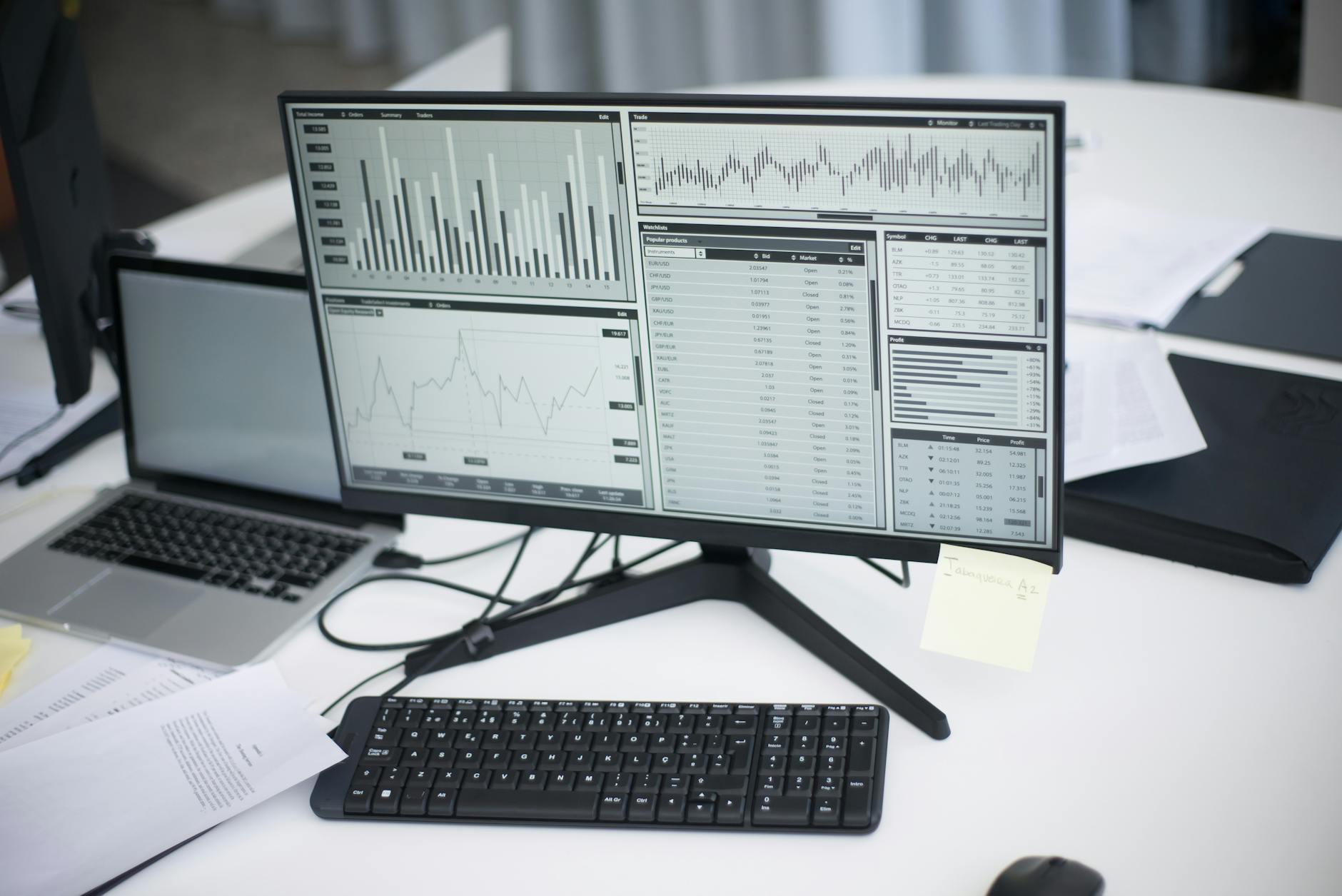
Chipotle’s digital platforms generate massive amounts of customer data that inform business decisions. They track which menu items perform best at different times, which promotions drive the highest conversion rates, and how customers respond to price changes. This information guides everything from ingredient purchasing to marketing campaign timing.
Local restaurants with digital ordering systems can access similar insights on a smaller scale. Most modern POS systems provide analytics showing top-selling items, peak ordering times, average order values, and customer return rates. Restaurant owners should review these metrics monthly to identify optimization opportunities.
Popular items deserve prominent placement in mobile apps and on websites. If data shows certain combinations are frequently ordered together, restaurants can create combo meals or suggest add-ons during the ordering process. Slow-moving items might benefit from limited-time promotions or recipe modifications based on customer feedback.
Geographic data helps local restaurants understand their delivery radius and customer concentration. If most digital orders come from specific neighborhoods, targeted social media advertising and local partnerships become more strategic. Delivery timing data can inform staffing decisions and operational adjustments.
Customer feedback through app ratings and reviews provides direct insight into service quality and menu preferences. Chipotle regularly adjusts their operations based on digital feedback, from ingredient sourcing to store layout modifications. Local restaurants should actively monitor and respond to digital reviews, using criticism as improvement opportunities.
The Future of Local Restaurant Competition
Chipotle’s digital transformation demonstrates that technology adoption isn’t optional for restaurants anymore – it’s essential for competitive survival. Local establishments that embrace digital-first ordering strategies position themselves to compete with chains while maintaining their unique community connections.
The investment in digital infrastructure pays dividends beyond immediate sales increases. Restaurants with robust online ordering systems proved more resilient during COVID-19 restrictions and continue benefiting from changing consumer preferences toward convenience and contactless interactions.
As other major brands continue perfecting their digital strategies, local restaurants must adapt or risk losing customers to more convenient alternatives. The businesses thriving in 2024 are those that view technology as an enhancement to their service rather than a replacement for human hospitality.
Smart local restaurant owners will study Chipotle’s playbook while adapting strategies to their unique circumstances, customer base, and operational capabilities. The goal isn’t to become Chipotle, but to offer the convenience and personalization that modern diners expect from every restaurant experience.
Frequently Asked Questions
What makes Chipotle’s digital ordering strategy successful?
Chipotle focuses on streamlined mobile experiences, integrated loyalty programs, and data-driven menu decisions that reduce customer friction and increase repeat visits.
Can small restaurants afford to implement digital ordering systems?
Yes, many POS systems now include affordable mobile ordering features, and third-party platforms offer budget-friendly solutions designed for independent restaurants.