



A small coffee roastery in Portland watched their morning rush dwindle as a new Dutch Bros location opened three blocks away. Within months, cars wrapped around the Dutch Bros building while their own shop sat half-empty. The difference wasn’t the coffee-it was the conversation.
Dutch Bros has built a cult following not through superior beans or trendy latte art, but through a drive-thru social strategy that transforms quick coffee runs into memorable human connections. Local coffee shops across America are now studying this Oregon-born chain’s playbook, discovering that authentic engagement can compete with corporate convenience.
The Dutch Bros phenomenon extends far beyond coffee. Their baristas remember regular customers’ names, ask about their kids, and create moments that feel personal despite lasting only minutes. This approach has generated organic social media buzz that money can’t buy, with customers posting about their “Dutch Bros experience” rather than just their drinks.
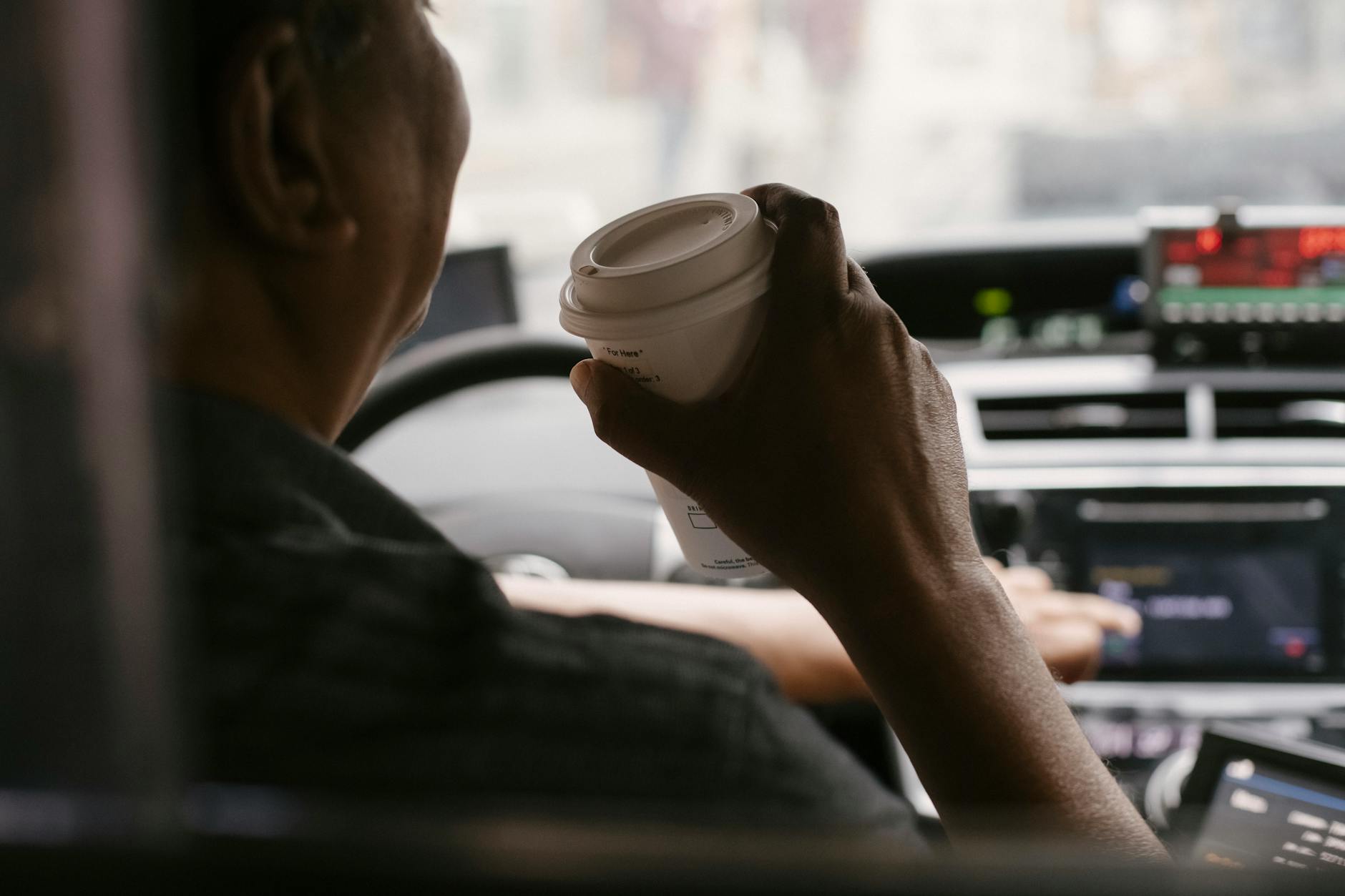
The Power of Micro-Interactions
Dutch Bros trains their employees to create what marketing experts call “micro-interactions”-brief but meaningful exchanges that leave lasting impressions. When a barista asks about your weekend plans or remembers you switched to oat milk last month, they’re building emotional equity that transcends the transaction.
Local coffee shops are adapting this strategy within their own contexts. The Grind in Austin started tracking customer preferences in a simple notebook system, enabling staff to greet regulars with “the usual?” while adding personal touches. Coffee Connection in Denver implemented “story cards” where baristas jot down memorable details about customers-their dog’s name, upcoming vacation, or favorite sports team.
These micro-interactions generate authentic user-generated content. Customers naturally share experiences when they feel genuinely seen and valued. Unlike paid social media campaigns, this organic content carries the credibility of real relationships.
The key difference between Dutch Bros and traditional coffee chains lies in conversation training. While most chains focus on speed and accuracy, Dutch Bros emphasizes engagement skills. Their baristas learn to read social cues, understanding when customers want quick service versus when they’re open to chat.
Building Community Through Consistent Messaging
Dutch Bros maintains consistent brand messaging across all touchpoints-from employee interactions to social media presence. Their “Dutch Luv” philosophy isn’t just marketing speak; it’s embedded in daily operations and staff training. This consistency creates a recognizable brand experience that customers can rely on.
Local shops are finding success by defining their own authentic brand voice. Muddy Waters Coffee in Chicago embraces their neighborhood’s artistic community, encouraging staff to discuss local gallery openings and music venues. Their social media reflects this same cultural engagement, creating a cohesive brand experience that resonates with their target audience.
The community-building aspect extends beyond individual locations. Dutch Bros creates regional identity through location-specific merchandise and local charity partnerships. Their baristas often become familiar faces in the community, participating in local events and building relationships that extend beyond coffee sales.
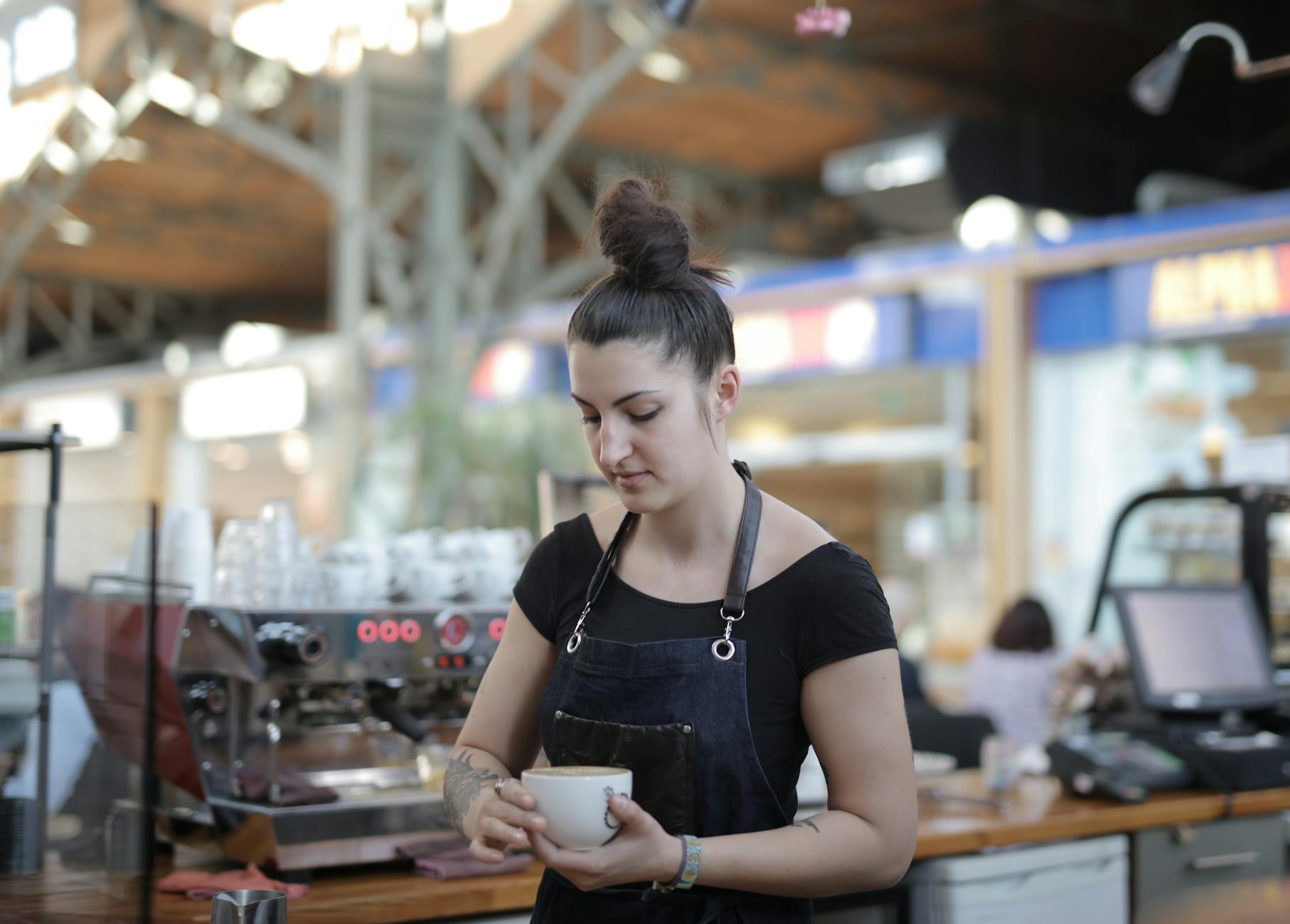
Smart local coffee shops are replicating this community integration strategy. They partner with local schools for fundraising events, sponsor neighborhood sports teams, and collaborate with other small businesses for cross-promotional opportunities. These partnerships create natural content opportunities while strengthening community ties.
Social media amplifies these community connections. When Dutch Bros baristas post about local events or customer achievements, they’re demonstrating genuine investment in their community’s success. Local shops can achieve similar results by encouraging staff to share authentic community moments rather than polished corporate content.
Creating Shareable Moments Without Gimmicks
Dutch Bros generates viral content through authentic interactions rather than manufactured viral stunts. Their most popular social media posts feature real customer interactions-surprise free drinks for teachers, birthday celebrations, or spontaneous dance parties in the drive-thru line.
This organic approach to viral content creation offers valuable lessons for local businesses. Instead of chasing trends or investing in expensive video production, successful coffee shops focus on creating genuinely memorable experiences. When customers feel compelled to share because they’re genuinely delighted, the content carries more authenticity than polished marketing campaigns.
The surprise element plays a crucial role in Dutch Bros’ strategy. Random acts of kindness-paying for the next customer’s order or upgrading a drink for no reason-create positive emotions that customers naturally want to share. Local shops can implement similar surprise strategies within their budget constraints, focusing on small gestures that create big emotional impact.
Training staff to recognize shareable moments helps maximize organic social media content. When baristas understand which interactions might resonate on social platforms, they can subtly encourage sharing without being pushy. The goal is facilitating natural content creation rather than forcing it.
Adapting the Strategy for Local Success
While local coffee shops can’t match Dutch Bros’ scale or resources, they possess advantages that corporate chains lack-deeper community knowledge, flexibility to adapt quickly, and the authenticity that comes from being genuinely local. The key is identifying which elements of Dutch Bros’ strategy align with their unique strengths.
Successful adaptation requires understanding local customer preferences and community dynamics. A coffee shop in a busy financial district might focus on efficiency and professional recognition, while a shop in a college town could emphasize study space and academic support. The core principle of meaningful human connection remains consistent, but the execution varies based on context.
Technology can support but shouldn’t replace human interaction. Simple customer relationship management tools help staff remember preferences and personal details, but the magic happens in how that information gets used. Similarly, mobile ordering strategies can enhance convenience while maintaining the personal touch that customers crave.
The investment in staff training pays long-term dividends. Dutch Bros’ success stems from their people, not their products. Local coffee shops that prioritize hiring for personality and training for engagement create sustainable competitive advantages that corporate chains struggle to replicate.
Looking ahead, the coffee industry continues evolving toward experience-based differentiation. As automation and efficiency become commoditized, the brands that thrive will be those that master authentic human connection. Dutch Bros has shown that drive-thru efficiency and personal relationship-building aren’t mutually exclusive-they’re complementary strategies that create lasting customer loyalty.
Local coffee shops that embrace this lesson while maintaining their unique community identity are positioning themselves not just to survive corporate competition, but to thrive by offering something algorithms and corporate training manuals can’t replicate: genuine human connection rooted in local community understanding.
Frequently Asked Questions
What makes Dutch Bros’ drive-thru strategy different from other coffee chains?
Dutch Bros focuses on creating meaningful micro-interactions and remembering personal details about customers, building emotional connections beyond just serving coffee.
How can small coffee shops compete with larger chains’ social media presence?
Local shops can leverage their community knowledge and authentic relationships to create organic user-generated content that feels more genuine than corporate campaigns.