



The Quiet Shift Happening in LinkedIn Analytics
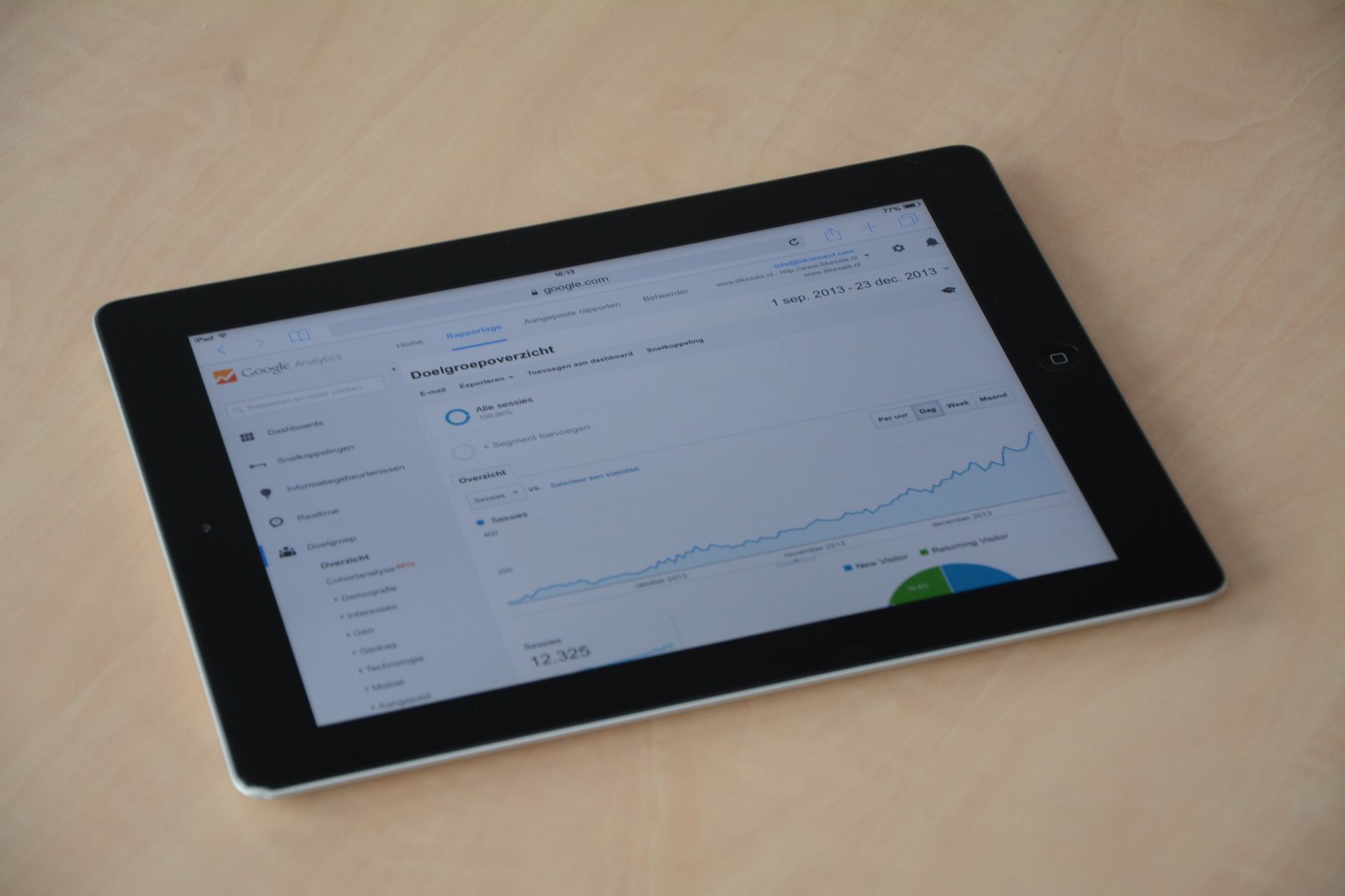
Shield Analytics built its reputation on one specific promise: give LinkedIn creators the data their own platform refuses to show them. For years, it delivered on that. Post impressions, follower growth curves, engagement breakdowns – Shield handed creators a window into performance metrics that LinkedIn native analytics buried or ignored entirely. It became the default tool for anyone serious about growing on the platform.
Taplio changed the conversation.
What started as an AI-assisted content scheduling and writing tool has expanded its analytics suite to the point where a growing number of creators are questioning whether they need Shield at all. Taplio now tracks post performance, audience growth, engagement rates, and content scoring inside the same dashboard where they plan and write their content. The appeal is obvious: fewer tabs, fewer subscriptions, and a workflow that doesn’t require exporting data from one tool to read it inside another.
What Shield Does Well – And Where the Cracks Show
Shield remains a genuinely strong product. Its data visualization is clean, its historical tracking goes deep, and creators who have been on it for years have built up months or years of benchmarked performance data they would lose context on if they switched. The cohort analysis features – how different post formats perform over time, which days consistently generate more reach – are detailed in ways that Taplio’s analytics haven’t fully matched yet.
The friction point isn’t features. It’s workflow fragmentation. A creator using Taplio to draft posts with AI assistance, schedule content, and manage their LinkedIn presence still has to open a second tool, log in separately, and mentally reconcile two sets of data to understand how their strategy is performing. That context-switching costs time and, more importantly, creates a gap between writing decisions and performance feedback. When both live in the same platform, content decisions become faster and more instinctive.
Shield also carries a standalone subscription cost that, for creators already paying for Taplio’s higher-tier plans, feels redundant. The math becomes harder to justify as Taplio closes the analytics gap. This doesn’t mean Shield is failing – its user base is loyal and its product team continues iterating. But the value proposition of a dedicated analytics-only tool gets harder to defend when the platform handling content creation also starts handling measurement.

What Taplio’s Analytics Actually Offer
Taplio’s analytics dashboard covers the core metrics that matter most to LinkedIn creators: impressions per post, profile views, follower growth over selected time ranges, and engagement rate broken down by content type. The content scoring system – which rates posts based on how they perform relative to your own historical average – is particularly useful because it gives creators a personalized benchmark rather than comparing them against platform-wide averages that may be irrelevant to their niche or audience size.
The integration with Taplio’s AI writing features is where the analytics start to feel like a genuine competitive advantage rather than a checkbox addition. When you can see which post styles, lengths, and formats consistently outperform your baseline – all inside the same tool where you’re drafting the next week’s content – the feedback loop tightens in a way that separate tools simply can’t replicate. A creator noticing that carousel-style posts generate twice the engagement of text-only updates can act on that insight in the same session, without switching platforms.
Taplio also benefits from the broader trend of all-in-one social media platforms absorbing specialist functions. Publer’s expansion into scheduling intelligence follows the same logic: when core workflows consolidate, standalone tools either find a defensible niche or face shrinking markets. For Shield, that niche would need to be depth of analysis that Taplio cannot match. Right now, for most creators, the depth difference isn’t wide enough to justify the split subscription.
Who Should Still Stay on Shield
Power users running multi-account LinkedIn strategies, agencies tracking performance across client profiles, or creators who built their content strategy around Shield’s historical data should not rush to cancel. Shield’s comparative analytics – the ability to identify performance patterns across extended time periods and across content formats in granular detail – still outpaces what Taplio offers at current feature parity. If your LinkedIn strategy is sophisticated enough that nuanced data visualization actively changes your editorial decisions week to week, Shield earns its cost.
The creator who benefits most from consolidating into Taplio is the solo operator: someone managing their own profile, posting consistently, using AI assistance for content ideation, and wanting one place to see how everything is working. For that profile – which describes the majority of independent LinkedIn creators – the analytics Taplio provides are more than sufficient, and the workflow benefit of consolidation is real.
There’s also a psychological dimension worth naming directly. Creators who subscribe to Shield often do so because having a dedicated analytics tool makes them feel like they’re taking their LinkedIn presence seriously. Taplio’s analytics, because they live inside a tool perceived as a content creation assistant, can feel less “official” even when the underlying data is comparable. That perception is a retention advantage for Shield that has nothing to do with feature sets.
The Subscription Stack Is Getting Harder to Defend
The creator economy’s relationship with SaaS subscriptions is hitting a ceiling. After years of adding specialized tools for every function – analytics here, scheduling there, AI writing somewhere else – many creators are auditing their stacks and cutting anything that doesn’t justify its monthly cost on its own merits. Taplio sits at the center of that audit as a consolidation option, not just a content tool. Shield’s challenge going forward isn’t whether its product is good. It’s whether creators can articulate a reason to maintain two subscriptions when one platform does most of what they need – and whether Taplio gives them any compelling reason to stop asking that question.