



When the Chatbot Becomes the Customer Experience
Snapchat’s My AI was introduced as a conversational novelty – a built-in chatbot sitting at the top of users’ inbox feeds, ready to answer questions, suggest outfit ideas, or just keep teenagers company on a slow afternoon. For most brands, it barely registered as a priority. That is changing fast. A growing number of marketers are waking up to the fact that My AI is not just a feature Snap added to compete with ChatGPT. It is a surface where brand perception is actively being formed, whether brands are paying attention or not.
The mechanics are simple enough: a Snapchat user asks My AI where to find a good skincare product, what shoes to wear to a concert, or which energy drink tastes the best. My AI responds. In those responses, names come up. Products get described. Brands get positioned – or ignored entirely. That moment, repeated millions of times a day across a user base that skews young and highly engaged, is quietly becoming one of the more consequential touchpoints in social marketing.
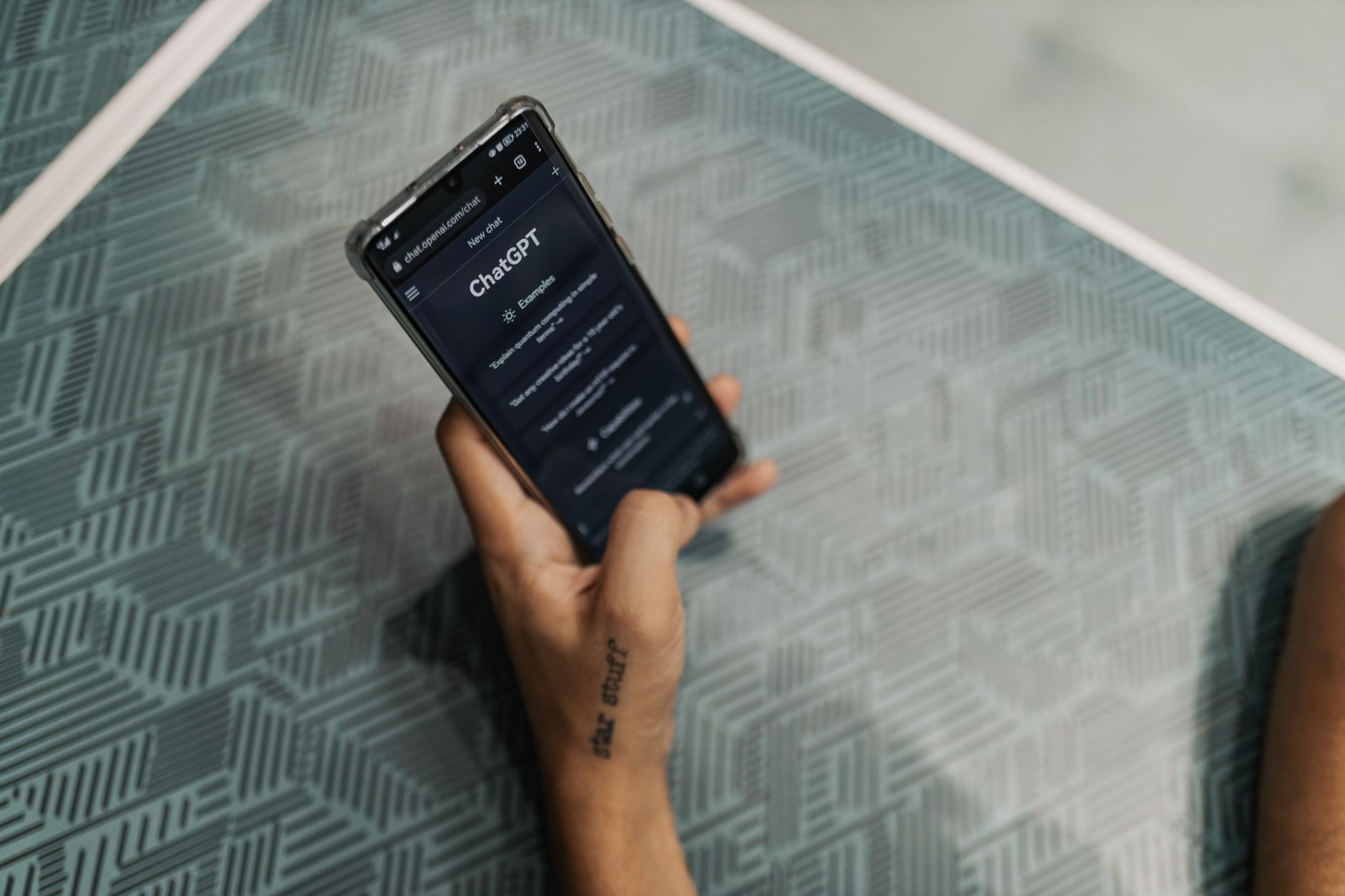
The Conversational Layer Nobody Optimized For
Search engine optimization took years to mature into an industry discipline. Social media content strategy took years after that. AI-native brand presence is following the same trajectory, just compressed. The brands that figured out early how to show up in Google results, or how to build a TikTok presence before it was crowded, consistently outperformed those that waited for consensus. My AI is creating a similar window – and most brands are not yet inside it.
What makes this different from traditional SEO is the conversational format. When a user asks My AI for a product recommendation, the response is not a ranked list of ten blue links. It is a direct, personalized reply that usually names one to three options and explains why. That context – the reasoning, the framing, the tone – carries weight in a way that a search result position does not. Being mentioned favorably in that reply, with accurate and positive framing, is a brand outcome worth pursuing deliberately.
Snap has been careful about how it positions My AI commercially. The chatbot has been tested with sponsored responses and brand integrations, allowing businesses to appear in relevant conversations. But even outside paid placements, My AI draws on publicly available information to shape its answers. That means a brand’s digital footprint – its website copy, its reviews, its social media presence, its press coverage – feeds into how the AI describes it. Brands with strong, consistent, well-distributed content tend to fare better in those descriptions than brands with thin or contradictory digital presences.
What Brands Are Actually Doing About It
The brands moving quickest on this are not necessarily the biggest. Smaller beauty and lifestyle brands with highly specific identities are finding that My AI responds well to clear brand language. When a brand’s entire digital presence – from its website FAQ to its Instagram captions – uses consistent terminology around its core product claims, that language tends to surface in AI-generated descriptions. It is a form of content coherence that has always mattered for SEO, but matters even more when a conversational AI is synthesizing that content into a single spoken-style reply.
Some brands are beginning to treat AI-readiness as a content brief requirement. That means writing product descriptions, landing pages, and social captions with an eye toward how an AI might summarize them, not just how a human might scan them. The difference in practice is subtle but real: fewer idioms, more declarative statements about what a product actually does, cleaner category language that maps to how users naturally phrase questions. A product described as “a lightweight moisturizer for oily skin” is easier for an AI to surface than one described with abstract lifestyle language that never names what it actually is.
The Youth Audience Factor
Snapchat’s audience composition is what makes My AI particularly strategic. The platform remains dominant among users between 13 and 24, a demographic that is simultaneously hard to reach through traditional advertising and deeply influential in shaping product trends. When My AI recommends something to a 17-year-old asking what to put in their gym bag or what lip color works for a school event, that recommendation lands in a context of trust. The user is in a private, conversational interface, not scrolling through a feed they have learned to treat with skepticism.
That trust dynamic is not incidental. My AI occupies a position at the top of the chat interface, above the user’s closest friends. Snap designed it that way intentionally, pushing the feature into daily habit territory. For brands, that placement means My AI interactions are happening inside the most intimate layer of the app, not in a discovery feed where advertising is expected and filtered out psychologically. A brand mention in that context carries a different register than a sponsored post in a Stories feed.
The practical implication for marketers is that optimizing for My AI is not a paid media question – it is a content infrastructure question. How your brand is described across the open web, how clearly your product claims are stated, how consistently your brand voice is maintained across every public-facing channel: these inputs shape AI outputs. Brands that have invested in editorial clarity and digital consistency are finding that this work pays dividends in conversational AI contexts they never directly targeted.
There is an unresolved tension worth sitting with, though. My AI’s recommendations are not fully transparent in how they are generated, and Snap has not published a comprehensive framework for how brand content influences chatbot responses outside of paid placements. That opacity means brands are optimizing somewhat in the dark, making educated inferences about what works rather than following a published rulebook. For brands accustomed to the relative legibility of social media algorithms, that ambiguity is uncomfortable – and the brands willing to experiment anyway are the ones building a head start before that rulebook ever gets written.