

The Clip War Nobody Saw Coming
Riverside.fm just dropped a clip maker feature that has podcasters quietly reconsidering whether they still need Descript in their workflow at all. The tool is sharper than most expected, and the timing could not be better for a platform already dominating the remote recording space.
What Riverside’s Clip Maker Actually Does
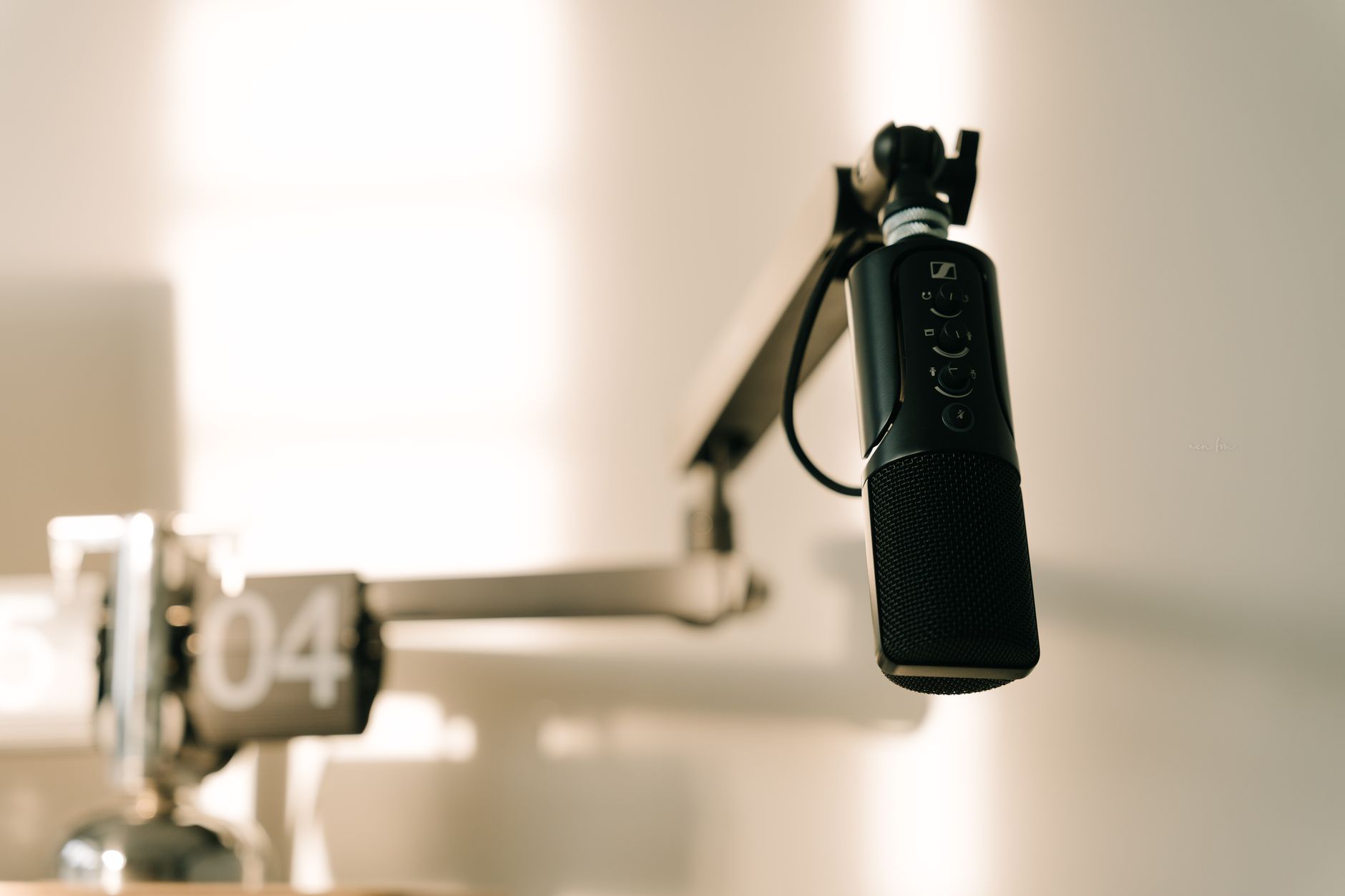
The feature pulls directly from recorded sessions inside Riverside’s studio environment, letting creators identify highlight moments and auto-generate short-form clips without ever leaving the platform. That sounds simple enough, but the execution matters. Riverside’s clip maker reads transcript data in real time, flags moments based on audience engagement patterns, and produces vertical, square, or widescreen cuts ready for Instagram Reels, TikTok, or YouTube Shorts – all with captions already burned in.
The interface is notably cleaner than Descript’s clip workflow. Descript built its reputation on its document-style editor, which is powerful for full episode editing but becomes genuinely clunky when all you want is a sixty-second moment from a ninety-minute conversation. Riverside’s clip tool skips that entire detour. You record, you clip, you export. The whole process happens inside one tab.
Caption quality is where Riverside has visibly invested. The transcription accuracy on the clip maker sits at a level that requires minimal manual correction, which is where most podcasters lose time. Every minute spent fixing “you’re” versus “your” in a caption is a minute not spent on the next episode. That friction reduction is the actual product being sold here, even if Riverside is marketing it as a feature.
The platform also introduced smart B-roll suggestions inside the clip maker, pulling from a library of licensed footage that can be dropped behind speaker moments automatically. This is a direct answer to the complaint that Riverside clips always looked raw compared to what a Descript user could produce with a bit of patience. The gap has narrowed considerably, and for creators who are not professional video editors, it may have closed entirely.
Why This Puts Descript in an Uncomfortable Position
Descript’s core value proposition has always been that it replaces multiple tools: a DAW, a video editor, a transcription service, and a clip creator, all inside one product. That bundling strategy worked beautifully when no single competitor could match it across all four functions. Riverside is not matching all four. It is doing something more targeted – it is becoming the best possible tool for the specific moment when a podcaster finishes recording and needs to produce social content immediately.
That moment is the one that matters most for growth. A podcast episode published without supporting clips loses roughly half its social reach potential before it even starts. Creators who clip consistently outperform those who do not, not because algorithms favor clips inherently, but because clips reach people who would never search for a podcast episode but will watch a thirty-second video on their feed. Riverside’s decision to make clipping effortless at the exact moment of recording removes the psychological barrier that stops most hosts from clipping at all.
Descript has responded to competitive pressure before – most recently by improving its Underlord AI suite, which automates filler word removal, eye contact correction, and scene detection. Those features are genuinely useful, but they target the editing phase, not the distribution phase. Riverside is winning the distribution phase right now, and that is where podcaster attention is shifting fastest.
Pricing is another layer of the tension. Descript’s Creator plan runs at a monthly cost that makes sense if you are using the full editor. If you are primarily using it for clips, the value calculation gets harder to justify against Riverside’s tiers, which fold clip creation into plans where recording quality was already the selling point. A creator paying for Riverside to record in studio-grade audio now gets clip creation included. Adding Descript on top of that becomes a harder sell every month.
There is also a workflow psychology argument here. Podcasters who record on Riverside already have their session files, their transcript, and their guest recordings all inside one dashboard. Opening a second platform to create clips introduces context switching – a small friction that, multiplied across every episode, adds up to a real time cost. Keeping everything inside Riverside is not just convenient; it changes how creators think about their post-production process entirely.
The Podcaster Who Wins From This
Independent podcasters and small production teams are the clear beneficiaries of this competitive pressure. Both platforms are being pushed to improve faster than they would in a calmer market. Riverside is sharpening its post-production tools. Descript will likely sharpen its recording or live-collaboration features in response. The creator sitting in the middle gets more capability at roughly the same price point, with less reason to stitch together three separate subscriptions to achieve a professional-looking output.

The more interesting question is what happens when Riverside extends this logic further. If the clip maker is phase one, phase two could reasonably include full episode editing inside the same environment – which would not just edge out Descript for clip creation but challenge it on its own turf. Riverside has not announced anything in that direction, but the pattern of the clip maker launch suggests a platform that knows exactly which wall it wants to knock down next.