



The Hashtag Tool Switch Nobody Saw Coming
Flick built its reputation as the go-to hashtag research platform for Instagram creators, but a growing number of content teams are quietly letting their subscriptions lapse. Publer’s AI Hashtag Suggester, a feature that once sat in the background of its broader scheduling suite, is now drawing direct comparisons to Flick – and not always in Flick’s favor.

What Publer’s AI Hashtag Suggester Actually Does
Publer is primarily known as a social media scheduling tool, but the AI Hashtag Suggester works differently from what most creators expect out of a scheduler add-on. Rather than offering a generic bank of popular tags, it analyzes the specific content of a post – the caption text, the topic, the platform – and returns hashtag recommendations calibrated to that exact piece of content. The logic is contextual, not categorical.
Flick’s approach, by contrast, centers on a research-first workflow. Users browse hashtag analytics, check competition scores, build saved sets, and assemble tag groups manually before attaching them to posts. It is a thorough process, and for creators who built their Instagram growth on data-heavy research, it became a trusted routine. The problem is that the routine takes time, and time is the one thing most solo creators and small teams genuinely do not have.
Publer’s model collapses the research phase into the drafting phase. While writing a caption inside the Publer dashboard, the AI reads what you have written and surfaces relevant hashtags without requiring a separate research session. For creators who post across multiple platforms on a weekly cadence, the reduction in workflow friction is noticeable. You write the post, you get the hashtags, you schedule – no tab-switching required.
The tool covers Instagram, LinkedIn, TikTok, and Twitter, pulling platform-appropriate suggestions rather than applying a one-size-fits-all tag list. A LinkedIn post about B2B content strategy will receive different recommendations than an Instagram Reel about the same topic, which is a distinction that matters for creators building audiences across separate channels with different community norms.

Why Creators Are Rethinking Flick
Flick’s strengths are real. Its hashtag analytics dashboard is detailed, its saved collections system is well-designed, and for creators who want granular data on hashtag reach versus competition ratios, it still delivers. None of that has changed. What has changed is how creators are thinking about whether they need that level of depth in a standalone subscription.
Publer’s pricing is the clearest pressure point. Flick operates as a dedicated hashtag and social analytics platform, priced accordingly. Publer bundles scheduling, AI caption writing, analytics, and the hashtag tool into a single subscription. For a creator who already needs a scheduler, paying separately for Flick starts to feel redundant when Publer’s hashtag suggestions are good enough for most publishing scenarios.
“Good enough” is doing real work in that sentence. Creators who test both tools often note that Publer’s suggestions lack the depth of Flick’s analytics – there is no breakdown of average reach per hashtag, no competition score, no historical performance data. What Publer offers instead is speed and integration. The question each creator has to answer is whether they actually use Flick’s deeper analytics or whether they use Flick mostly to generate a tag set, check a few numbers, and move on.
A growing number are concluding they fall into the second category. The appeal of a dedicated research tool diminishes when the research step was never the bottleneck in their workflow. For creators posting three to five times per week across two or three platforms, the integrated approach reduces the total number of tools in the stack, which has its own operational value beyond any single feature comparison.
This kind of tool consolidation is a pattern showing up across the creator tool landscape. Solo founders are already making similar trade-offs with scheduling and automation tools, choosing broader platforms over specialized single-purpose apps when the overlap in functionality crosses a certain threshold. Hashtag research, it turns out, has hit that threshold for a meaningful slice of Flick’s user base.
Where Publer Still Falls Short
The honest limitation of Publer’s AI Hashtag Suggester is that it functions as an assistant, not an analyst. Creators who run campaigns that depend on precise hashtag targeting – tracking which specific tags drive reach, monitoring niche community tags over time, or A/B testing tag sets across posts – will find Publer’s feature genuinely insufficient. Flick was built for that level of intentional research, and it shows in the product depth. Publer was not, and that also shows.
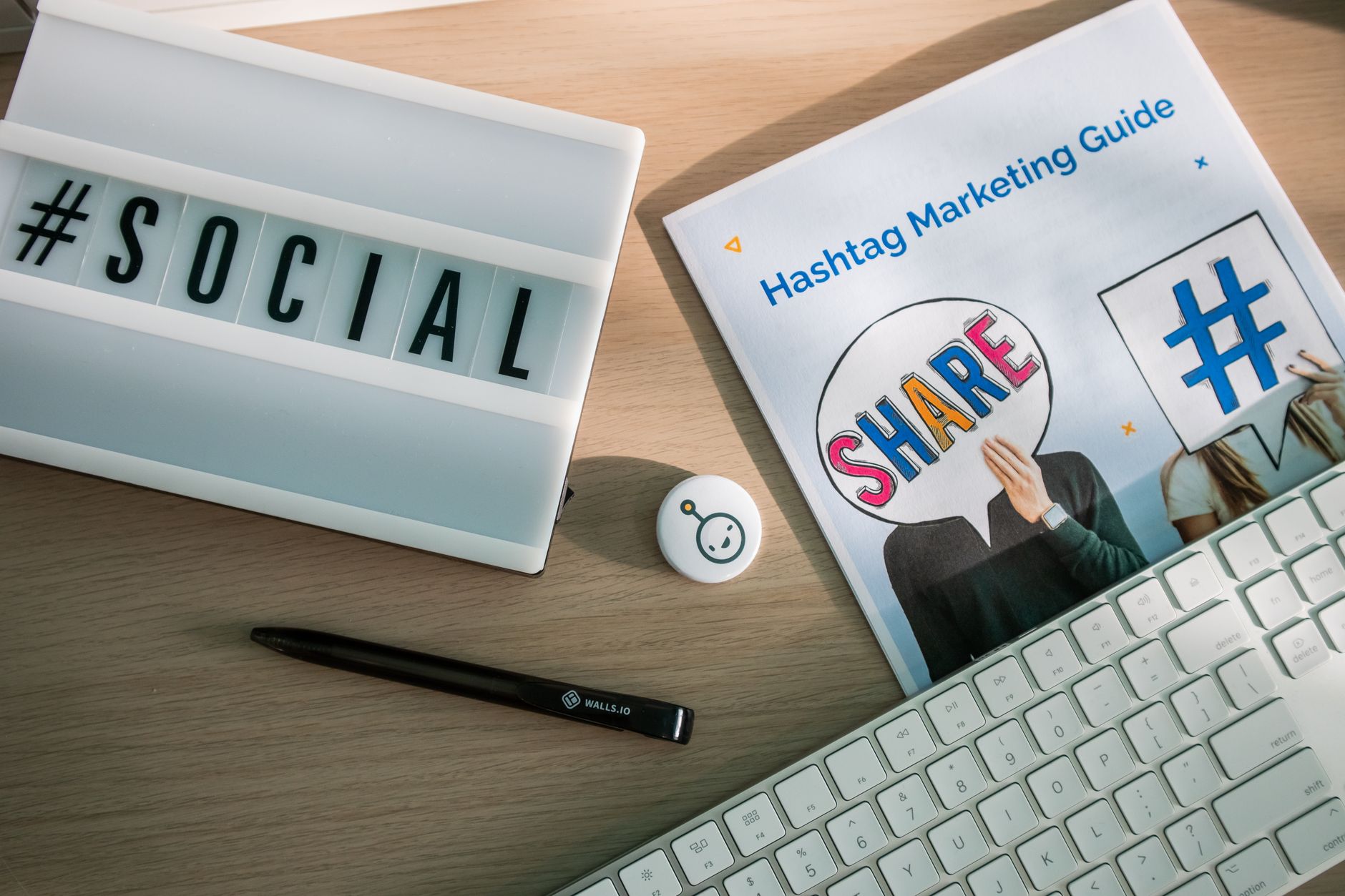
What makes the creator migration interesting is that it is not happening because Publer is better at hashtags. It is happening because Publer is good enough at hashtags while also being better at everything surrounding them. That is a different kind of competitive threat – one that does not require winning on the specific feature, only on the total package. Flick’s response to that pressure, whether through pricing adjustments, deeper platform integrations, or new feature development, will determine whether the migration stays gradual or accelerates into something more definitive.