



Pinterest Sees the Season Before It Arrives
Seasonal campaign timing has always been a guessing game dressed up as strategy. Brands pour budget into holiday pushes, back-to-school windows, and summer product launches based on calendar logic rather than real consumer signal – and Pinterest is quietly changing that math.

Why Pinterest’s Forecasting Works Differently
Pinterest Predicts, the platform’s annual trend forecasting report, pulls from search behavior that is fundamentally different from what Google captures. Google Trends reflects what people are searching for right now – it is reactive, surfacing interest that has already formed. Pinterest captures what people are planning for, often weeks or months before a purchase or project begins. When someone pins a holiday table setting in August, they are telling you what December looks like before September’s advertising cycle even starts.
The planning mindset baked into Pinterest’s user base is what makes its data structurally different. People come to Pinterest to organize future intentions – weddings, renovations, seasonal wardrobes, birthday parties. That forward-looking behavior creates a dataset that skews predictive rather than descriptive. A spike in Halloween costume pins in late July is not noise; it is a genuine leading indicator that costume-adjacent brands should be activating ad spend before the mainstream search surge hits.
Google Trends, for all its utility, primarily surfaces demand that exists today. It tells you what is already trending, which means the brands already advertising have likely beaten you there. By the time a seasonal keyword peaks on Google Trends, the CPM costs on search and social are climbing because everyone sees the same chart. Pinterest’s search data, by contrast, tends to show category momentum three to five months out, which gives brands enough runway to build creative, negotiate placements, and sequence content before competitors realize the window is opening.
The accuracy of Pinterest Predicts has become a quiet credibility point for the tool. The platform has reported strong year-over-year accuracy rates for its annual trend predictions, and while independent verification varies, a growing number of brand strategists are using it as a primary input – not a supplementary reference – for seasonal campaign calendars. That shift in how the tool is positioned within planning workflows is telling.
How Brands Are Using This Window
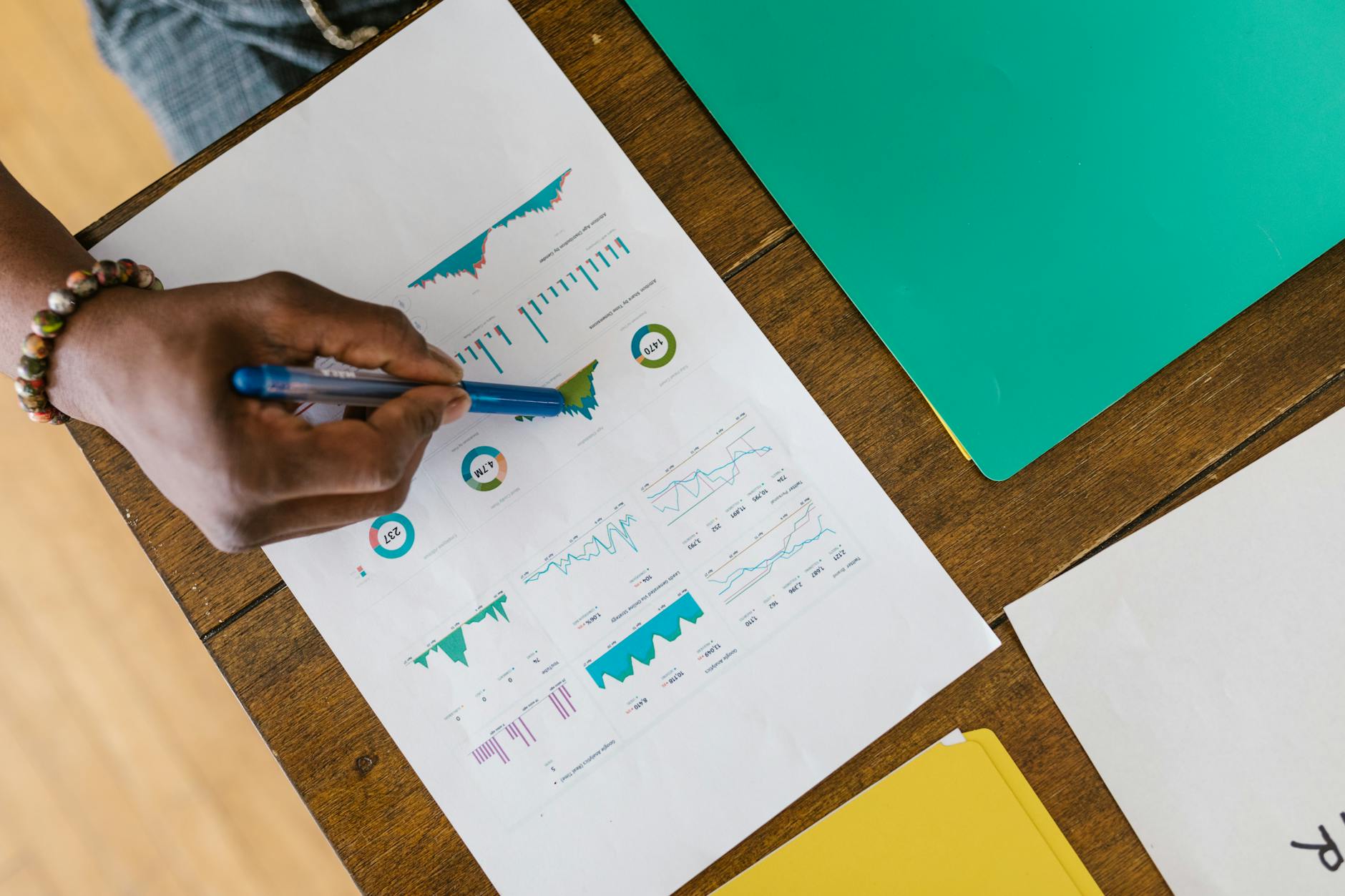
The practical application is simpler than most brands expect. Instead of starting a seasonal campaign brief with a Google Trends screenshot, smart teams now open Pinterest Trends – the always-on version of the data, separate from the annual report – and filter by category, country, and time range. What they find are search volume curves that peak before the equivalent Google Trends curve does, sometimes by as many as six to eight weeks. For categories like food and drink, home decor, fashion, and beauty, that lead time is the difference between owning a seasonal moment and chasing it.
Take holiday baking as a category. On Google, pumpkin spice-related searches typically spike in late September through October. On Pinterest, the same category begins accelerating in late July and hits meaningful volume through August – because people are already bookmarking recipes, planning hosting menus, and building grocery lists well ahead of the season. A food brand that starts its Pinterest campaign in August, when CPMs are lower and competition is thinner, can establish visual dominance in the category feed before a single competitor has launched their October push.
The same principle applies to fashion and apparel. Transitional dressing content – the visual category covering how to style fall pieces before temperatures drop – tends to surface on Pinterest in midsummer. Brands that wait for back-to-school Google Trends spikes are actually late to the conversation Pinterest users are already having. The platform’s category-level trend data also breaks down by age demographic and U.S. region, which adds a layer of targeting precision that generic search volume data simply does not offer.
Wedding and event planning categories reveal perhaps the starkest gap between the two tools. Engagement ring searches, floral arrangement saves, and venue inspiration pins all follow a planning timeline that is often 12 to 18 months ahead of the actual event. Google Trends data in this space reflects research-mode behavior – people who are actively comparing options. Pinterest captures aspiration and early-stage planning, which means a jewelry brand or bridal boutique that treats Pinterest data as a long-range signal can time content and ad sequencing to match the actual decision journey, not the last-mile search sprint.
There is also a content format advantage worth addressing directly. Pinterest’s trend data can be mapped against its own ad products – Idea Pins, promoted pins, shopping catalogs – in a way that creates a closed loop from insight to execution. When a brand identifies a trending aesthetic or search term within Pinterest Trends, they can immediately build content optimized for that specific keyword and surface it to the exact audience already searching for it on the platform. That kind of integrated workflow is harder to replicate when your trend data lives in one tool and your ad platform lives in another.
The Limits and the Honest Trade-Offs
Pinterest’s forecasting advantage narrows considerably for categories where its user base is thin. B2B products, software, financial services, and most professional categories do not have the density of planning-intent behavior that makes Pinterest data predictive. For those verticals, Google Trends remains the more reliable signal, and the planning-mindset logic simply does not apply in the same way. Pinterest’s strength is tied directly to its audience demographics and use cases – predominantly women, heavily weighted toward home, fashion, food, beauty, and lifestyle categories – and brands outside those lanes should not expect the same predictive edge.
There is also a meaningful difference between Pinterest’s free Trends tool and the richer data available through its advertising API and managed partnerships. Small brands working without a Pinterest business account or a dedicated analytics stack will see a limited version of the trend data – useful, but not the full picture. The most granular insights, including keyword-level volume breakdowns by geography and demographic, are gated behind ad spend thresholds or API access, which creates a real disparity between what enterprise brands can see and what an independent operator can access. That asymmetry is not unique to Pinterest, but it is worth factoring in before treating the tool as a universal equalizer.