



Pinterest Went Quiet, Then Came Back With Something Gen Z Actually Wants
Pinterest has spent years being dismissed as the platform for wedding mood boards and DIY recipes. That reputation may be officially outdated. The app’s collage feature – a tool that lets users cut, layer, and arrange images into freeform visual compositions – is pulling in a younger audience that most brands have stopped thinking about when it comes to Pinterest strategy.

What the Collage Feature Actually Does
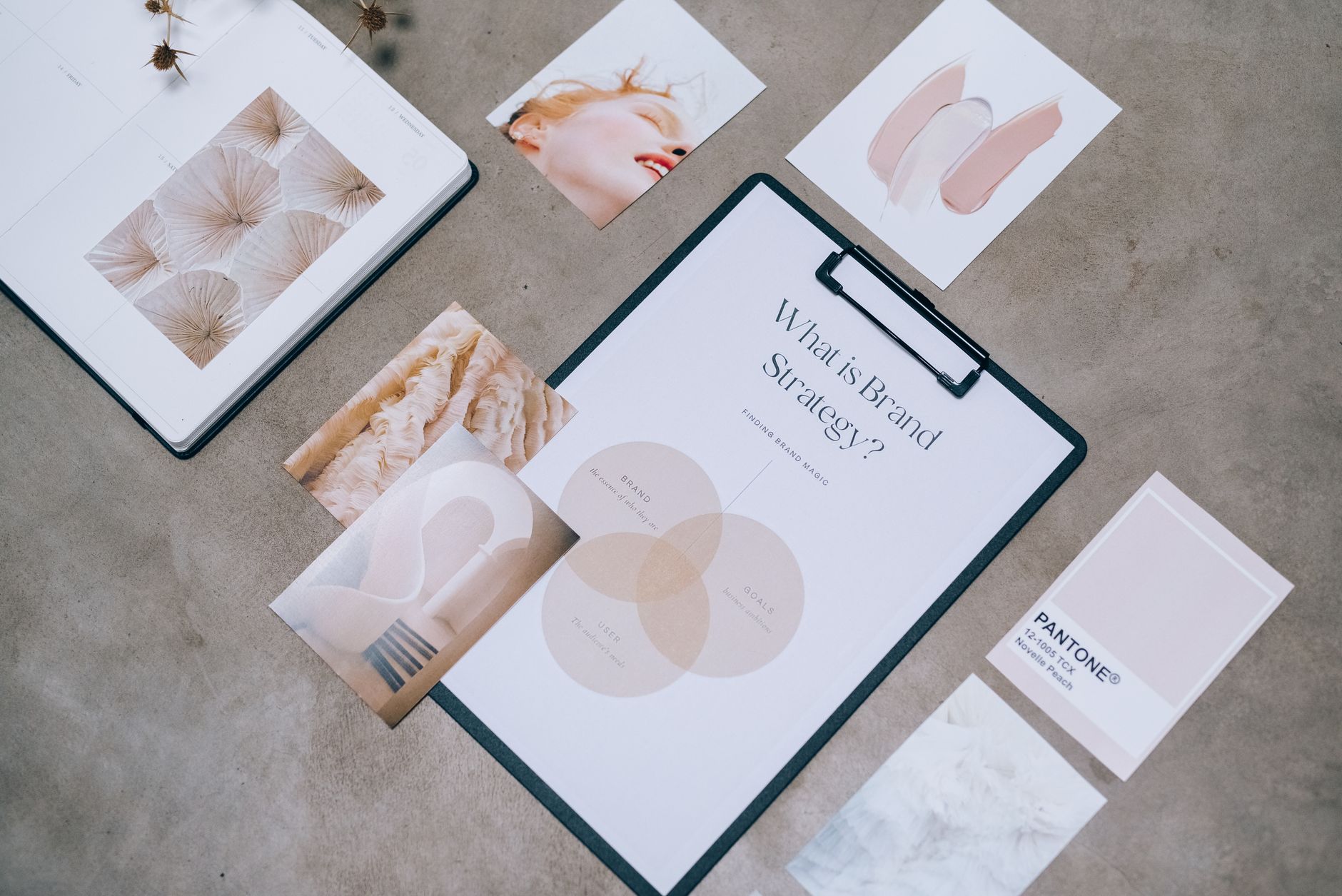
Pinterest’s collage tool works differently from a standard pin board. Instead of simply saving images to a grid, users can drag cutouts of products, photos, and design elements onto a canvas, resize them, overlap them, and create something that looks closer to a zine page or a mood board from a graphic design app. The result is tactile, personal, and highly visual – three things Gen Z responds to on social media.
The feature taps directly into a broader aesthetic movement that has been building on platforms like TikTok and Tumblr for several years now. Scrapbook culture, Y2K collage aesthetics, and physical zine-making have all had strong digital revivals. Pinterest did not create this trend, but it built a native tool that fits the format without requiring users to export their work from a third-party app like Canva or PicsArt first. That reduction in friction matters more than it might seem.
What makes collages share-worthy rather than just personally useful is their layered visual density. A standard pin is one image with a link. A collage is a statement – it communicates taste, references, and identity all at once. Gen Z, more than any previous demographic on social platforms, uses visual content as a form of self-expression that goes beyond showing off products or destinations. A collage about an apartment redesign communicates personality in a way that a saved furniture pin simply cannot.
Pinterest has also made collages discoverable in a way that standard boards are not. The app’s algorithm surfaces collages in home feeds, and because the format is visually distinct from regular pins, they tend to stop the scroll. For creators building a presence on the platform, this is a meaningful structural advantage. Pinterest is effectively rewarding the format with visibility.
Why This Matters for Brand Strategy Right Now
Brands that have been running Pinterest strategies focused on product pins and seasonal boards are working with a playbook that does not account for how younger users are actually using the app. Collages created by real users – not brand accounts – are what’s driving engagement in this format. That means the opportunity for brands is not to make collages themselves, but to be in the collages that users are making organically.
This is where product presentation becomes critical. When a user builds a collage around a fashion aesthetic or a room concept, they are pulling in images that already exist on the platform. A product image that is clean, well-lit, and visually flexible – meaning it can sit alongside other images without looking out of place – is far more likely to get cut out and used than a product shot that is heavy with branding, watermarks, or busy backgrounds. The brands showing up in Gen Z collages are not necessarily the ones with the biggest Pinterest budgets. They are the ones with the strongest visual product identity.
There is also a user-generated content angle worth considering. When a brand’s product appears in a user’s collage, that collage functions as a form of social proof embedded inside a creative act. It is more authentic than a repost and more personal than a tagged photo. Brands in sectors like fashion, beauty, home decor, and stationery are particularly well-positioned here because their products already carry strong aesthetic associations that lend themselves to collage-style curation. If you want to understand how UGC can work as social proof more broadly, turning existing customer content into social proof is a strategy that applies across channels, and Pinterest’s collage ecosystem is a new layer of that same logic.
The challenge for most brand teams is that collage engagement is harder to track than a click-through from a standard product pin. When someone includes your product image in their collage, there is no automatic notification, no affiliate link firing, and no conversion event being logged. Measuring this kind of brand presence requires a different mindset – one focused on reach and aesthetic association rather than direct attribution. That makes it difficult to justify in a performance marketing framework, which is exactly why many brands have not moved on it yet.
The brands that are experimenting with this format are treating it more like a brand awareness play than a sales channel. They are seeding high-quality, visually flexible imagery onto Pinterest, watching which images get repinned into collages, and using that signal to understand which visual directions are resonating with younger audiences. It is slower feedback than a paid campaign, but it reflects something real about how the product is perceived.
The Platform Bet Pinterest Is Making
Pinterest has consistently struggled to convert its massive image library into meaningful time-on-app metrics when compared to TikTok or Instagram. The collage feature is a direct response to that problem. By giving users a creative tool rather than just a saving mechanism, Pinterest turns passive browsing into active making – and active making keeps people on the app longer, with more investment in what they are building.

Gen Z does not need another feed to scroll. What they respond to is a platform that lets them make something. Pinterest’s bet is that a collage tool natively built into a visual search engine hits differently than trying to create the same experience inside a short-video app. Whether that bet holds depends entirely on whether the feature continues to get algorithmic support – because the moment Pinterest stops surfacing collages in discovery, the behavior will stall. Right now, the platform is actively promoting the format, which means the window for early brand positioning is still open.