

Most social platforms run on a clock. A post goes up, collects a burst of attention over a few hours, and sinks beneath the next wave of content. Pinterest runs on a different mechanism: people type a phrase into a search bar, and the platform returns images that match it. Nobody is waiting for a post to appear at the right moment.
That difference makes Pinterest the closest thing social media has to a slow-burning search engine.
It is also why the platform rarely makes headlines. There are no viral dances, no public feuds over algorithm changes, no screenshots of follower milestones. What happens instead is quieter and, for the right kind of publisher, more useful. A blog post, a product page, or a guide gets turned into a pin, the pin gets matched to a search, and a trickle of clicks begins that can continue long after the content calendar has moved on. Marketers chasing the daily churn of other feeds tend to overlook this, which leaves the channel less crowded than its traffic potential suggests.

Why Pinterest Behaves Like Search, Not a Feed
The clearest sign of Pinterest’s search behavior is the mindset of the person using it. Someone typing “small kitchen storage ideas” or “vegetarian meal prep for beginners” is usually in planning mode, collecting options for something they intend to do, buy, cook, or build. That intent is far closer to what a person brings to a search engine than to the idle scrolling that drives most social feeds. Pinterest reads the text attached to a pin to decide what it is about: the title, the description, the board it was saved to, and even the words overlaid on the image. A pin with a clear, keyword-aware title and a plain-language description gives the system something to work with. A pin with a clever caption and no searchable terms gives it almost nothing.
This is also where the evergreen quality comes from. On most platforms, distribution is tied tightly to the publishing date, so a post’s useful life is measured in hours or days. On Pinterest, distribution depends mainly on relevance to a query and on how people respond to the pin, which means an older pin can keep surfacing as long as the topic stays in demand. Saves act as a kind of feedback loop, telling the platform that the pin was useful enough to keep. Follower count matters far less than it does elsewhere, so a new account with a modest audience can still show up in results if its pins match what people are looking for. Seasonal topics return on schedule, and a well-built pin can be waiting when they do.
Pinterest also treats links as a normal part of the experience. Each pin is a visual doorway to a specific URL, which makes the platform behave like a referral source more than a place where audiences stay. Compare that with a network where the only clickable link lives in a profile bio and every post competes to push people there. On Pinterest, hundreds of individual pins can each point to a different page. That structure rewards sites with a deep library of useful content, and it quietly punishes thin pages that offer little beyond a catchy image.

Building an Evergreen Pinterest Workflow
The workflow starts with keyword research, and the tools are simpler than most marketers expect. The platform’s own search bar suggests related phrases as you type, the guided search chips under results show how people narrow a topic, and Pinterest Trends reveals when interest in a subject tends to rise. A practical habit is to map one target phrase to one destination page and one board, then write pin titles and descriptions in natural language that includes that phrase. Board names deserve the same attention, since a board called “Ideas” tells the system nothing while “Small Space Home Office Ideas” tells it exactly where the pin belongs. The goal is to make every piece of text on the pin do some work.
Creative production is the second half of the job. Pins perform best in a vertical format with text that stays legible on a phone screen and a clear promise of what the click will deliver, such as a checklist, a recipe, a template, or a step-by-step guide. Rather than posting one image per URL, many publishers create several variations with different headlines, color treatments, and layouts, then watch which ones attract saves and outbound clicks. Fresh designs pointing to the same page usually serve the channel better than repeatedly reposting an identical image. Steady output matters more than volume, because the system appears to favor accounts that publish consistently over those that dump a month of pins in a single afternoon.
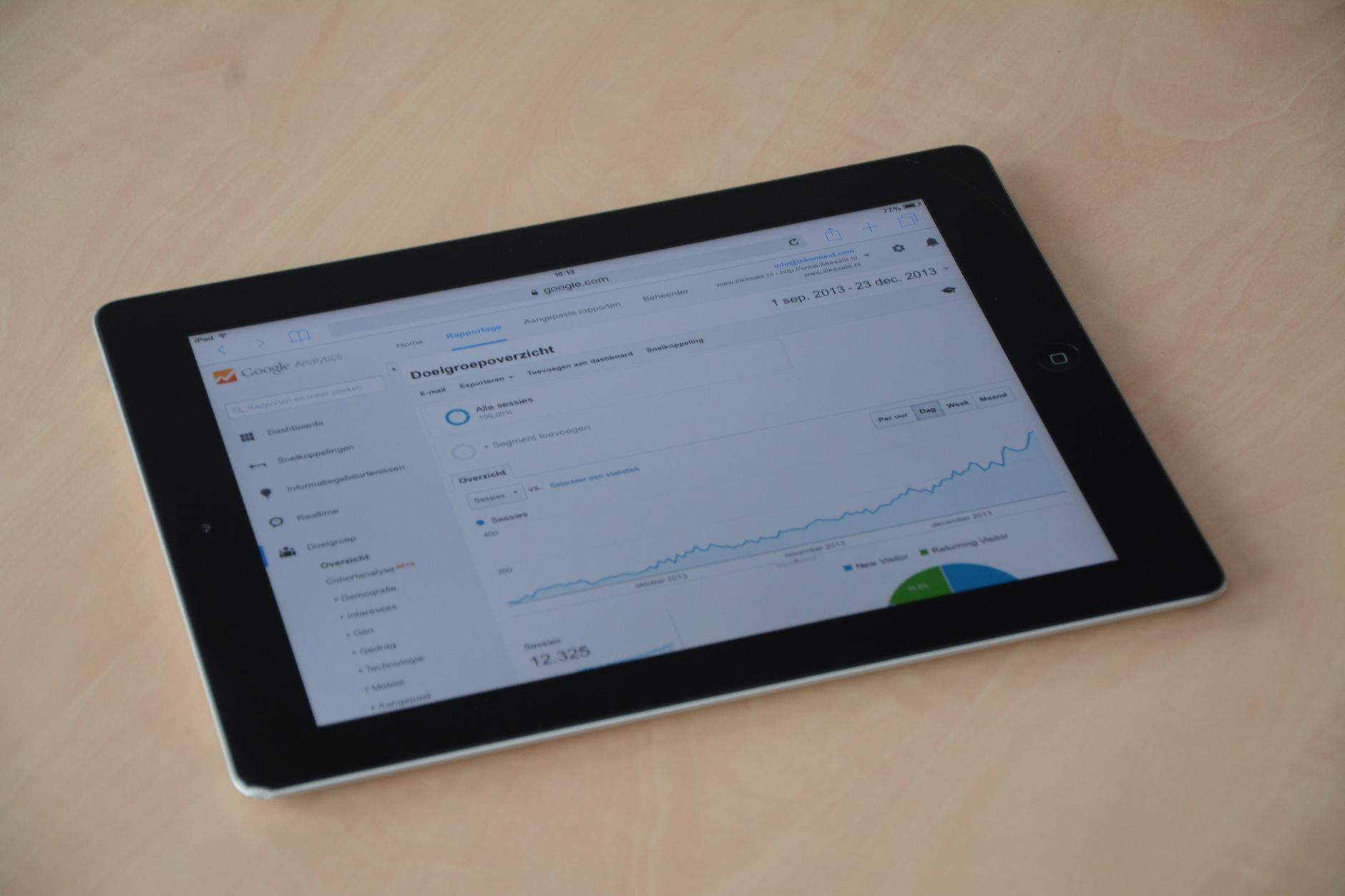
Measurement and honest limits complete the picture. Analytics should focus on outbound clicks, saves, and impressions tied to specific landing pages, since follower growth tells you little about whether the channel is paying off. Expect a slow start, because early pins often need weeks to find their audience before results become visible. Fit matters as well: home, food, fashion, weddings, crafts, and printable resources tend to suit the platform naturally, while fast-moving news or highly technical B2B topics often struggle for traction. Shortcuts such as buying artificial saves add little, since the system leans on how real searchers respond to a pin and a hollow engagement count does not produce a relevant click.
The Long Tail Pays Late
The uncomfortable part of Pinterest is the delay: a pin published today may do almost nothing for a month, then become the quiet top referrer for a page you had written off, and no dashboard will tell you in advance which one it will be.