

The Explainer Video Business Has a New Competitor
Explainer video studios built their business model on a simple truth: producing a clean, professional two-minute video is harder than it looks. Scripting, voiceover, stock footage sourcing, editing, timing – each step requires skill, time, and often a four-figure budget. Pictory, an AI-powered video creation platform, has spent the last few years quietly dismantling that argument, turning what once required a production team into a task that a solo marketer can complete before lunch.
The platform’s Auto-Video Builder works by taking text – a blog post, a script, an article URL – and converting it into a fully structured video with matched stock footage, auto-generated captions, background music, and voiceover options. No editing timeline. No frame-by-frame cutting. The output is not always cinematic, but for the kind of explainer content that brands post to YouTube, LinkedIn, and onboarding portals, it is more than adequate. And “more than adequate at a fraction of the price” is a serious competitive threat to any studio charging monthly retainers.
What Pictory’s Auto-Video Builder Actually Does
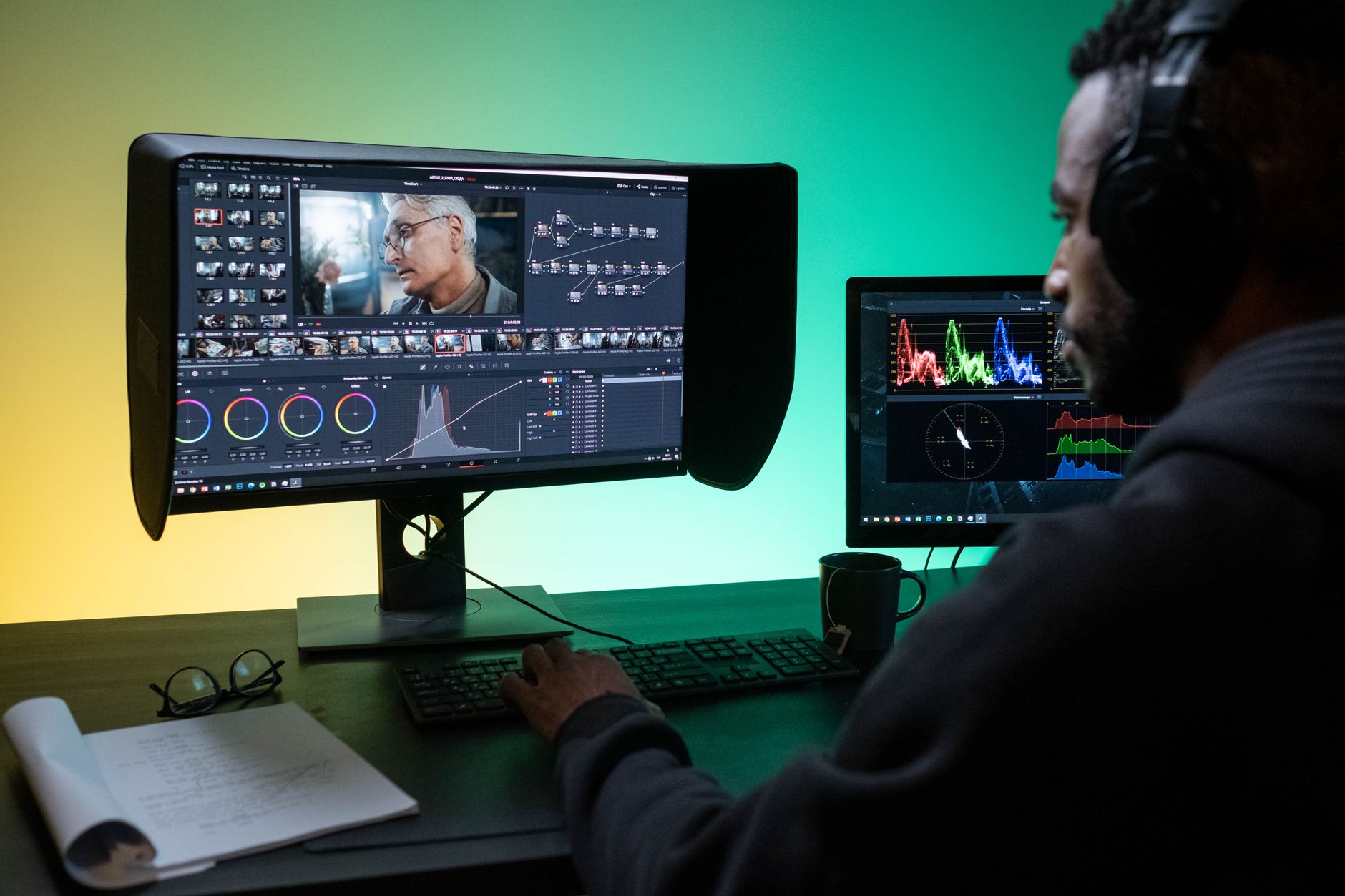
The workflow starts with text input. A user pastes in a blog post or drops in a URL, and Pictory breaks the content into scenes – short segments of text that it pairs with stock footage from its integrated library. The platform draws from a pool of licensed clips, so users are not managing separate subscriptions to Getty or Shutterstock. Each scene can be manually adjusted, but the auto-assigned footage is surprisingly coherent with the subject matter. A paragraph about cloud computing gets server rooms and network visuals. A paragraph about team collaboration gets office settings. It is not perfect, but it is fast.
Voiceover is where Pictory made a particularly aggressive move. The platform includes AI-generated voices that sound noticeably less robotic than what was available even two years ago. Users can also upload their own recorded audio and let the system sync it to the scene cuts automatically. For brands that want a consistent voice across dozens of videos without booking a voice actor each time, this feature alone changes the economics of video production. Add auto-captioning – which the platform handles with reasonable accuracy – and you have a package that would have required three separate tools and manual assembly just a short time ago.
There is also a script-to-video mode for users who want more creative control. This lets marketers write their own scene-by-scene copy and build the video around it, rather than letting the AI infer structure from long-form content. It suits product teams creating onboarding flows, HR departments producing training videos, or coaches building course content. The output looks professional enough that many audiences will not be able to identify it as AI-generated without close inspection.
Pictory also built in a highlights feature that works in reverse: drop in a long video file, and the platform identifies the most quotable or shareable moments and clips them automatically. This makes it useful not just for content creation, but for repurposing existing assets – a recorded webinar becomes six LinkedIn clips, a podcast episode becomes a series of audiogram-style shorts. That repurposing angle is where the platform quietly expands its footprint beyond what a traditional explainer studio would ever offer.

Why Studios Are Feeling the Pressure
Small and mid-size explainer video studios typically charge anywhere from a few hundred to several thousand dollars per finished minute of content, depending on complexity and turnaround. Their value proposition rests on craft – the kind of careful visual storytelling, custom animation, and brand-matched design that a template-based tool cannot replicate. That distinction still holds at the high end. But a growing portion of the explainer video market does not actually need custom animation or brand-specific illustration. It needs a professional-looking video that explains a concept clearly, lives on a product page or a YouTube channel, and gets made without a three-week production window.
That is exactly the use case Pictory serves. And when a SaaS company can produce twelve explainer videos a month for the cost of a single studio-produced one, the math starts winning arguments in budget meetings. Studios that relied on recurring explainer video contracts – particularly with smaller clients who needed volume over prestige – are finding that category of client harder to retain. Pictory did not steal those clients dramatically. It just made it easier for them to leave quietly.
The Limits That Keep Studios Alive
Pictory has genuine limitations that matter in certain contexts. Stock footage is stock footage – it cannot capture a specific product, a real office, or a brand’s actual team. Companies that need authentic visual identity in their videos still need a camera crew or at least a session with a professional. Custom animation, character illustration, and motion graphics are entirely outside what Pictory does. For explainer videos in competitive or regulated industries where credibility is communicated through production quality, the platform’s output may fall short of what a client expects.
Brand consistency is another real constraint. Pictory offers template customization – fonts, colors, logo placement – but a sophisticated brand guidelines document with specific visual rules will push against the platform’s flexibility. Agencies working with enterprise clients who have locked-down brand systems will not be handing those projects to an AI auto-builder anytime soon. The studio business is not disappearing – it is contracting toward the work that actually requires human creative judgment, which is a smaller portion of the total market than studios would prefer to admit.
There is also the question of differentiation. As more brands use Pictory, and as the stock footage library is shared across all users, there is a growing risk of visual sameness. Two competing SaaS brands could end up with explainer videos that use the same stock clips in the same sequence. Some production teams are starting to notice this overlap, and it is becoming a legitimate concern for marketing directors who want their video content to look distinct rather than algorithmically assembled. The irony is that the tool’s efficiency is also its most visible weakness – it produces videos that look like they came from the same place, because they did.

Where This Leaves the Market
The practical result is a market that is sorting itself into two tiers. At the top, custom explainer video production with animation, narrative structure, and brand-specific visual language – the work that still justifies agency pricing. Below that, a broad middle category of educational, onboarding, and product explanation content that Pictory handles well enough to remove budget justification for outsourcing. That middle tier was, for many small studios, the bread and butter of their client roster.
For individual marketers and small teams, Pictory represents something closer to creative freedom than a compromise. A content marketer who could never justify the budget for a monthly explainer video series can now produce one every week. A solopreneur building a course can create professional-looking video lessons without hiring anyone. The tool does not require video editing skills, which means it opens content formats to people who previously had no access to them at any price point.
The screen recording and video repurposing space is moving in the same direction – tools built for social teams are absorbing functions that once required dedicated production workflows. Pictory fits that same pattern: a single platform absorbing multiple production steps that were once distributed across several vendors. Whether studios adapt by moving upmarket – or by building Pictory-assisted production into their own workflows to reduce internal labor costs – the platform is already changing what clients expect to pay for a finished video.