

When the Search Bar Stops Being the Starting Point
Brand research used to follow a predictable pattern: open Google, type in a company name, scan the first page, click through three or four links, and spend twenty minutes triangulating what you actually wanted to know. That workflow is starting to crack. A growing number of marketers, journalists, and strategists are opening Perplexity instead – not because it’s newer, but because it answers the question directly rather than presenting a list of places that might answer it.
Perplexity is an AI-powered answer engine that pulls from live web sources and cites them in real time. Unlike ChatGPT, which can feel like a confident guesser, Perplexity links every claim to a verifiable source. That one structural difference changes how people trust it – and increasingly, how brand teams are using it to research competitors, track positioning, and understand how their own brand appears in AI-generated summaries.
What Brand Researchers Actually Do With It
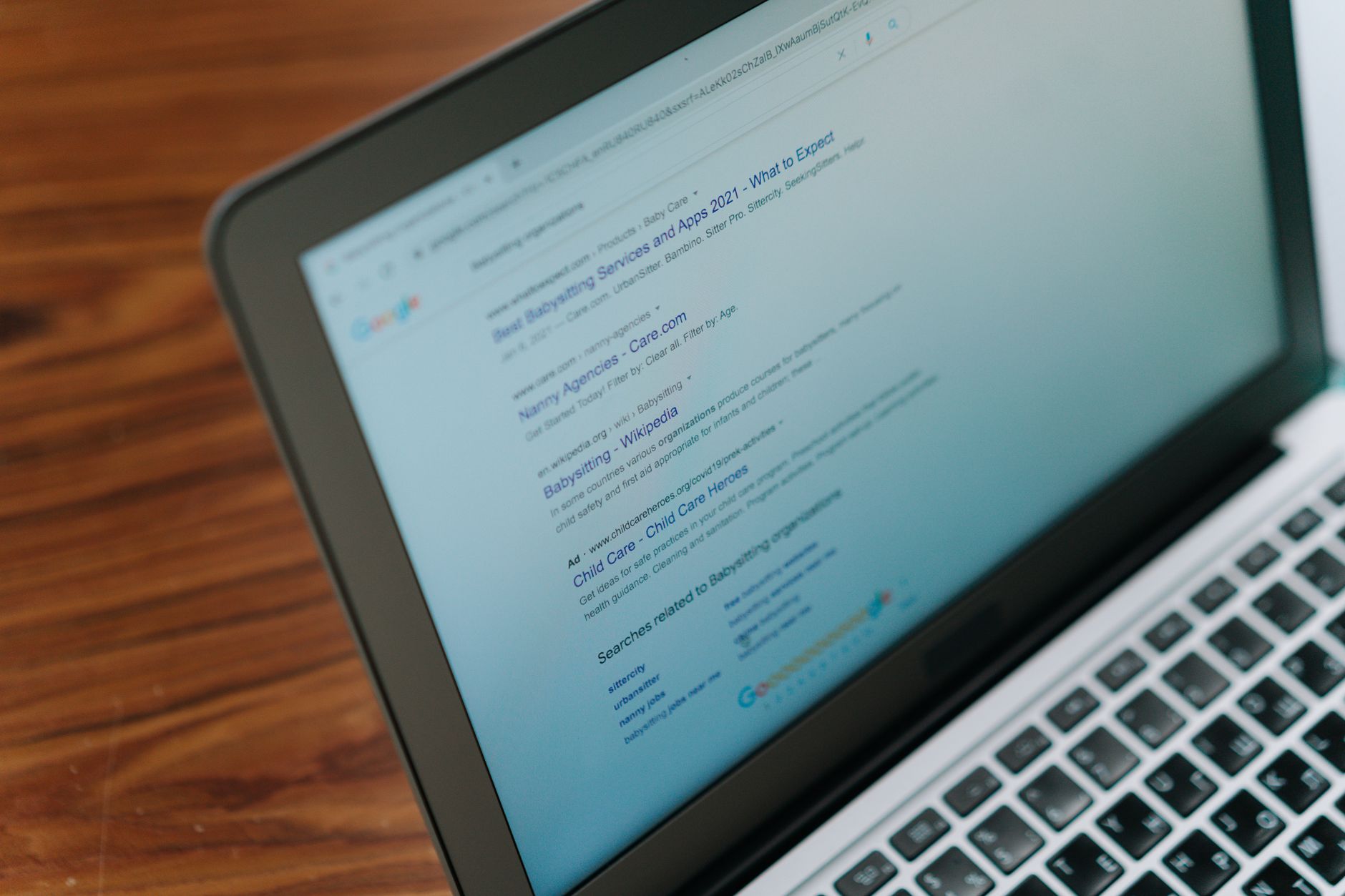
The primary use case isn’t exotic. Someone wants to know how a competitor is positioning their product, what reviews are saying across multiple platforms, or what the general market perception of a brand looks like at a given moment. In Google, this requires assembling fragments from Reddit threads, review sites, news articles, and brand pages. In Perplexity, it comes back in a single structured answer with citations attached – faster, and without the ad-saturated first page that Google now serves before any organic results appear.
Brand teams are also using Perplexity to check what the AI itself says about their company. This matters more than it might sound. As AI answer engines become a default research tool for buyers, investors, and partners, the AI-generated summary of your brand effectively becomes a first impression. If Perplexity describes a software company as “known for slow customer support” because it’s pulling from aggregated review content, that framing reaches the reader before any owned messaging does.
Some teams are running what amounts to a new kind of brand audit: querying Perplexity the way a potential customer or journalist might, then examining what sources it surfaces, what language it uses to describe the brand, and whether that narrative aligns with intended positioning. It’s a form of research that didn’t have a name eighteen months ago and now has a growing audience inside marketing departments.

Why Google Isn’t Going Anywhere (But Is Losing Ground Here)
Google remains dominant for discovery – finding products, comparing prices, local search, and anything where a human wants options rather than answers. But brand research is a different task. It’s not about finding ten links. It’s about synthesizing what exists into a coherent picture quickly. That’s precisely the task AI answer engines are built for, and where Google’s traditional format creates friction rather than removing it.
Google has responded with AI Overviews, its own attempt to generate summarized answers at the top of search results. The reception has been uneven. Users and brand professionals have noticed that AI Overviews sometimes produce inaccurate summaries with limited citation transparency. Perplexity, which was built around sourcing from the start, has a structural advantage in contexts where accuracy and traceability matter – which is exactly what brand research requires.
The Visibility Problem Nobody Talked About Until Now
For brands, the shift toward AI answer engines creates a visibility problem that’s distinct from traditional SEO. In Google, a brand can optimize its own website to rank well, control its homepage description in meta tags, and push positive content up the results page. In Perplexity, the answer is generated by the AI from across the web – and the brand has no direct lever to pull. What gets said about a company in Perplexity is a function of what review sites, news coverage, Reddit discussions, and third-party directories say, weighted by what the model treats as credible.
This means reputation management has a new surface. A brand that has excellent owned media but weak earned media – few press mentions, thin review volume, low forum presence – may perform poorly in Perplexity summaries even if its website is technically optimized. The AI doesn’t care about meta titles. It cares about the aggregate signal from the broader web. For many brands, auditing that signal is something they haven’t done systematically because there wasn’t a tool that made the gap visible before now.
There’s also an asymmetry in how negative content functions in AI-generated answers versus search results. On Google, a negative review article on page four has limited reach. In Perplexity, if that article is from a credible domain and directly addresses a query about the brand, it may be cited prominently in the answer – because the model is selecting for relevance to the question, not ranking by a domain’s authority hierarchy in the way Google’s algorithm does. Brands with skeletons in credible press archives are discovering this the hard way.

The practical response from forward-thinking brand teams involves two tracks. The first is aggressive expansion of earned media – getting the brand described accurately and positively in the kinds of sources AI engines trust: established publications, high-traffic review platforms, and forums with engaged communities. The second is regular Perplexity auditing, running brand-relevant queries the way a skeptical journalist or a first-time buyer would, and treating the AI’s answer as a mirror for what the web currently believes about the company. Neither of these is a new idea in isolation, but the urgency behind them is new. When a potential partner or investor queries your brand name in an AI answer engine and gets a three-paragraph summary before clicking a single link, the stakes of that summary are considerably higher than they used to be.
Frequently Asked Questions
Why are marketers using Perplexity instead of Google for brand research?
Perplexity synthesizes information from across the web into a single cited answer, removing the need to click through multiple links. It’s faster for understanding brand perception and competitor positioning.
How does Perplexity affect a brand’s online reputation?
Perplexity generates summaries from third-party sources like reviews, press coverage, and forums – not from a brand’s own website – so brands with weak earned media may be described inaccurately or negatively.