

The Quiet Defection Happening Inside Video Teams
Video editing workflows are notoriously sticky. Once a team builds its clip review process, approval chains, and export habits around a single tool, switching feels like pulling a thread from a knit sweater. That is exactly why the slow migration away from Vizard and toward Opus Clip’s Scene Detector is worth paying attention to – not because it is loud, but because it is not.
Opus Clip has spent the last year building features that solve the specific frustrations video teams live with daily: inconsistent cut points, wasted hours scrubbing timelines, and clips that need manual trimming before they feel social-ready. The Scene Detector, in particular, attacks the part of long-form-to-short-form production that most tools treat as an afterthought.
Vizard was never bad. It became the default for a lot of teams precisely because it worked.
What Scene Detector Actually Does Differently
Most AI clipping tools identify highlights by scanning for keywords, tracking audio peaks, or hunting for moments where a speaker says something high-energy. The output is usually a ranking of moments by perceived importance, and the editor still has to go through and decide what to cut. Opus Clip’s Scene Detector approaches the problem from the visual layer first. It reads scene transitions, camera cuts, and visual context changes to understand where one coherent unit of content ends and another begins – before it even touches the transcript.
The practical difference is significant. A podcast converted into talking-head clips might have five to ten interesting transcript moments, but only two or three of them have natural visual entry and exit points. Scene Detector helps the tool understand that distinction. The result is clips that feel less like excerpts and more like self-contained segments. For social video, where the first two seconds either hold the viewer or lose them, that structural accuracy matters more than caption accuracy or audio enhancement.
Vizard’s workflow, by contrast, still leans heavily on the transcript-first model. That approach works well for interview formats and structured content, but it shows its limits when editors deal with B-roll-heavy productions, documentary-style footage, or branded content where the visual storytelling does not follow speech patterns. Those are exactly the content types that brand teams and agency editors are increasingly producing, which is where the friction started.
Why Teams Are Not Announcing the Switch
Tool migrations in content teams rarely generate announcements. There is no press release when a social media manager quietly installs Opus Clip on a Tuesday afternoon and stops logging into Vizard. The switch happens at the individual level first – one editor finds something faster, mentions it in Slack, and three weeks later the whole team has adopted it without a formal decision being made.
That pattern is accelerating because Opus Clip’s pricing structure is designed to encourage exactly that kind of organic spread. Free tier access lets an individual editor test Scene Detector on real projects without getting approval from a budget holder. By the time the team standardizes on it, the tool has already proven itself through actual production work rather than a demo. Vizard offers trial access too, but the feature set comparison at the entry level now favors Opus Clip for teams doing multi-format output – vertical, square, and widescreen cuts from the same source file.
There is also the question of what the tools prioritize in their development cycles. Opus Clip has been shipping updates aimed squarely at production efficiency: auto-reframing for different aspect ratios, AI-generated B-roll suggestions, and now the Scene Detector that reduces manual timeline review. Vizard’s recent updates have focused more on collaboration features and caption styling. Neither direction is wrong, but they signal different assumptions about who the primary user is. Opus Clip is building for the editor who produces volume. Vizard seems to be building for the team that needs to review and approve.
The Workflow Math That Makes This a Real Threat
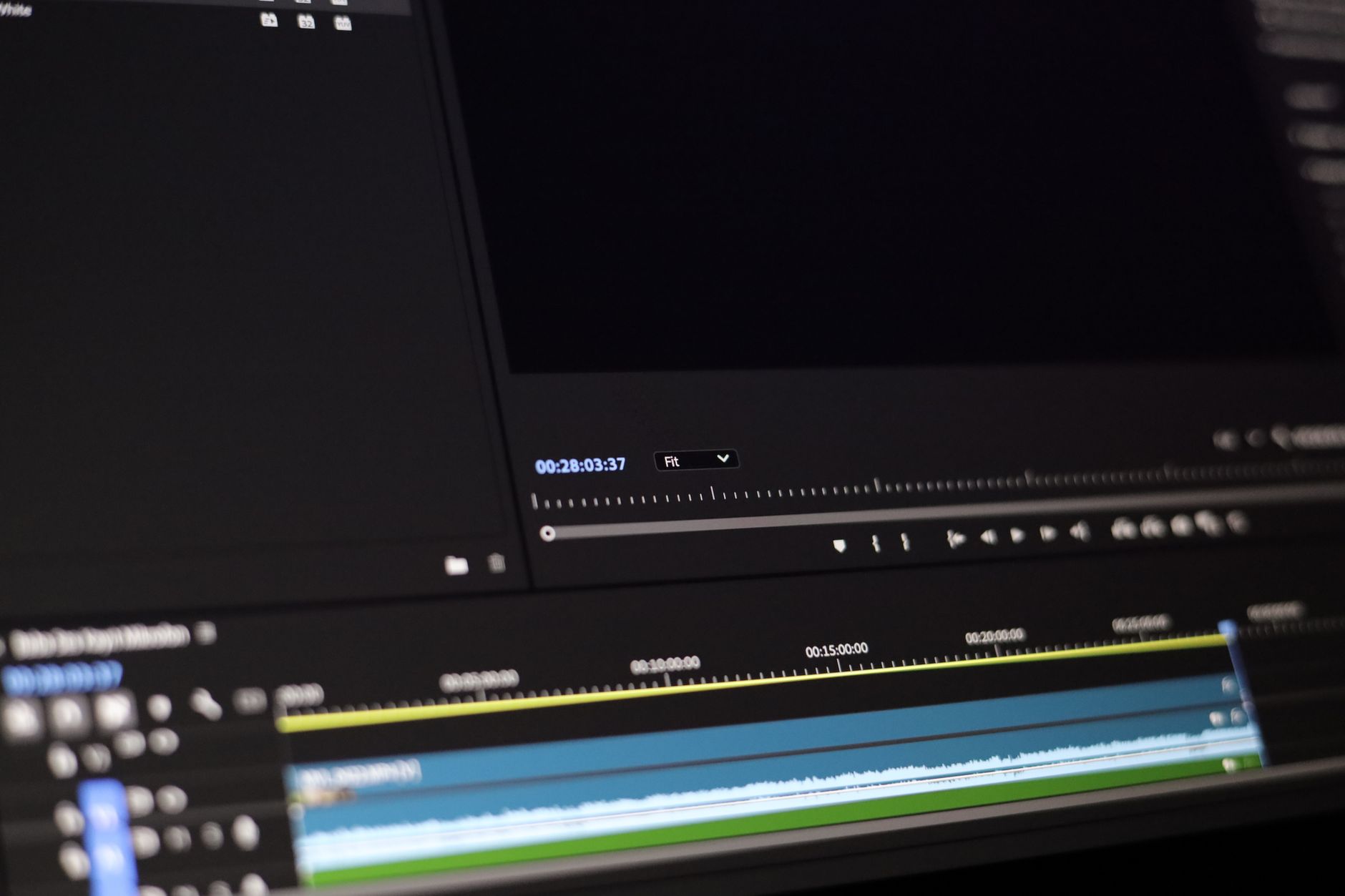
For a video team producing three to five long-form pieces per week – a common cadence for mid-size brands and agencies – the time saved by accurate automated scene detection adds up quickly. Manual timeline review for a forty-minute webinar or a thirty-minute interview recording can take an experienced editor forty-five minutes to an hour just to identify candidate clip start and end points. Scene Detector collapses that to a review of pre-identified segments rather than an open-ended search through a timeline.
That is not a marginal efficiency gain. It changes how editors structure their entire day, and it changes how many projects a single person can handle without quality dropping. When one tool allows an editor to process two extra projects per week without working extra hours, the case for switching becomes very difficult to argue against – even when the team has years of Vizard muscle memory.
The smarter play for Vizard would be to deepen the collaboration and review features it has been building, because that is where Opus Clip is genuinely weaker. Shared review links, time-coded feedback, and approval workflows are things agency teams need that Opus Clip has not prioritized. If Vizard can hold the project management layer while Opus Clip wins the clip generation layer, both tools survive in the stack. But if Vizard tries to compete on raw clipping speed and scene accuracy without significant investment in its detection engine, the comparison only gets less favorable over time.

The editors who switched six months ago are not going back – and the editors who are still comparing both tools are running out of reasons to wait.