


The Link-in-Bio Race Has a New Front-Runner
For a while, Shorby held a comfortable position as the go-to link-in-bio tool for creators who wanted more than a basic landing page. Its smart pages, messenger integration, and RSS feed blocks made it feel like a proper mini-site inside a single Instagram link. But a growing number of creators – particularly those already scheduling through Later – are quietly dropping their Shorby subscriptions and rebuilding their link pages inside Later’s native bio tool instead.
The shift is less about Shorby doing something wrong and more about consolidation fatigue. Paying for a scheduler, a link page tool, and an analytics platform separately adds up fast. When one tool can cover all three with enough depth to satisfy most use cases, the math stops making sense for individual creators and small teams.
What Later’s Link-in-Bio Actually Offers
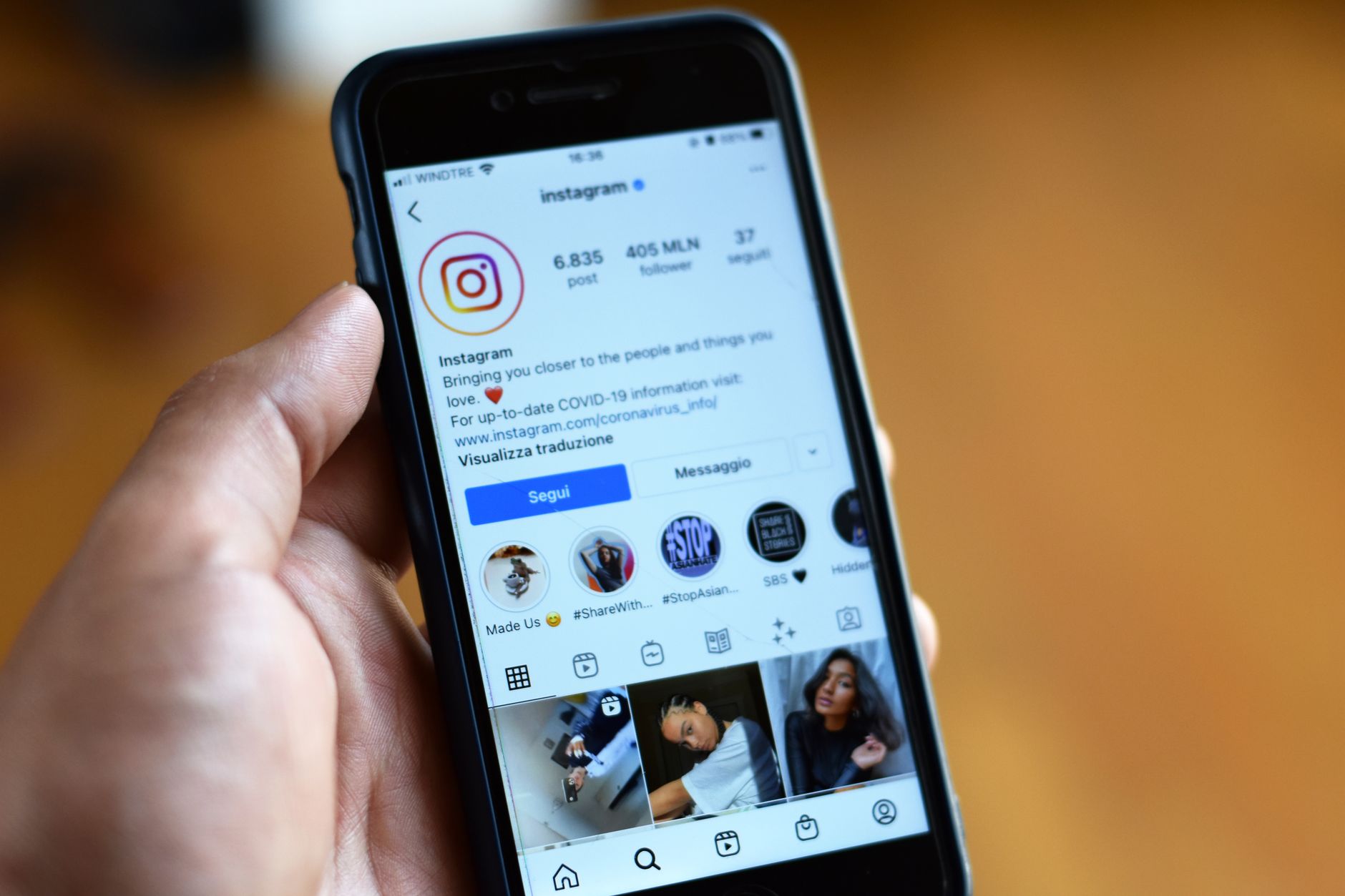
Later’s link-in-bio feature, called Linkin.bio, connects directly to a creator’s scheduled Instagram and TikTok posts. When a post goes live, a matching clickable tile appears on the bio page automatically – no manual updating required. For creators who post consistently, this means their bio link page is always current without any extra work. That automation alone removes one of the more tedious micro-tasks in a creator’s weekly routine.
The page builder itself supports product links, custom buttons, YouTube embeds, and email capture blocks. It is not as deep as a full website builder, but it covers the scenarios that matter for most creators: directing followers to a shop, a newsletter, a latest video, or a booking page. The analytics tie directly into Later’s broader dashboard, so traffic from the bio link is tracked alongside post performance, follower growth, and engagement data in one place.
Later also offers custom domain support on paid plans, which lets creators publish their bio page at their own URL rather than a generic later.com subdomain. That detail matters more than it sounds. A creator sending followers to a branded URL looks more professional in pitches to sponsors, and it removes any visible dependency on a third-party tool from the public-facing link.
Where Shorby Still Holds Ground
Shorby is not disappearing from creator toolkits entirely. Its messenger link feature – which bundles WhatsApp, Telegram, and direct message shortcuts into a single tap – still has no direct equivalent inside Later’s bio pages. Creators who use messaging apps as a primary sales or community channel, common in certain niches like coaching and consulting, are not getting that functionality from Later yet.
Shorby’s RSS block is also worth mentioning. Creators who publish frequently to a podcast or blog can pull their latest content automatically into a Shorby page without any scheduling connection. Later’s automation is post-driven, which means it works best for Instagram and TikTok. If a creator’s primary content lives outside those platforms, the automated tile feature loses most of its appeal.

Why the Consolidation Logic Is So Strong Right Now
The creator economy has matured to the point where tool overhead is a real cost consideration. In the early days of the link-in-bio category, adding a dedicated tool for five dollars a month felt like nothing. Now creators are also paying for editing apps, email platforms, scheduling tools, analytics dashboards, and affiliate tracking systems. Trimming any line item that can be absorbed into an existing subscription is a straightforward business decision.
Later’s pricing already includes Linkin.bio at most paid tiers, which means creators who are already paying for Later’s scheduling features are getting the bio page at no additional cost. Shorby starts at a separate monthly fee on top of whatever scheduling tool a creator uses. When the functionality overlap is significant enough – and for most creators, it is – keeping both subscriptions becomes hard to justify.
There is also a workflow argument that goes beyond pricing. Every tool switch during a content day creates friction. Logging into Later to schedule posts, then switching to Shorby to update a link block, then heading to a separate analytics platform to check traffic is three different contexts for what should feel like one connected task. Creators who have moved to Later’s integrated system consistently describe the reduction in tab-switching as a bigger quality-of-life improvement than they expected.
The platform integration angle matters too. Later has been expanding its native analytics depth, which means the bio link data does not sit in isolation – it connects to the broader picture of which posts drive clicks, which content formats move followers to act, and which posting times generate the most bio traffic. Shorby’s analytics are functional, but they are standalone by nature, requiring creators to manually cross-reference data from their scheduler to make sense of what is driving results. That extra step compounds over time into a meaningful difference in how quickly a creator can act on what the data shows. For teams already evaluating alternatives to Later for specific Instagram functions, the bio tool integration is often the feature that keeps them from switching away entirely.
The real question for creators sitting on a Shorby subscription right now is not whether Later’s bio tool is better in every category – it is not – but whether the specific features Shorby offers beyond Later’s scope are worth a second monthly bill. For most creators running standard content funnels toward a shop, a newsletter, or a media kit, the answer is increasingly no.