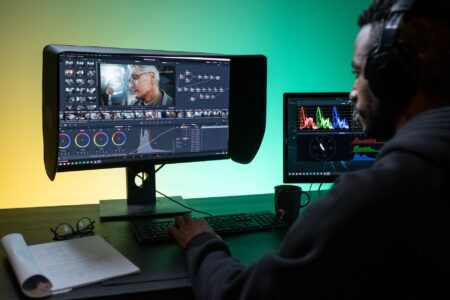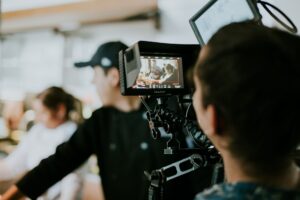



The Storyboard Workflow Is Getting an AI Upgrade
Short-form video production has always had a storyboarding problem. The tools built for it – dedicated apps like Storyboarder, frame-by-frame sketch software, or even just a whiteboard – were designed for film crews with time and budgets. Reels teams rarely have either. A single creator or a two-person content studio needs to go from concept to shooting in hours, not days, and the old workflow simply does not support that speed.
Kling AI’s Storyboard Mode is changing that calculus. The feature, built into the broader Kling AI video generation platform, lets users map out shot sequences, generate visual frame references from text prompts, and iterate on scene composition before a single real-world camera gets picked up. What started as an AI video generation tool has quietly become the planning layer that fast-moving Reels teams are actually using.
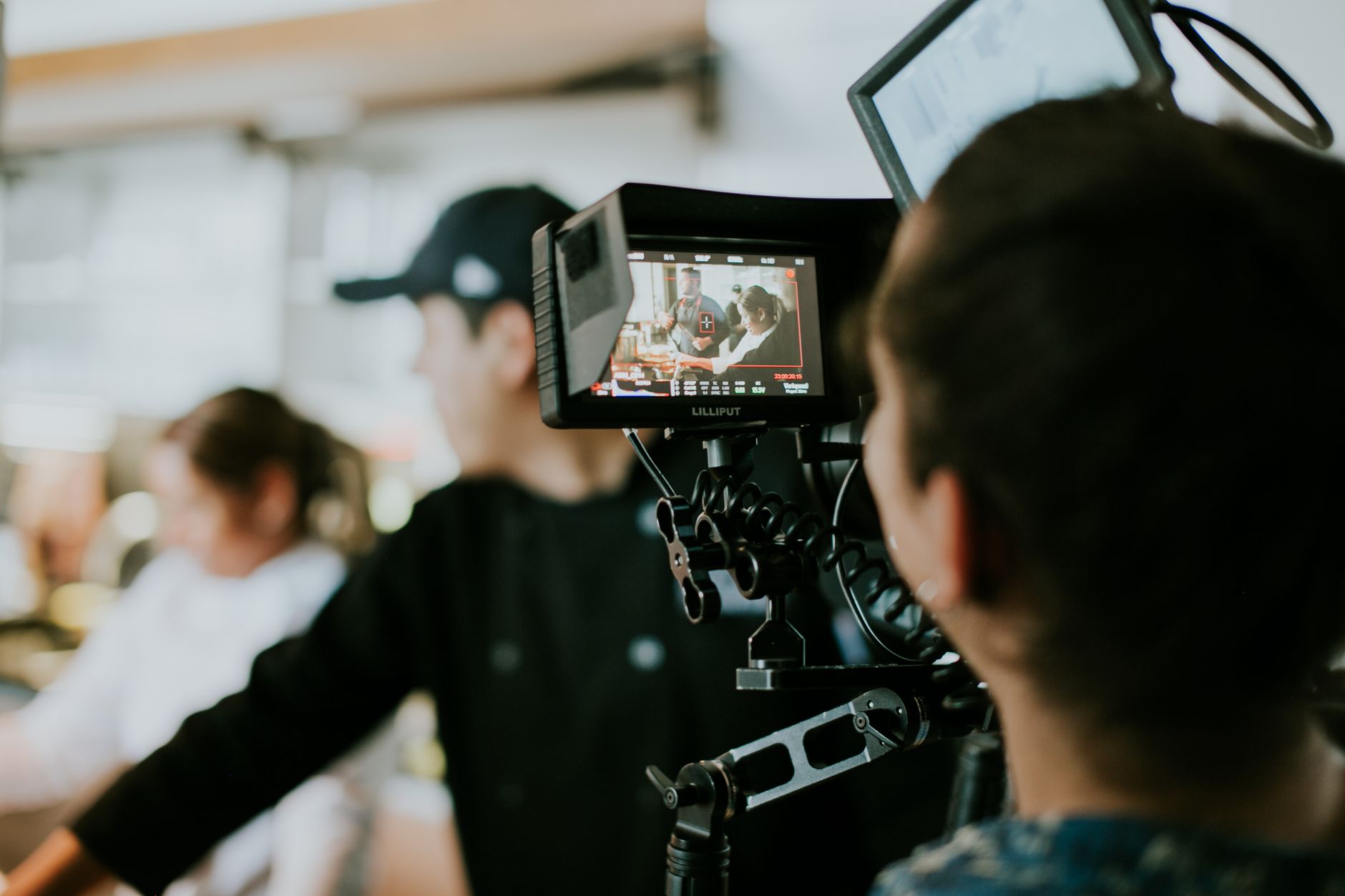
What Storyboarder Was Built For – and Where It Fell Short
Storyboarder, the open-source tool from Wonder Unit, built a loyal following among indie filmmakers and animation teams. It offered clean frame sketching, shot duration controls, and basic camera notation. For scripted productions with defined pre-production phases, it worked well. The problem is that most Reels content does not have a pre-production phase. It has a trending audio clip, a deadline, and a phone.
Reels teams working on brand content or creator channels found Storyboarder’s workflow misaligned with how short-form video actually gets made. You are not drawing frames by hand when you have four hours to post. The tool required a kind of deliberate slowness that the format actively punishes. A growing number of content teams started treating storyboarding as optional rather than fix the tool problem – until AI-generated visuals made skipping it feel less necessary.
Kling AI addresses this by collapsing the gap between ideation and visual reference. Instead of sketching a frame or describing it in a shot list, a user types a prompt – “close-up on hands unwrapping product, warm kitchen light, shallow depth of field” – and gets a generated frame that approximates the intended shot. That frame becomes the storyboard. The friction disappears because the output is already visual, already close to what the final shot might look like, and already shareable with a brand client or collaborator who cannot read a shot list.
Speed as a Feature, Not Just a Benefit
The real competitive edge Kling AI’s Storyboard Mode holds over standalone tools is that it lives inside a video generation platform. Once frames are approved, the same environment can begin generating motion test clips, animating the storyboard into rough animatics, or producing B-roll concepts. There is no file export, no app switch, no “send this to the editor” handoff. The storyboard and the production pipeline are the same tool.
This matters especially for solo creators running brand deals. Someone managing their own Reels content for a sponsorship – a product review, a tutorial, a lifestyle integration – can use the storyboard to pitch the concept to the brand before shooting, then use the generated frames as shot references on the day. That two-step process used to require separate software and often a separate person.

Why Reels Teams Are Making the Switch
Reels production has its own visual logic – vertical framing, first-three-second hooks, motion that reads well on mute. Generic storyboarding tools were not built around these constraints, and the teams using them had to mentally translate. Kling AI’s prompting system can be tuned to vertical output, specific aspect ratios, and motion-forward compositions. The generated frames already account for how the content will be consumed, not just how it will be shot.
There is also a collaboration dimension that older tools missed. Reels teams often work asynchronously – a strategist in one time zone, a shooter in another, a brand client reviewing from a third. A generated storyboard frame communicates intent instantly and without interpretation. A sketched frame can mean different things to different people. A photorealistic AI-generated image of a specific lighting setup does not leave much ambiguity.
The approval cycle shortens dramatically when clients can see something close to the final visual before production starts. Brand managers are not trained to read traditional storyboards, and asking them to imagine how a rough pencil sketch translates to a polished Reel creates unnecessary back-and-forth. AI-generated frames close that communication gap by showing rather than describing. Teams report fewer revision requests post-shoot when the pre-production visuals are specific enough to set accurate expectations.
The deeper shift is about where creative decisions get made in the production process. With Storyboarder and its predecessors, most of the real visual problem-solving happened on set – the storyboard was guidance, not a contract. With Kling AI’s approach, teams are locking in more decisions earlier, which reduces costly on-set improvisation and makes shoots faster. That efficiency does not just save time. For a creator running multiple brand deals simultaneously, it is the difference between a sustainable workflow and burnout. The question now is whether traditional production software companies respond with AI integrations of their own, or whether the gap between what they offer and what tools like Kling AI already do becomes wide enough to matter.