



Testing Content Without the Guesswork
A/B testing has always been the backbone of smart content strategy, but on Instagram, it historically meant posting two versions of content on separate accounts, waiting days for organic data, and still guessing which variables actually moved the needle. Trial Reels changes that equation in a direct, structural way. The feature lets creators and brands publish a Reel to a non-follower audience first – essentially a test group – before deciding whether to share it with their full following. No third-party tools required, no workaround necessary.
This matters because the biggest friction in social content testing has always been risk. Posting an underperforming video to your full audience doesn’t just waste a publishing slot – it can suppress reach on your next post through algorithmic feedback loops. Trial Reels sidesteps that problem by design. The test audience is real, the engagement signals are authentic, and your core follower base never sees content that doesn’t clear your own performance threshold.
The feature quietly shifts what “publishing” means on Instagram.

How Trial Reels Actually Work in Practice
When a creator uploads a Reel with the Trial Reels toggle enabled, Instagram distributes it to users who don’t follow that account. These viewers are drawn from the broader Reels discovery ecosystem – the same pool that powers the Explore and Reels tabs. The creator can then monitor watch time, likes, comments, and shares over a set window (typically 24 hours) before deciding to share the Reel broadly or leave it as a trial-only post. Instagram also offers an auto-share option, which triggers a full publish if the Reel hits a performance threshold the creator sets in advance.
The auto-share function is where professional content teams are finding the most value. Rather than requiring a team member to manually review analytics and pull a trigger, the system can run on its own logic. A brand running three or four Reel variations per week can set benchmarks based on past performance and let the algorithm determine which pieces deserve promotion. This kind of systematic filtering would have required expensive third-party software or dedicated analytics staff in previous years.
What’s worth understanding here is that Trial Reels doesn’t just help brands test finished content – it changes how content gets made. Knowing that a low-stakes audience will evaluate a video first gives creative teams permission to experiment with formats, hooks, tones, and lengths that they might otherwise avoid. The psychological barrier to posting something unconventional drops significantly when your main follower count isn’t immediately on the line.

What This Means for Content Strategy
The most direct application is headline and hook testing. The first one to three seconds of a Reel determines whether a viewer stays or scrolls, and that’s a variable most brands have struggled to test rigorously. With Trial Reels, a brand can produce two versions of the same video – identical in content but with different opening frames or text overlays – and run both against cold audiences before committing to a full push. The version with stronger watch-through rates gets published. The other gets archived or reworked. That’s a legitimate creative feedback loop that didn’t exist natively on the platform before.
Beyond hooks, brands are beginning to use the feature to test content categories entirely. A company that primarily posts product demos might trial a behind-the-scenes series or a voiceover-led editorial format before investing production resources into a full content calendar pivot. Getting real audience response data before making that kind of strategic shift is the difference between a calculated move and a bet. Brands managing their content strategy across multiple platforms are increasingly treating Instagram’s Trial Reels data as a directional signal – not just for Instagram, but for short-form video decisions more broadly.
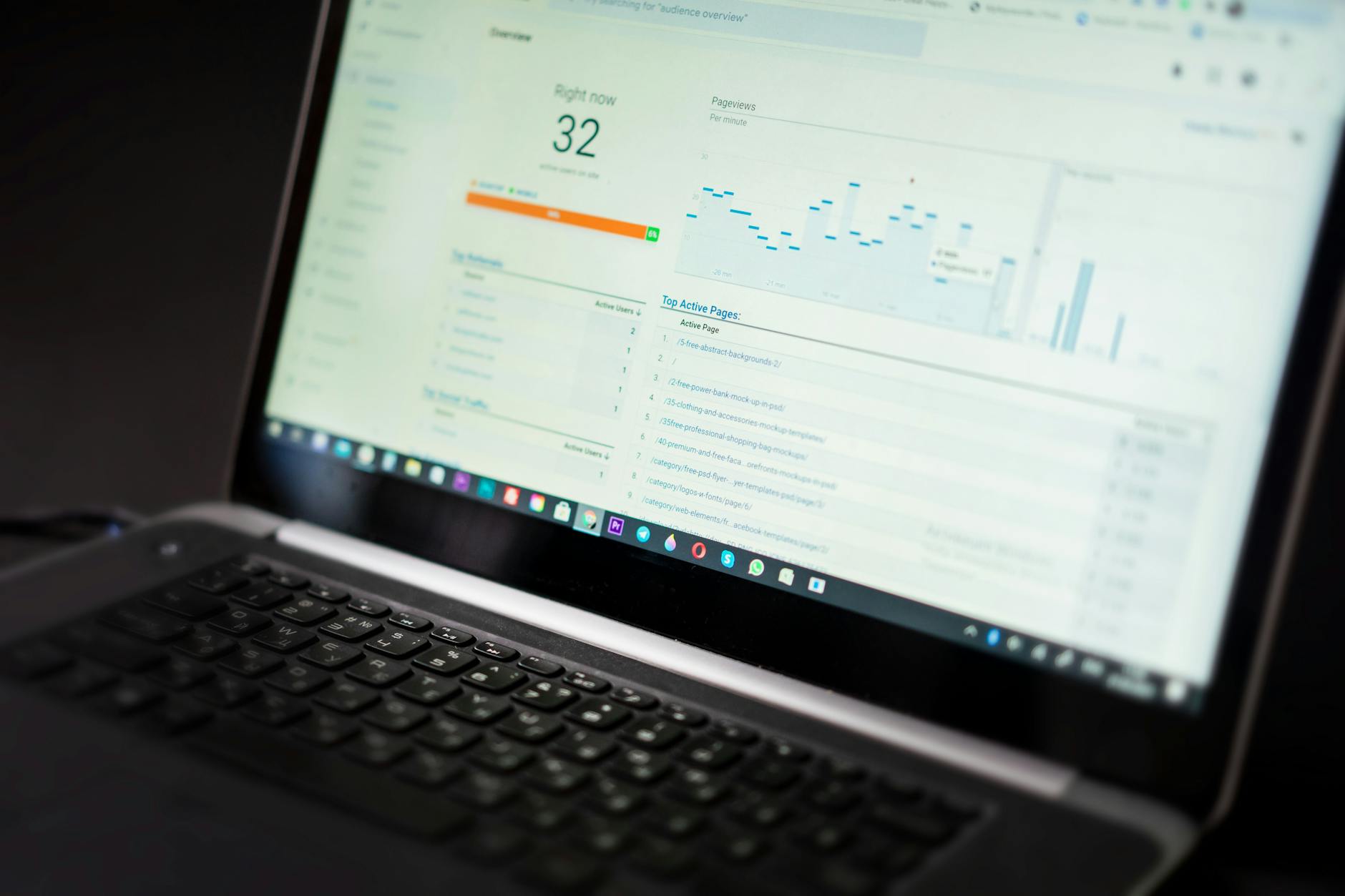
There’s also a secondary benefit that doesn’t get discussed enough: follower quality protection. Accounts that consistently post high-performing content tend to attract followers with genuine interest in that content category. By filtering weaker videos before they hit the main feed, Trial Reels helps maintain the kind of engagement-per-follower ratio that keeps algorithmic distribution strong over time. Publishing fewer but better-performing Reels has compounding benefits that go beyond any single post’s metrics. For brands tracking audience quality as a long-term asset – similar to how they might evaluate Instagram Broadcast Channels as a direct audience layer – Trial Reels becomes part of a broader system for audience health, not just a publishing tool.
The Competitive Edge Is Already Forming
Brands and creators who have integrated Trial Reels into their regular workflow are operating with a structural advantage that compounds over time. Every trial run generates data. That data refines the next round of content decisions. The teams still publishing Reels through intuition alone are competing against teams who know, with reasonable confidence, which format will land before the post goes live – and that gap only widens the longer both sides keep their current habits.
Frequently Asked Questions
What is Instagram’s Trial Reels feature?
Trial Reels lets creators publish a Reel to a non-follower audience first, gather engagement data, and then decide whether to share it with their full following.
How can brands use Trial Reels for A/B testing?
Brands can upload multiple versions of a Reel as trials – testing different hooks, formats, or content categories – and publish only the version that performs best against real audience data.