



The Green Circle Goes Commercial
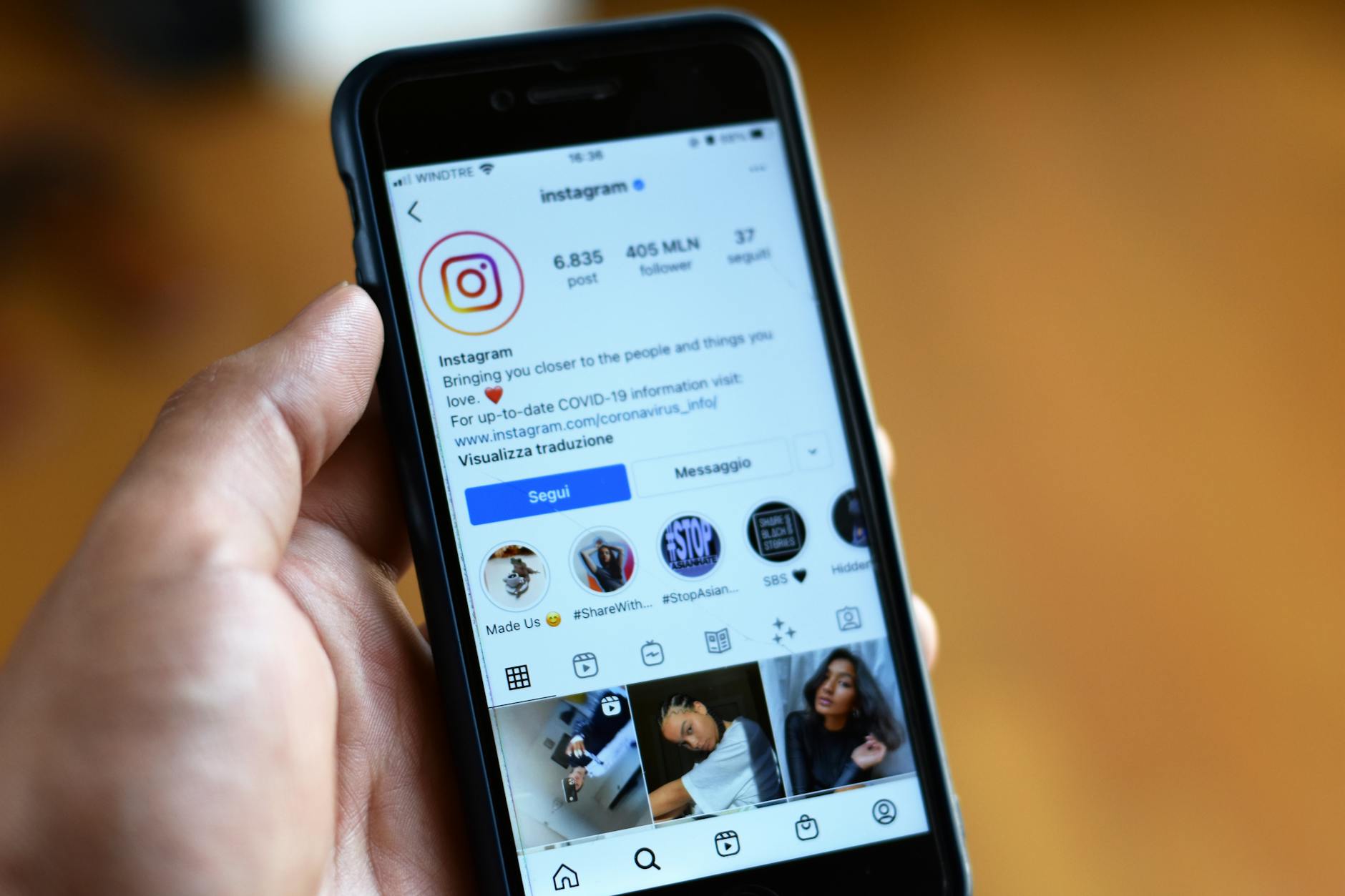
Instagram’s Close Friends feature was built for intimacy – a green circle signaling that what you were about to see was meant for a select audience. Celebrities used it for unfiltered moments. Friends used it to share things they didn’t want their boss or distant relatives to see. The whole point was exclusivity without the effort of a private account. Nobody designed it as a storefront. And yet, that’s exactly what it’s becoming.
A growing number of brands and solo operators are now treating Close Friends lists as curated VIP channels, dropping early product access, flash sales, and exclusive discount codes to followers who opt in. The mechanic is simple. The psychology behind it is not. When a brand slides into your Close Friends feed, it doesn’t feel like an ad – it feels like a secret you were trusted with. That distinction is doing a lot of commercial work right now.
How Brands Are Building the List
The typical setup involves a call-to-action in a brand’s main feed or Stories – something along the lines of “DM us the word INSIDER to get added to our Close Friends for early drops and deals.” Some brands gate it behind a purchase. Others treat it as a reward for engagement, adding accounts that regularly comment or share. The result is a self-selected audience of people who have actively raised their hand and said they want closer access. That’s a different starting point than a cold ad impression.
Because Instagram doesn’t currently offer built-in analytics specifically for Close Friends Stories views beyond standard Story metrics, brands are tracking performance through promo code redemptions, link clicks via bio swaps, or DM replies generated after a Close Friends drop. It’s manual and imperfect, but early adopters report that the conversion behavior from Close Friends content outperforms equivalent content posted to their full follower base. The smaller, warmer audience is doing more per person than the broader one.
Some brands are layering the strategy with timed scarcity – releasing a product or offer exclusively through Close Friends Stories for 24 hours before it goes public. This turns the Close Friends list into a literal early access queue. Followers who want that advantage stay engaged with the main feed because that’s where the opt-in lives. It’s an incentive loop that rewards attention without requiring a formal loyalty program or app download.

Why This Works When Traditional DMs Don’t
Direct message marketing on Instagram has a trust problem. Unsolicited DMs from brands read as spam, even when the brand is legitimate. Close Friends sidesteps that friction entirely because the content appears in the Stories feed – the same place a friend’s brunch photo would appear – rather than in the inbox. There’s no cold open. The user is already in a receptive browsing mode.
The green circle indicator is also doing quiet brand work. It signals that this content is different from what the brand posts publicly. Even if a follower intellectually understands they’re one of several thousand people on a brand’s Close Friends list, the green circle still creates the feeling of being singled out. That feeling drives behavior. Exclusivity, even when it’s manufactured at scale, tends to make people feel like the offer in front of them is worth acting on faster.
The Mechanics of Trust at Scale
What makes this channel genuinely interesting from a sales perspective is that it collapses the distance between discovery and transaction. In a typical social commerce journey, someone sees a product post, maybe saves it, forgets about it, sees a retargeting ad a week later, and eventually converts if the sequence held together. Close Friends compresses that. The context (intimate, curated, exclusive) and the offer arrive at the same moment, and the 24-hour Story window creates a natural deadline without the brand having to manufacture one artificially.
There’s also a quality signal embedded in the format itself. Because Close Friends lists require manual curation – or at least, the appearance of it – brands that use the feature are implicitly communicating that they’ve thought about who gets access. Even if that curation is as simple as “anyone who DMed us a keyword,” the act of opting in creates a psychological investment. People who took a step to get on a list are more likely to engage with what arrives there than passive followers who happened to see a post in the main feed.
The format also gives brands permission to drop the polished production values that main-feed content demands. Close Friends Stories can look rougher, more behind-the-scenes, more personal. A brand showing an unboxing of new inventory before it goes live, or a founder talking directly to camera about why a product was made, lands differently in Close Friends than it would as a Reel. The rawness is appropriate to the context. It reads as real rather than produced, and that shift in register makes the commercial intent feel less aggressive.
The obvious risk is saturation. If Close Friends lists become another predictable marketing channel – which they will, as more brands adopt the approach – the green circle will stop feeling like an exclusive signal and start feeling like a sponsored Stories tab with extra steps. Brands that are building genuine two-way interaction into their Close Friends content, responding to DM replies, asking for input on upcoming drops, treating the list as a dialogue rather than a broadcast, are buying themselves more runway before that happens. Brands that are simply repurposing their public Stories content with a coupon code dropped in are likely to see their lists quietly unfollowed before the format even reaches its peak.
There’s also a platform dependency question that doesn’t have a clean answer yet. Instagram controls the Close Friends feature entirely. There’s no export, no CRM sync, no way to take that list somewhere else if the algorithm changes or the feature gets restructured. Brands are building audience equity inside a tool they don’t own, which is a familiar risk in social media marketing – but the Close Friends setup asks for even more active opt-in investment from followers, which makes the potential loss of access to that audience more costly than losing a follower who never indicated strong intent.