


The Poll That Replaced the Focus Group
Market research used to mean hiring a firm, assembling a panel, waiting weeks, and paying thousands of dollars for data that might already be stale by the time the report landed. Instagram’s Broadcast Channel polls short-circuit the entire process. A brand posts a question to its subscriber list, and within hours it has directional feedback from the exact audience it is trying to reach – people who opted in specifically to hear from that account.
This is not a marginal shift in how brands collect opinions. It is a structural change in who gets to run audience research and how fast that research moves. Small creators with 10,000 Broadcast Channel subscribers are now running the kind of real-time feedback loops that used to belong exclusively to companies with dedicated consumer insights teams. The barrier to entry collapsed, and the speed of insight went up dramatically.
Why Broadcast Channels Work Better Than Stories Polls
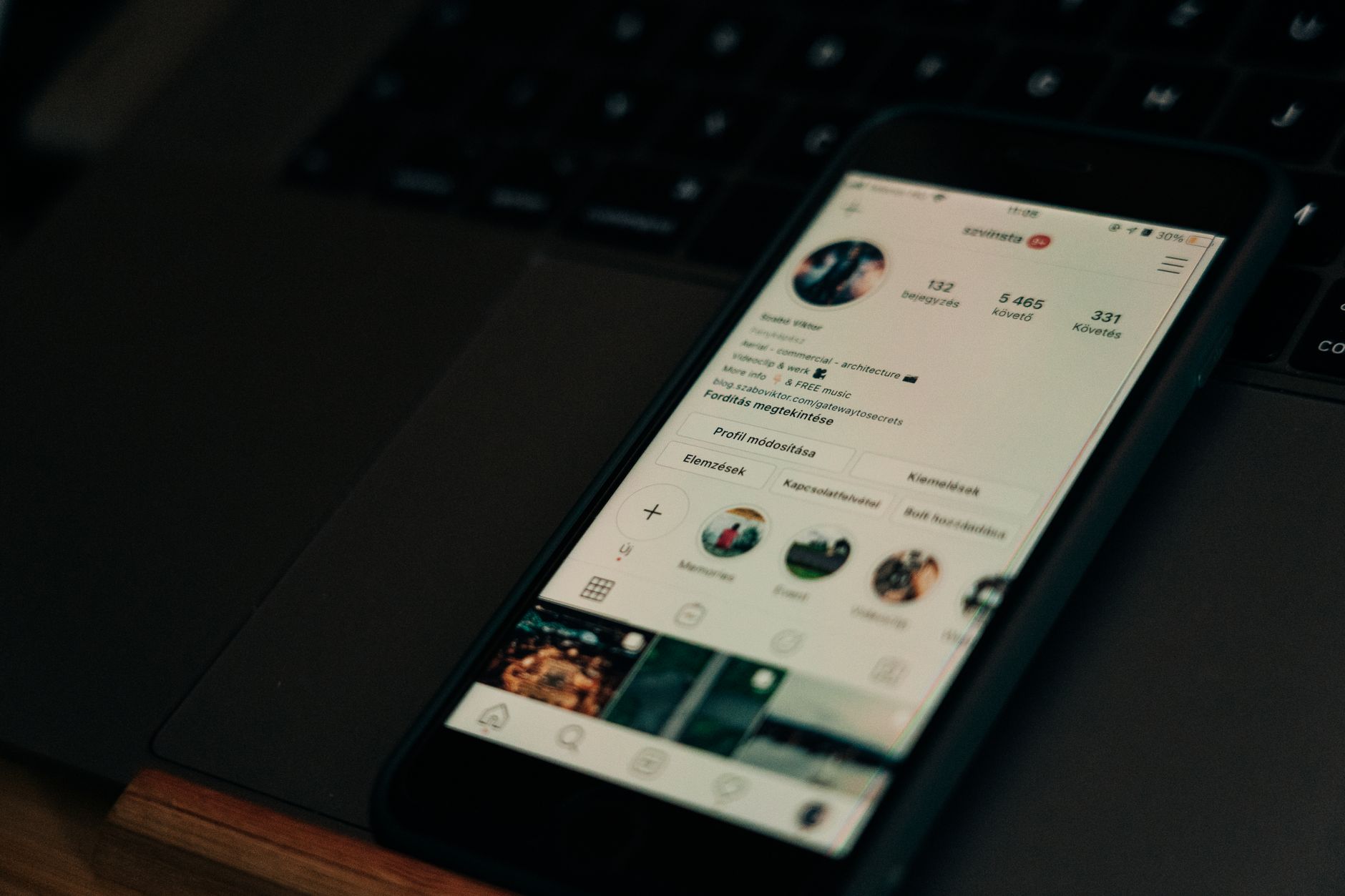
Instagram Stories polls have existed for years, but they come with a fundamental limitation: the feed algorithm decides who sees them. A poll posted to Stories reaches whatever fraction of followers Instagram serves that content to on a given day. Broadcast Channels operate differently. Subscribers receive a notification, which means the poll lands in front of a self-selected, high-intent audience rather than a random algorithmic sample. The signal quality is higher from the start.
There is also the matter of commitment. Someone who joins a Broadcast Channel has taken an active step – they did not passively scroll past the content. That extra friction filters out casual followers and concentrates the audience toward people who genuinely care about what the account publishes. When that group answers a poll about a new product color, a content direction, or a pricing model, the responses carry more weight than a general Stories poll served to whoever happened to be online at 2 p.m.
The format itself encourages candid responses. Because Broadcast Channels feel more like a private, direct conversation than a public-facing post, subscribers tend to engage more honestly. A creator testing whether their audience wants a digital course versus a physical book is getting something closer to genuine preference data rather than performative public engagement. The intimacy of the channel format changes the psychology of answering.
Brands are starting to stack polls over time to track opinion movement. A fashion label might poll its Broadcast Channel in January about fabric preferences, then again in June after a product launch, building a longitudinal dataset with zero additional cost. Traditional panel research charges by the wave. Broadcast Channel polling charges nothing beyond the time it takes to type a question.

What Traditional Research Firms Cannot Replicate
The speed advantage alone is worth examining. A traditional quantitative study – sampling, questionnaire design, fielding, cleaning, analysis, reporting – runs on a timeline measured in weeks, sometimes months. A Broadcast Channel poll can be drafted, posted, and producing results within a single workday. For decisions that need to move fast – a product launch window, a content pivot, a pricing test – that compression matters enormously.
Speed is not the only gap. Traditional research firms recruit participants who have no prior relationship with the brand being studied. Those participants bring their own biases, their own context, and their own interpretations of questions. Broadcast Channel subscribers already know the brand. They have a relationship with it. Their feedback is filtered through genuine familiarity, which makes preference data more actionable and more likely to predict actual purchasing behavior. The audience is not a proxy for customers – it largely is the customer base.
The Limitations Worth Acknowledging
None of this means Broadcast Channel polls are a complete replacement for rigorous research methods. Sample self-selection is a real methodological concern. People who subscribe to a Broadcast Channel are, by definition, already fans or highly interested parties. That skews the sample toward the brand’s most enthusiastic segment and can produce feedback that does not reflect the broader market. A new customer acquisition strategy, for instance, would be poorly tested with an audience of existing loyalists.
Poll formats on Instagram are also binary or limited in choice structure. The platform does not support ranking exercises, open-ended responses, or the kind of nuanced attitudinal questions that a well-designed survey instrument can capture. A creator asking “do you prefer option A or option B” gets a clean split but misses the reasoning behind either choice. That context gap is where professional research still holds real value, particularly for high-stakes product decisions.
The practical model that is emerging is a hybrid approach. Broadcast Channel polls handle fast, directional questions – which of these two names feels right, would you pay for this feature, what time of day should we post. Formal research handles deep dives that require nuance, statistical rigor, or audiences beyond the existing subscriber base. The two methods are not in competition so much as they are filling different parts of the research calendar. The notable thing is that the fast, cheap, directional part – the part brands used to skip because it was too expensive to run frequently – now has a viable home inside a feature most accounts already have access to.
For accounts still building their Broadcast Channel subscriber base, the polling feature creates a compelling reason to actively grow that list. A larger subscriber count does not just mean more reach – it means more statistically meaningful poll responses. A poll answered by 200 people produces one kind of signal. A poll answered by 20,000 produces something close to a real research instrument. That dynamic gives creators and brands a concrete, strategic reason to treat their Broadcast Channel growth as a serious priority rather than a secondary metric sitting behind follower count and story views.