



What You Need to Know
Landing a podcast interview is just the beginning. Smart marketers understand that a single 45-minute conversation can fuel content across every platform for weeks. The challenge? Most entrepreneurs treat their podcast appearance as a one-and-done opportunity, missing the chance to multiply their reach and impact.
Top performers extract maximum value from every media appearance by creating systematic content funnels. They turn one interview into blog posts, social media series, email sequences, and lead magnets. This approach transforms a single touchpoint into an entire marketing ecosystem that works around the clock.
The secret lies in strategic preparation before the interview and methodical repurposing afterward. When done correctly, podcast appearances become the cornerstone of multi-platform campaigns that drive traffic, build authority, and generate leads long after the recording ends.

Step 1: Pre-Interview Content Planning
Success starts before you hit record. Create a content framework that captures maximum value from your conversation. Research the podcast’s audience demographics, typical episode length, and format style. This intelligence shapes how you’ll structure your key messages.
Develop three to five core talking points that each contain a specific, actionable insight. These become the foundation for your content funnel. For each point, prepare a brief story, statistic, or example that illustrates the concept clearly. This preparation ensures you deliver quotable moments that translate well across platforms.
Bring supporting materials like case studies, frameworks, or checklists that you can mention during the interview. These resources become lead magnets for your funnel later. Always ask the host if they’d like exclusive resources for their audience – this creates natural opportunities to capture contact information.
Step 2: Record Strategic Audio Clips
During the interview, mentally note your strongest moments for repurposing. Pay attention to segments where you share surprising insights, tell compelling stories, or provide step-by-step advice. These segments become audio content for social media platforms like LinkedIn, Twitter, and Instagram Stories.
Request the raw audio file from the podcast host. Most hosts willingly share this since it helps promote their show. If unavailable, use audio recording software to capture the published episode later. Having clean audio files makes creating social media clips significantly easier.
Create a timestamp document during or immediately after recording. Note the exact times when you delivered key insights, told important stories, or shared actionable tips. This reference document saves hours during the editing process and ensures you don’t miss valuable content opportunities.
Step 3: Develop Video Content Assets
Transform your podcast insights into video content for YouTube, TikTok, and Instagram Reels. Create short explainer videos that expand on points you made during the interview. Use screen recording software to create tutorials that demonstrate concepts you discussed.
Film yourself elaborating on key interview topics while the conversation is fresh in your mind. These videos serve as companion content that drives traffic back to the original podcast episode. Include clear calls-to-action directing viewers to listen to the full interview.
Consider creating video testimonials or behind-the-scenes content about the podcast experience. This meta-content performs well on platforms like LinkedIn and Instagram, where personal branding content generates strong engagement rates.

Step 4: Create Written Content Series
Extract your interview insights into multiple written formats. Start with a comprehensive blog post that covers your main talking points in detail. This cornerstone content piece should be longer and more detailed than your podcast discussion, providing additional value for readers.
Break down your blog post into smaller pieces for social media. Create LinkedIn articles, Twitter threads, and Instagram carousel posts that each focus on single concepts from your interview. This approach extends your content calendar for weeks while maintaining consistent messaging.
Develop email sequences that nurture leads captured through your podcast appearance. Reference specific moments from the interview to create personal connections with subscribers. This strategy works particularly well when combined with lead generation techniques across professional networks.
Step 5: Build Lead Magnets and Resources
Transform your interview content into downloadable resources that capture leads. Create checklists, templates, or guides based on the frameworks you discussed. These materials serve as ethical bribes that encourage podcast listeners to join your email list.
Design infographics that visualize key statistics or processes you mentioned. Visual content performs exceptionally well on Pinterest and can drive long-term traffic to your website. Consider how you might integrate these visuals into broader seasonal content strategies for maximum impact.
Develop mini-courses or workshop materials that expand on your interview topics. These higher-value lead magnets attract more qualified prospects and position you as an authority in your field. Use platforms like Teachable or Thinkific to host these educational resources.
Step 6: Cross-Platform Distribution Strategy
Create platform-specific versions of your content that respect each channel’s unique culture and format requirements. LinkedIn favors professional insights and industry commentary, while Instagram responds better to visual storytelling and behind-the-scenes content.
Schedule your content releases strategically to maximize reach without overwhelming your audience. Space out related content pieces across different platforms and timeframes. This approach keeps your podcast appearance relevant for extended periods while avoiding content fatigue.
Engage actively with comments and shares on each platform. Podcast-derived content often generates more engagement because it feels authentic and conversational. Use this increased interaction to build relationships and drive traffic to your primary conversion points.
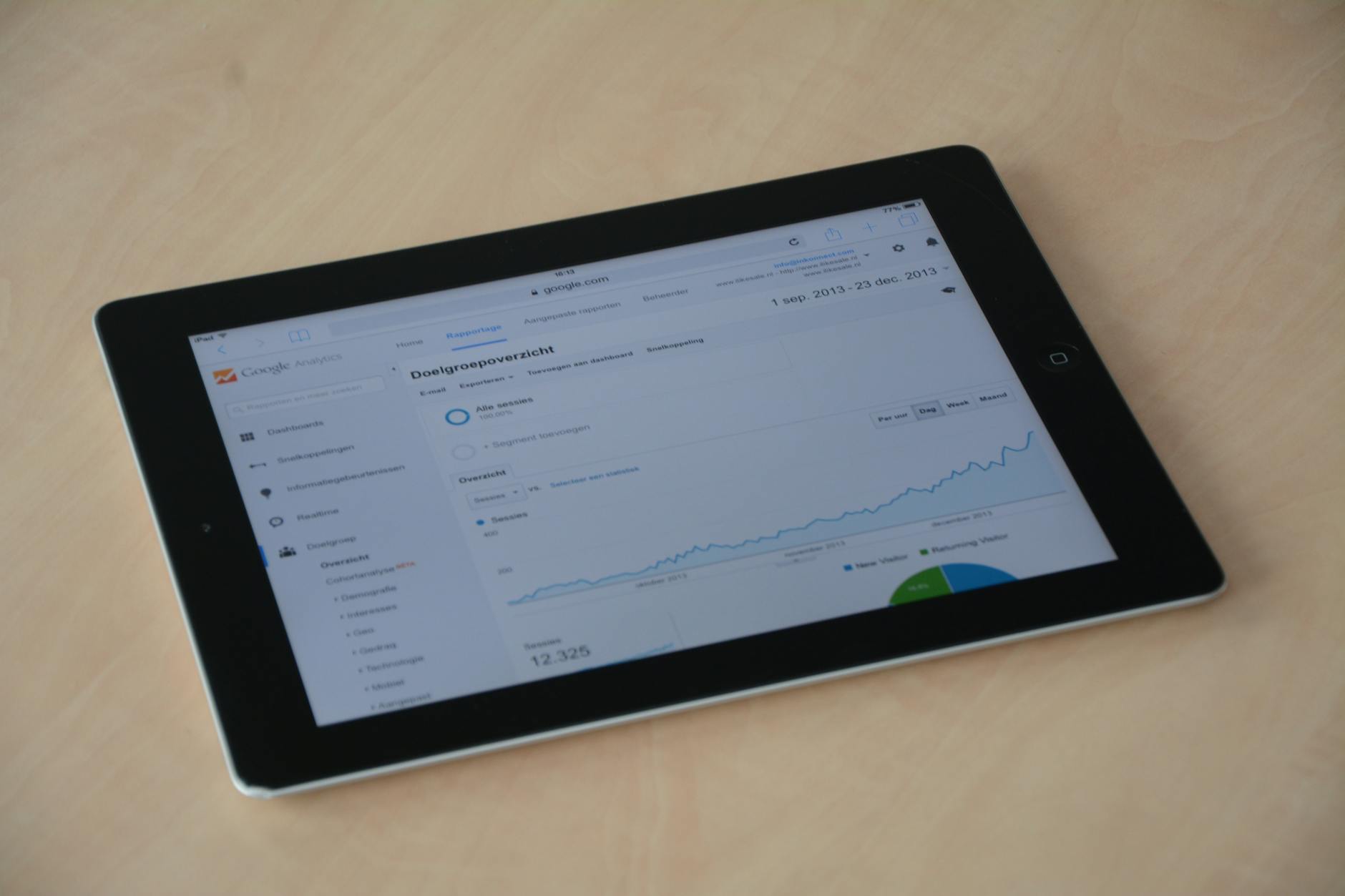
Step 7: Measure and Optimize Your Funnel
Track performance metrics across all platforms to understand which content formats resonate most with your audience. Monitor website traffic, email signups, social media engagement, and conversion rates from podcast-related content.
Create UTM parameters for links shared in different content pieces. This tracking reveals which platforms and content types drive the highest quality traffic to your website. Use these insights to refine your approach for future podcast appearances.
Survey new subscribers and customers to understand how they discovered your content. Many businesses underestimate the compounding effect of multi-platform exposure, where prospects encounter your message multiple times before taking action.
Key Takeaways
Podcast appearances offer exponential content opportunities when approached strategically. The key lies in systematic preparation, comprehensive documentation, and methodical repurposing across multiple platforms. Smart marketers create content funnels that continue generating value weeks or months after the original interview.
Success requires treating each podcast appearance as the seed for an entire campaign rather than a standalone activity. By following this seven-step process, you’ll maximize the return on investment from every media opportunity while building sustainable marketing systems that compound over time.
Remember that consistency trumps perfection in content creation. Start with platforms where you feel most comfortable, then expand your distribution strategy as you refine your process. The goal is creating a repeatable system that transforms single conversations into comprehensive marketing campaigns.
Frequently Asked Questions
How long should I wait before repurposing podcast content?
Start creating supporting content immediately after recording while insights are fresh. Release repurposed content after the original episode publishes.
Which platforms work best for podcast-derived content?
LinkedIn excels for professional insights, Instagram for visual content, Twitter for quick tips, and YouTube for longer explanatory videos.