



Smart brands are mining Airbnb listings for location-based content that drives real engagement. While property owners focus on bookings, marketers see untapped goldmines of authentic, hyperlocal imagery and storytelling opportunities.
What You Need to Know
Airbnb host photos offer a treasure trove of authentic local content that traditional stock photography can’t match. These images capture real neighborhoods, genuine experiences, and lived-in spaces that resonate with audiences seeking authenticity. The key lies in transforming property photos into compelling narratives that connect with your brand’s location-based marketing goals.
This strategy works particularly well for travel brands, local businesses, real estate companies, and lifestyle brands wanting to showcase specific destinations or neighborhoods. The content feels organic because it is – these photos weren’t staged for marketing purposes, making them incredibly valuable for brands tired of generic stock imagery.
Step 1: Identify Your Target Locations
Start by mapping out the specific areas, neighborhoods, or cities that align with your brand’s marketing objectives. If you’re a coffee brand, focus on neighborhoods known for their cafe culture. For outdoor gear companies, target areas near hiking trails, beaches, or adventure destinations.
Create a spreadsheet listing your priority locations with columns for neighborhood names, key attractions, and brand relevance scores. This systematic approach ensures you’re not randomly collecting photos but building a strategic content library.
Use Google Maps and local tourism boards to identify micro-neighborhoods within larger cities. The most valuable content often comes from specific districts rather than broad city-wide searches. A photo from Brooklyn’s Williamsburg tells a different story than generic New York City imagery.
Step 2: Research High-Quality Airbnb Listings
Search Airbnb for properties in your target locations, filtering for listings with professional-quality photos and high ratings. Look for hosts who clearly invest in photography – these images will translate better to marketing content.
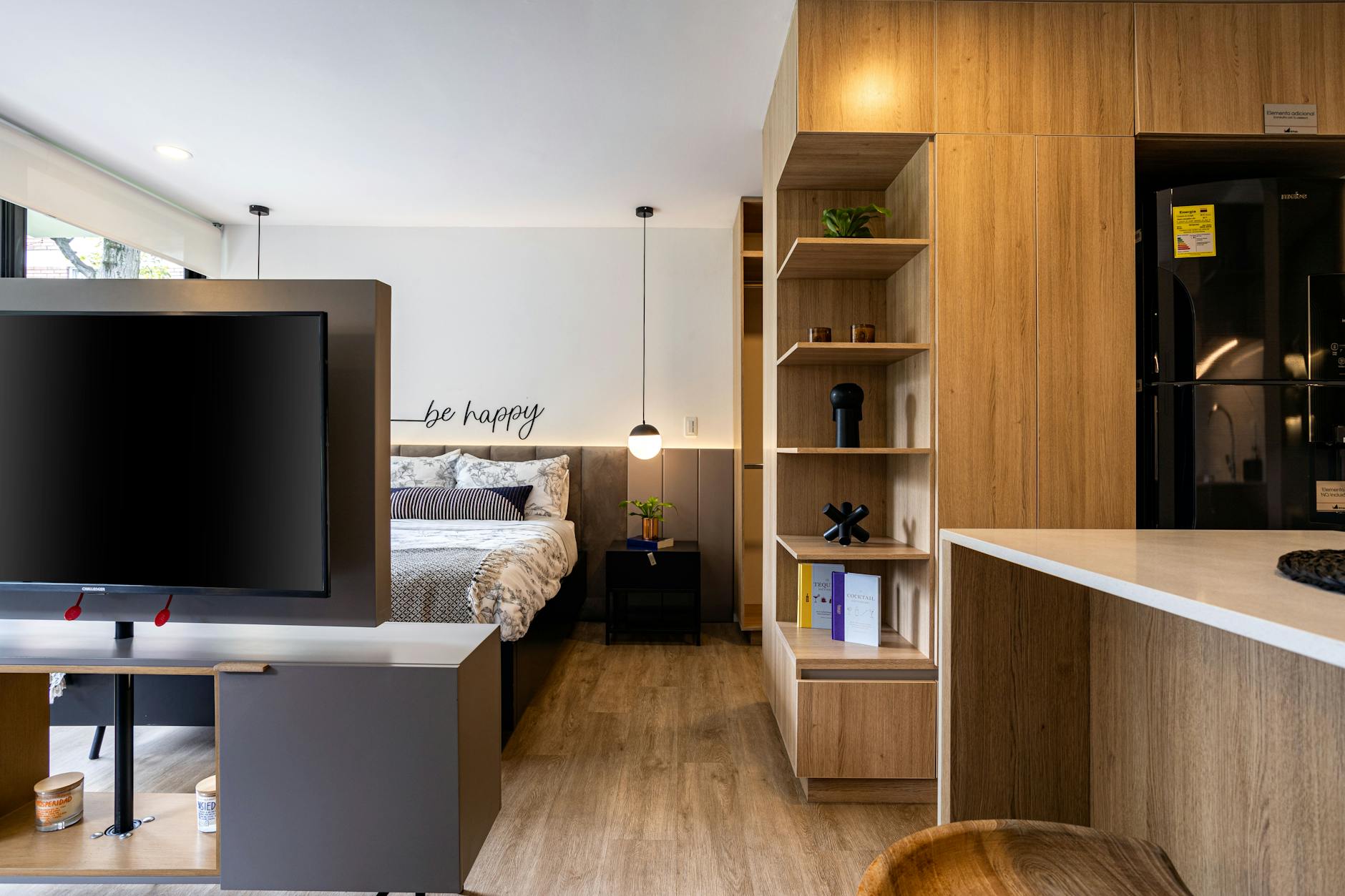
Focus on listings that showcase unique local features: exposed brick walls that scream “historic district,” rooftop terraces with city skylines, or cozy reading nooks that capture neighborhood charm. Avoid generic hotel-like properties that could be anywhere.
Pay attention to photo composition and lighting. The best host photos use natural light, interesting angles, and capture authentic moments. These qualities make content more engaging when repurposed for social media or website galleries.
Step 3: Understand Usage Rights and Permissions
Contact hosts directly before using their images. Most hosts appreciate brands showing interest in their properties and often grant permission when approached professionally. Craft a brief email explaining your brand, how you plan to use the images, and offer credit or compensation.
Consider creating partnerships with hosts who consistently produce high-quality content. Some hosts are also photographers or content creators who might collaborate on branded content that benefits both parties.
Always save correspondence granting permission. Screenshot or email confirmations protect you legally and maintain professional relationships. Never assume images are free to use without explicit permission.
Step 4: Curate Images That Tell Location Stories
Select photos that capture the essence of place rather than just showcasing interiors. The most powerful location-based content connects viewers emotionally to destinations. A window view of a bustling farmer’s market tells a richer story than a perfectly staged living room.

Group images by themes: “Morning Coffee Spots,” “Neighborhood Character,” “Local Architecture,” or “Hidden Gems.” This organization helps create cohesive content series and makes it easier to plan social media campaigns.
Look for seasonal variety in your curated collection. The same neighborhood looks different in spring versus autumn, and this variety keeps your location-based content fresh throughout the year.
Step 5: Transform Photos Into Branded Content
Add your brand’s visual identity without overwhelming the authentic feel of the original images. Subtle logo placement, consistent color grading, or branded border treatments maintain the organic appeal while establishing brand presence.
Write compelling captions that connect the location to your brand story. Instead of generic descriptions, craft narratives that make viewers want to experience these places themselves. A coffee brand might caption a cozy apartment kitchen: “Where morning rituals begin with locally roasted beans and neighborhood stories.”
Create content series that follow themes or tell ongoing stories about specific locations. “Hidden Gems of Portland” or “Weekend Mornings in Charleston” give structure to your content while building audience anticipation for new posts.
Step 6: Optimize for Multiple Platforms
Adapt your curated content for different social media platforms and marketing channels. Instagram Stories benefit from vertical crops that focus on specific details, while Facebook posts perform better with horizontal orientations that capture entire scenes.
Consider creating carousel posts that showcase multiple angles of the same location or tell visual stories through sequential images. This format works particularly well on Instagram and LinkedIn for brands wanting to dive deeper into location narratives.
Repurpose the same base images across platforms with platform-specific optimizations. A rooftop terrace photo might become an Instagram post about city living, a Pinterest pin for home decor inspiration, and website banner content for location-specific landing pages.
Step 7: Build Ongoing Relationships With Host Contributors
Develop a network of hosts who regularly contribute quality content. These relationships become valuable long-term assets for your content marketing strategy. Regular contributors understand your brand needs and can even create content with your marketing goals in mind.
Create a simple contributor program offering small payments, product samples, or cross-promotion in exchange for ongoing photo rights. Many hosts appreciate the additional income stream and brand association.
Track which host-contributors generate the most engaging content for your audience. Double down on relationships that consistently produce high-performing posts while maintaining a diverse contributor network.
Key Takeaways
Airbnb host photos offer authentic location-based content that traditional stock photography cannot match. The key to success lies in strategic curation, proper permissions, and thoughtful brand integration that preserves the organic appeal of these images.
This approach works best when combined with other user-generated content strategies. Just as brands are using Goodreads book clubs for audience building, leveraging Airbnb content creates authentic connections with location-conscious consumers.
Start small with one target location and build your content library systematically. The most successful campaigns balance consistency with authenticity, ensuring every piece of repurposed content serves both the original host’s vision and your brand’s marketing objectives.
Remember that the best location-based content marketing feels effortless to viewers while requiring significant strategic planning behind the scenes. When done correctly, your audience will feel transported to these destinations while naturally associating those positive feelings with your brand.
Frequently Asked Questions
Can I legally use Airbnb host photos for marketing?
You must obtain explicit permission from hosts before using their images for any commercial marketing purposes.
What types of Airbnb photos work best for marketing?
Focus on images that showcase unique local features, authentic neighborhood character, and high-quality composition with natural lighting.