


The Feed Is Broken. Broadcast Channels Might Not Be.
Facebook Page reach has been declining for years – not gradually, but in a way that made organic content feel nearly pointless. Posts from brand Pages routinely failed to reach even a fraction of their own followers, buried under an algorithm that increasingly favored paid promotion and personal content. That dynamic is not gone, but something has shifted. Facebook’s Broadcast Channels feature, originally rolled out quietly and without much fanfare, is showing signs of delivering what the main feed stopped providing: actual reach to actual followers.
Broadcast Channels on Facebook work differently than standard Page posts. Instead of being fed into an algorithm that decides how many people see your content, channel messages are pushed directly to subscribers as notifications. The model pulls from the same playbook as WhatsApp Channels and mirrors what Instagram introduced in 2023 – a one-way broadcast format where a Page or creator sends updates, images, voice notes, or polls directly to people who opted in. The opt-in part is what makes it worth paying attention to.
Why Opt-In Changes the Math
When someone subscribes to a Broadcast Channel, they are making an active choice – not passively following a Page and hoping content surfaces in their feed. That distinction matters because the subscriber base for a channel tends to be a higher-intent audience than a standard Page following accumulated over years. Some of those Page followers clicked “Like” in 2013 and haven’t engaged since. Channel subscribers chose to receive updates, which changes the engagement baseline entirely.
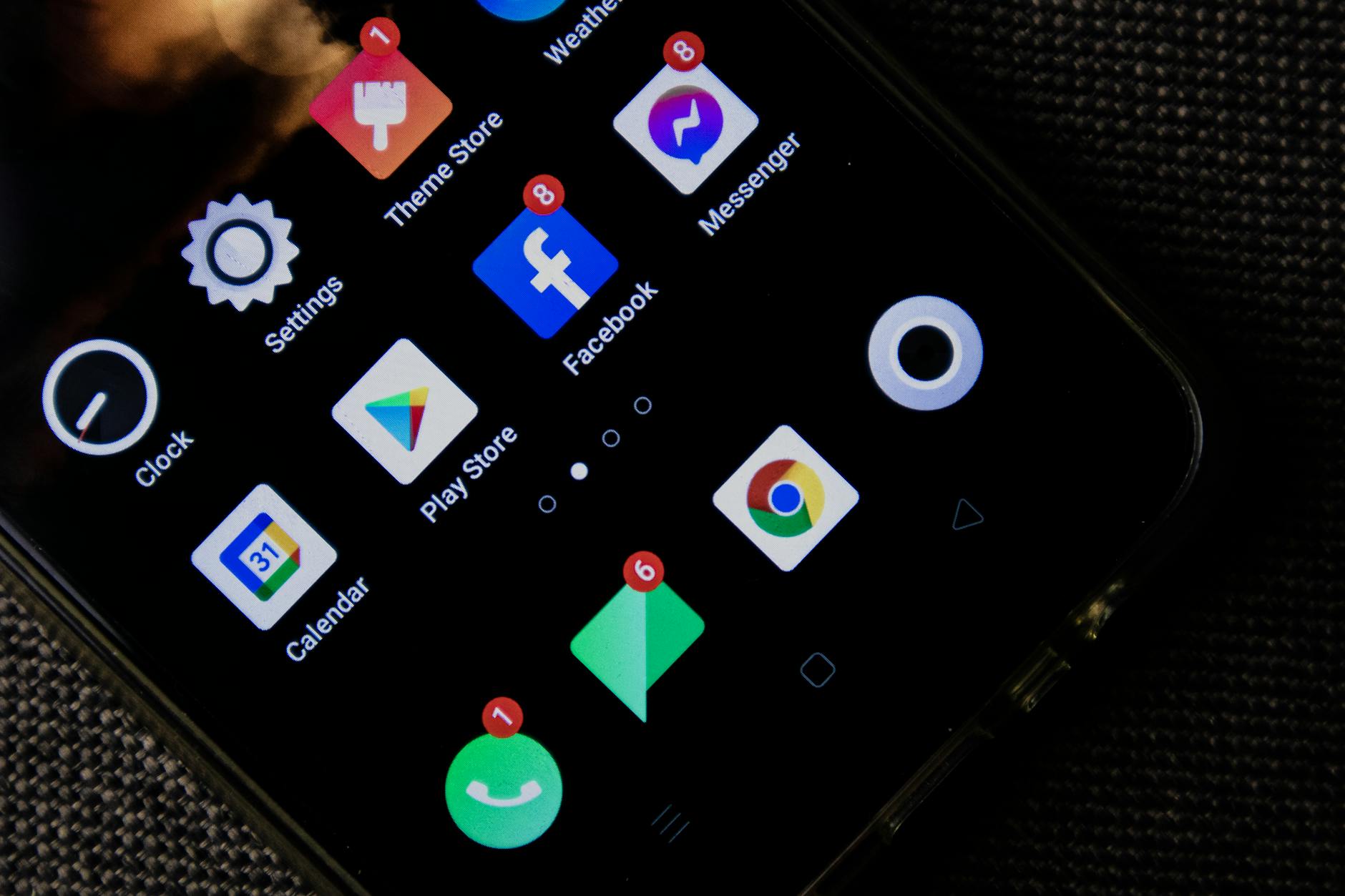
Facebook has also structured the notification delivery to feel less intrusive than traditional push alerts. Subscribers receive updates in their Chats tab rather than as aggressive lock-screen interruptions, which keeps the experience closer to a newsletter or messaging thread than a bombardment. That framing encourages consistent checking rather than immediate dismissal – a behavior pattern that rewards brands posting regular, useful content over brands posting constantly.
What This Actually Means for Page Strategy
The core opportunity is straightforward: brands and creators who build a Broadcast Channel audience now have a distribution channel that bypasses the main feed’s gatekeeping entirely. A post on your Facebook Page might reach 3-5% of followers on a good day. A Broadcast Channel message reaches every subscriber who hasn’t muted the channel, with no algorithmic filtering between the sender and the recipient. For Pages that have spent years watching organic reach erode, that kind of direct line is worth treating seriously.
The format rewards simplicity. Broadcast Channels are not designed for long-form content or complex campaigns – they work best as short, direct dispatches. A retailer announcing a flash sale, a media brand dropping a headline, a creator sharing behind-the-scenes context before a major post goes live – these use cases fit the format naturally. The constraint is also a feature: because the format is limited, audiences tend to treat channel messages as worth opening rather than scrolling past.
There is also a strategic case for using Broadcast Channels to train your Page’s algorithm performance over time. When subscribers engage with a channel – reacting to messages, responding to polls, tapping through links – that activity signals to Facebook’s systems that your audience is genuinely interested in your content. That signal can carry over to how your standard Page posts perform, particularly for followers who are also channel subscribers. The engagement loop is not guaranteed, but the logic is sound: active interest in one format reinforces visibility in another.
One underused tactic is treating the channel as a content pre-launch tool. Posting a channel message before publishing a major piece of content – a video, an article, an event announcement – primes your most engaged followers before the broader post goes live. Those early interactions in the first hour of a Facebook post’s life have an outsized effect on how far the algorithm distributes it. Channel subscribers, already warmed up and expecting the content, are far more likely to engage immediately than cold followers scrolling their feed. That early engagement window is where organic reach is either earned or lost, and Broadcast Channels give brands a direct way to influence it.
The Catch Nobody Is Talking About
Building a Broadcast Channel subscriber base from scratch is not automatic. A Page with 50,000 followers does not automatically get 50,000 channel subscribers – the audience has to be actively recruited through in-feed posts, Stories prompts, and direct calls to action. That initial build phase requires effort, and for Pages that have already watched their organic reach bottom out, getting followers to see those recruitment posts is its own challenge. The feature does not solve the reach problem on day one; it offers a path out of it over time.
There is also the question of how Facebook monetizes or adjusts this format once it scales. The history of organic reach on the platform is not encouraging – features that initially reward content creators and brand Pages tend to gradually shift toward rewarding paid promotion. Broadcast Channels may follow the same arc. What makes the current moment worth acting on is that the feature is still early enough that Facebook has an incentive to make it work and attract heavy usage. That window will not stay open indefinitely. Brands waiting to see if the format proves itself are likely to find, when they finally look, that the early subscriber lists have already been claimed by whoever moved first.