

When Transcription Isn’t Enough Anymore
Otter.ai built its reputation on one core promise: accurate, fast transcription. For years, that was enough. Content teams used it to convert podcast recordings, team meetings, and interview sessions into searchable text, then passed those transcripts to editors who did the heavy lifting. The workflow was clunky, but it worked. Now Descript’s Underlord AI is exposing exactly how limited that workflow always was.
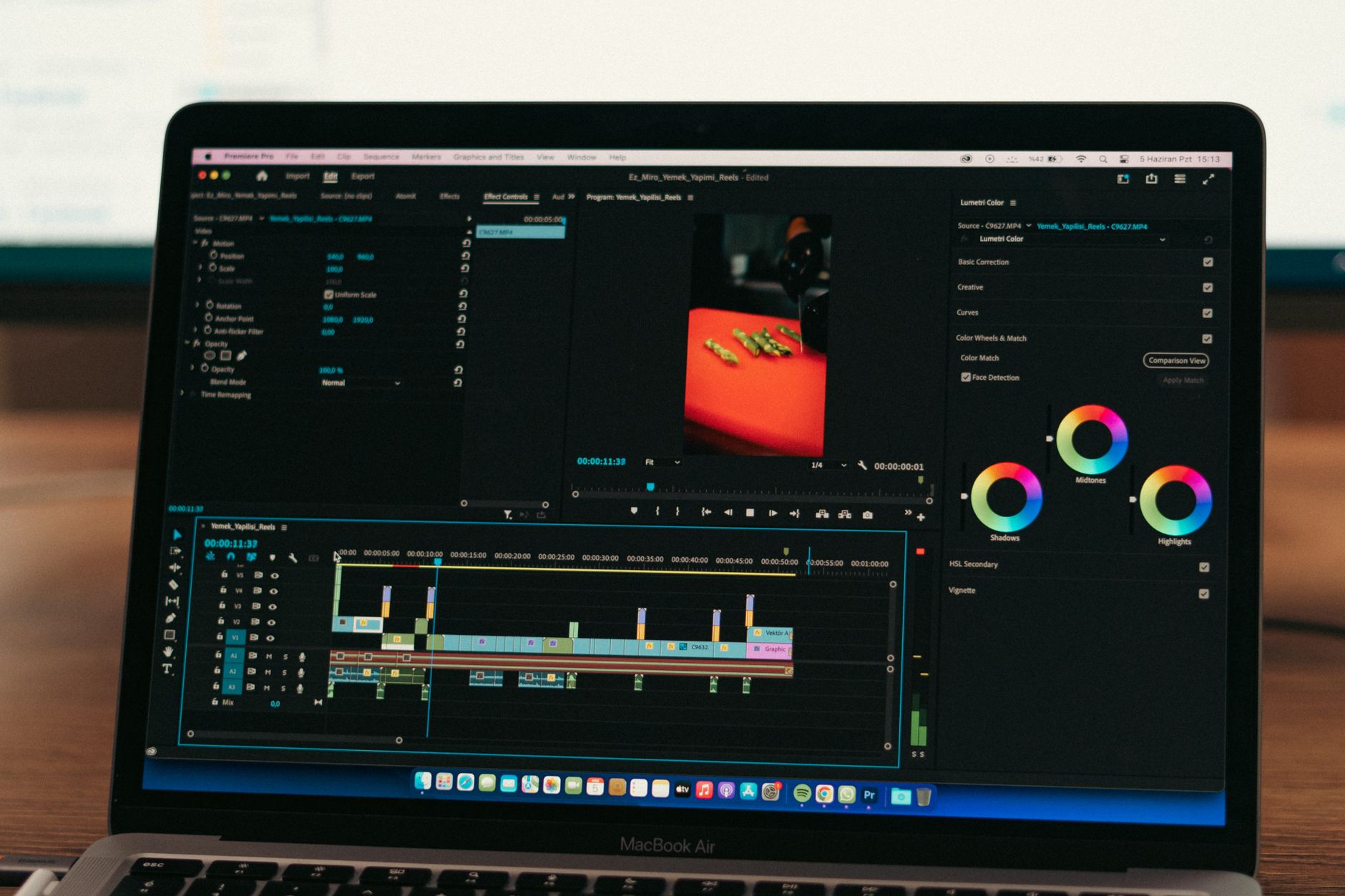
Underlord is Descript’s integrated AI layer, built directly into its video and audio editing environment. Where Otter.ai stops at transcription, Underlord continues into editing, restructuring, and even publishing-ready content generation. Content teams who have made the switch describe it not as an upgrade but as a category change – moving from a note-taking tool to something that actually participates in production.
What Underlord Actually Does
The core difference between Underlord and a transcription service is that Underlord understands the structure of what it’s processing, not just the words. When a content team records a 60-minute podcast, Underlord can identify natural chapter breaks, flag filler words and dead air, suggest cuts, and generate a show notes summary – all from inside the same application where the editing happens. That integration matters more than it sounds. Every time a team switches tools between transcription and editing, they lose context and introduce friction.
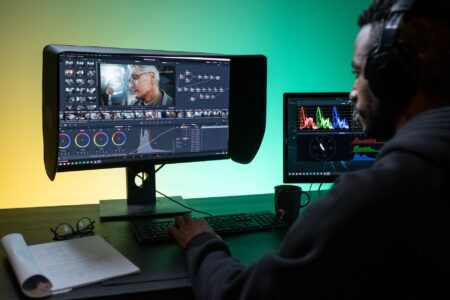
Underlord’s “Action” prompts are where the real workflow change happens. Users can type instructions directly into the AI interface – things like “remove all the ums,” “create a 90-second highlight reel,” or “write a YouTube description based on this episode” – and the system executes against the actual media timeline, not just the text layer. Otter.ai operates entirely in the text dimension. Underlord operates in both, which makes the gap between the two tools feel much wider than a feature comparison would suggest.
Descript has also built out what it calls “Scenes,” which allow teams to turn audio or video content into organized, labeled segments automatically. For teams producing multiple content formats from a single recording – a short-form video clip, a LinkedIn post, a newsletter section – the ability to organize source material this way reduces production time considerably. A content producer working alone can now do what previously required a dedicated editor and a separate social media writer.
Why Otter.ai Is Losing Ground
Otter.ai isn’t a bad product. Its transcription accuracy is strong, and its meeting assistant features – where it joins calls automatically and logs conversations – still have real utility, particularly in sales and customer success workflows. The problem is that content teams have started asking for more from every tool in their stack, and Otter.ai hasn’t expanded in that direction at the same pace.
The shift is also partly economic. Subscribing to Otter.ai for transcription and then separately paying for editing software, an AI writing tool, and a caption generator adds up to a stack that Descript now replaces almost entirely. For small content teams and solo creators especially, consolidating that spend into a single subscription with Underlord is a straightforward decision. The tools that survive this moment in SaaS are the ones that absorb adjacent use cases before a competitor does.
The Production Team Perspective
The loudest advocates for Underlord tend to be content teams that produce high volumes of audio or video on tight timelines. A team publishing three podcast episodes a week doesn’t have time to transcribe in one tool, edit in another, write show notes in a third, and clip highlights in a fourth. Underlord compresses that chain, and while it doesn’t eliminate the need for human judgment, it dramatically reduces the time spent on mechanical tasks.
There are friction points worth naming. Underlord’s AI writing outputs, particularly for blog posts and social copy generated from recordings, still require meaningful human editing before they’re publication-ready. The tool is better at structural tasks – identifying what to cut, what to highlight, where the energy is in a recording – than it is at producing polished prose. Teams that expected a full content autopilot have been disappointed. Teams that treated it as a highly capable assistant have gotten real value.
The comparison to Otter.ai also doesn’t fully capture what’s happening at the higher end of the market. For agencies and production studios handling client work, Descript’s collaboration features and timeline-based editing are increasingly competitive with dedicated video editing software. Underlord adds AI capabilities on top of that foundation in a way that feels native rather than bolted on. That’s a harder product to build than a transcription service with a chat interface, which is partly why Otter.ai hasn’t replicated it.
There’s also a format reality driving this migration. The content formats that matter most right now – short-form video, audiograms, multi-platform repurposing – are media formats, not text formats. A tool that works only in text is limited at the source. Otter.ai’s value proposition was always strongest when the end deliverable was a document. As content teams increasingly treat a single recording as the raw material for six different outputs across six different platforms, working in a text-only environment means re-importing, reformatting, and re-timing assets manually every single time. Underlord skips most of that. Whether that workflow advantage holds as Otter.ai and other transcription tools build out their own AI editing features is the actual open question.