

When Your Voice Becomes a Product Someone Else Can License
Descript’s Overdub feature does something that would have sounded absurd five years ago: it lets you clone your own voice, then type words you never actually spoke. Feed it enough audio samples, and the software produces a synthetic version of your voice that can read any script you drop into the editor. For podcasters and video creators, this means fixing a mispronounced word without re-recording a single line. For the voiceover industry, it means something considerably more uncomfortable.
The feature has been part of Descript’s toolkit for a few years now, but a growing number of content creators are using it not just for corrections – they’re using it to produce entire narration tracks from scratch. What started as a patching tool has quietly become a production pipeline. And the freelancers who used to fill that pipeline are noticing the work drying up.
What Overdub Actually Does
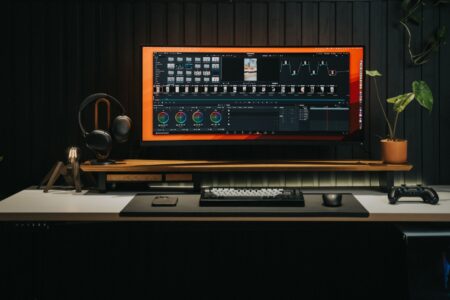
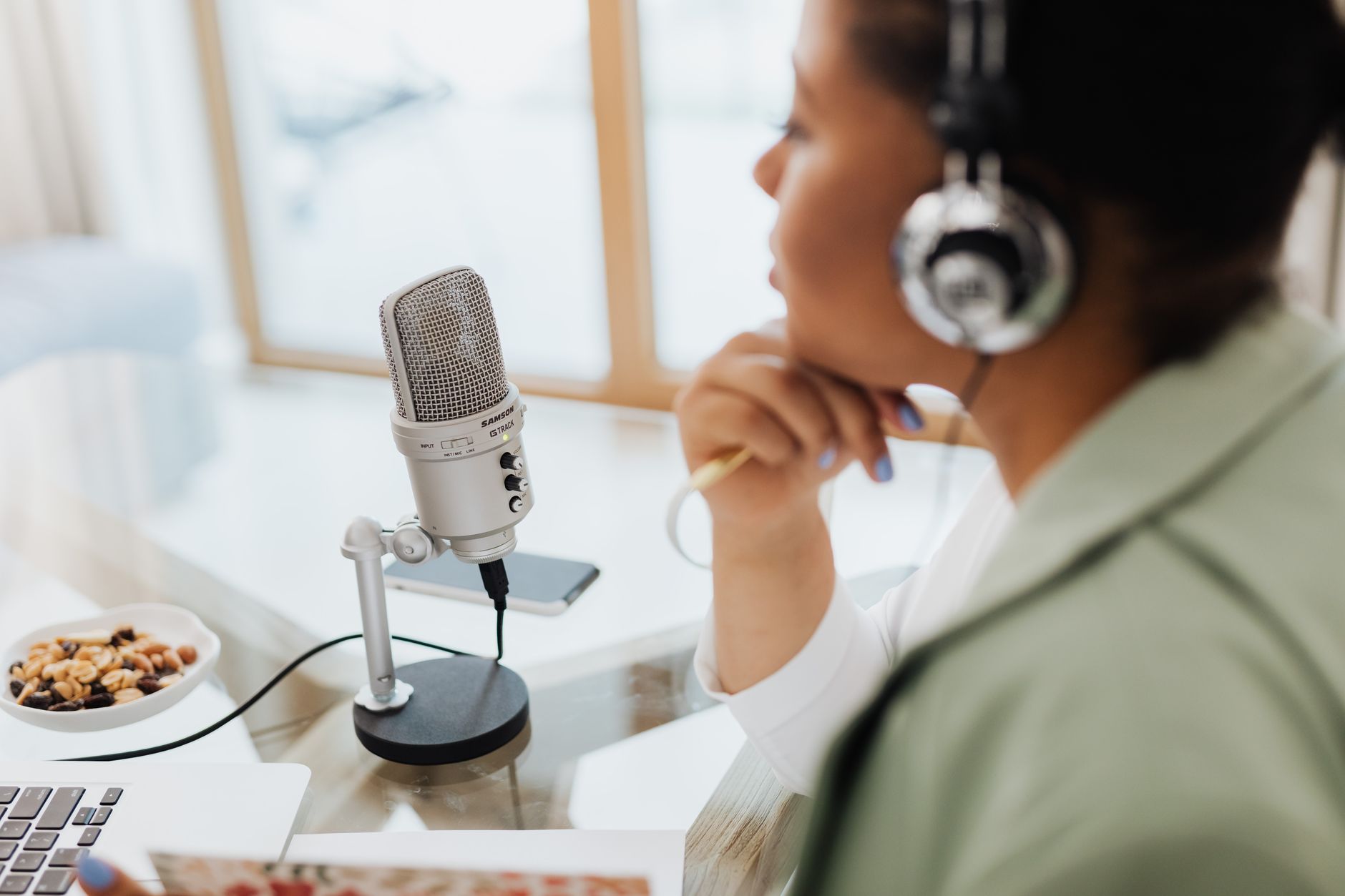
Descript positions Overdub as a convenience tool built for creators who already record their own voices. The workflow is straightforward: a user trains a voice model by reading sample scripts inside the app, and within a few hours Descript generates a personal synthetic voice. From that point on, any text typed directly into the transcript editor gets converted into audio using that cloned model. Edits that used to require a re-record now happen at the keyboard.
The quality is not perfect – a trained ear can often detect a slight flatness in pacing, and emotional range is limited compared to live performance. But for explainer videos, tutorial narration, internal training content, and podcast ad reads, the output clears the bar that most clients set. That threshold – “good enough for the format” – is exactly where freelance voiceover work has always been most concentrated.
Descript has also added a library of stock AI voices for users who do not want to record their own voice model. These synthetic voices cover a range of tones and accents, making the tool functional even for brands that have no existing audio identity. A small business owner producing a product walkthrough can now go from written script to finished narration in under an hour, without posting a job, reviewing demos, or managing a contractor relationship.
The Work That Is Disappearing First
Not all voiceover work is equally at risk. High-end commercial work – national television spots, audiobook narration requiring nuanced character performance, luxury brand campaigns where voice casting is deliberate – still depends on human talent and likely will for some time. What AI audio tools like Overdub are eating first is the mid-to-lower tier: the $50 explainer video, the $75 internal training module, the $30 podcast ad read for a small advertiser. This is also the work that sustains most working freelancers.
The shift is not happening because clients suddenly prefer AI voices. Many of them do not particularly care either way. It is happening because Descript removed the friction. When a creator already lives inside the Descript editor for all their audio and video work, adding AI narration requires no new tool, no new account, and no new budget line. The freelancer gets cut not because they lost a competition – they simply never got asked.
What Creators Are Actually Gaining and Giving Up
Speed is the obvious gain. A solo podcaster who records a weekly show can now fix stumbled lines, insert sponsor reads recorded on bad days, and maintain consistent audio quality across episodes without scheduling a re-record session. For creators managing tight production windows, that matters. The voice model trained on their own recordings also preserves their personal sound, which matters for audience recognition and brand consistency.
The trade-off is less discussed. Voice cloning through a third-party platform means feeding proprietary biometric data – your voice – into a corporate product. Descript’s terms of service grant users rights over their voice models, but the model exists within Descript’s infrastructure. If the company changes its pricing, its ownership structure, or its data policies, creators have limited recourse. A voice built inside a single platform is a voice that depends on that platform’s survival.
There is also the performance ceiling that AI voice currently cannot clear. Overdub handles declarative statements and smooth narration well. It handles grief, irony, and comedic timing poorly. A documentary narrator reading a war survivor’s account, a true crime host building tension across a long episode, a comedian doing scripted bits in audio form – these still require a person in the room with a microphone. The question is how long that list stays as long as it currently is.
The pattern here is not unique to audio. Notion’s AI writer is already running a similar displacement in the written content space, where mid-tier ghostwriting work is the first to go. The category being automated is always the work that was repeatable, format-driven, and priced for volume rather than craft. Voiceover has a lot of that work, and Overdub has gotten good at exactly that kind of job.
Where Freelancers Are Trying to Reposition
The voiceover freelancers adapting most effectively right now are moving toward the work that requires a physical presence in the recording chain – session work for large productions, character voices for animation and games, high-stakes commercial campaigns where brand legal teams require documented human talent releases. Some are also moving toward offering voice model creation as a service, helping brands train AI voices on licensed recordings, then collecting usage fees rather than per-project rates.
That last model is worth watching. A handful of voiceover professionals have begun negotiating usage-based contracts with brands that want custom AI voices built from their recordings. Instead of competing against the synthetic voice, they are becoming the source material for it. Whether that generates enough income to replace lost project volume is still an open question – and for the majority of working freelancers without the profile to land that kind of licensing deal, the math currently does not favor them.