

The Stock Footage Problem Nobody Wanted to Admit
Stock footage has always been a compromise. Any video editor who has spent forty minutes scrolling through a licensing site looking for a shot of “person using laptop at coffee shop that doesn’t look like it was filmed in 2009” knows the specific frustration. The clips are either too generic, too expensive, too recognizable from other brands’ ads, or all three at once. Clip’s AI B-roll generator is stepping directly into that gap – and content creators are quietly abandoning their stock site subscriptions because of it.
Clip, the AI-powered video tool, has built a feature that generates custom b-roll footage from text prompts, synced to whatever primary content a creator is already working with. The output isn’t repurposed from a library. It’s generated fresh, which means no licensing fees, no watermarks, and no risk of a competitor using the same establishing shot in their ad campaign next week.
That last point alone is changing how some brands think about visual identity.
What the Generator Actually Does
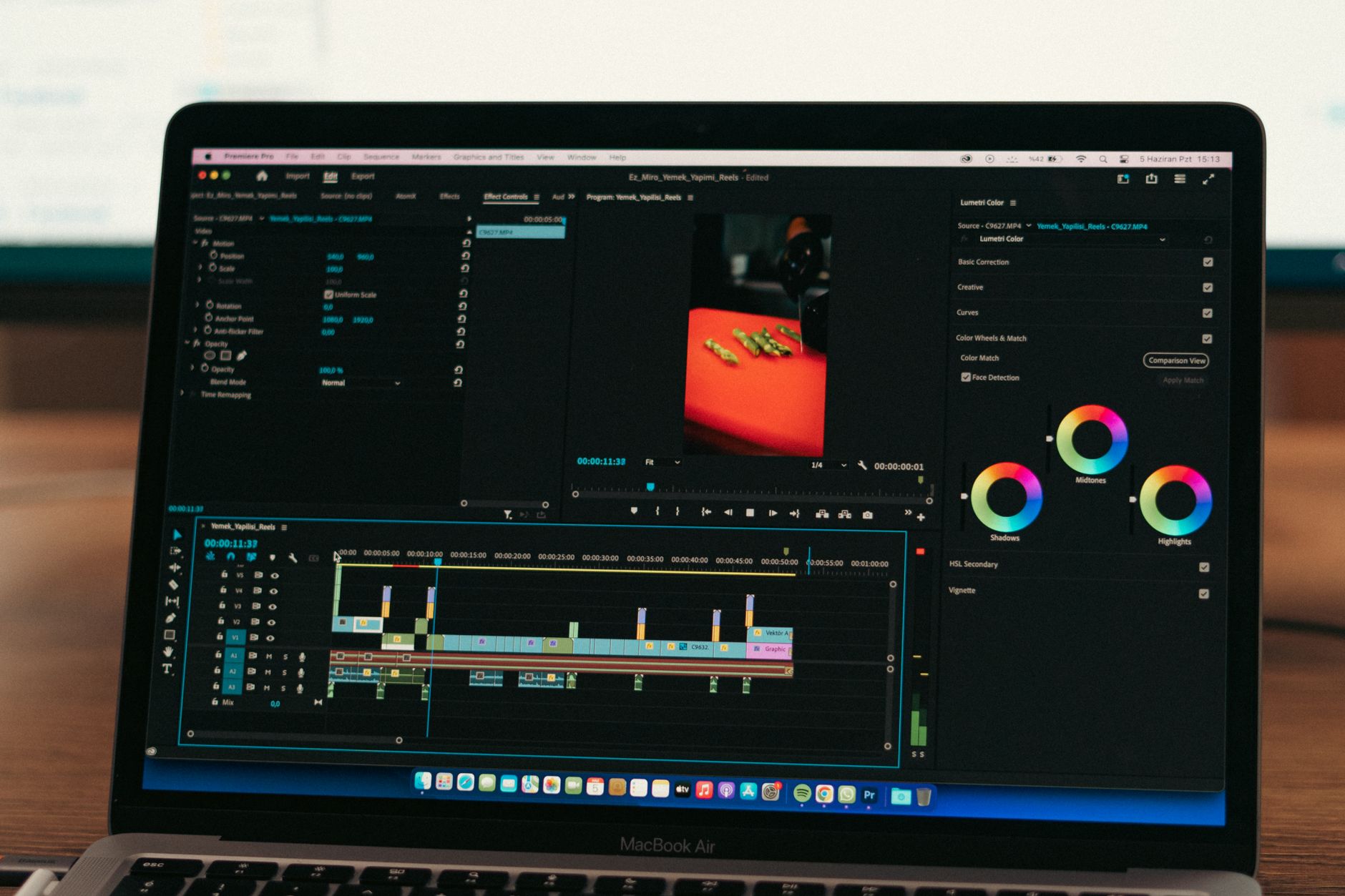
The mechanics are straightforward. A creator uploads their primary footage – a talking head, a podcast clip, a product demo – and Clip’s system analyzes the content, identifies the topics being discussed, and generates b-roll visuals that match the narrative. A finance creator talking about compound interest might get abstract animations of currency and growth charts. A travel creator discussing a coastal destination might get sweeping aerial-style footage of cliffs and water. The AI pulls from the context of the words, not from a pre-tagged library.
This is the part that makes it genuinely different from what stock sites offer. Traditional platforms like Shutterstock or Pond5 operate on search logic – you enter a keyword, you get results that match that tag. The quality and relevance depend entirely on what human videographers chose to submit and how accurately it was labeled. Clip’s generator inverts that model entirely. Instead of browsing to find something close enough, the tool builds something that fits by design. Creators who work in niche topics – industrial supply chains, neuroscience communication, hyper-local small business content – tend to benefit most, because stock libraries have always covered those categories poorly.
There’s also a consistency advantage that doesn’t get discussed enough. When a brand generates all of its b-roll through the same AI system, the visual style stays coherent across videos. Stock footage mixing is notoriously uneven – one clip shot in golden hour, the next in flat fluorescent light, a third with a completely different color grade. AI-generated b-roll can be prompted to maintain a consistent aesthetic, which matters a great deal for brands that treat visual consistency as part of their identity strategy.

Why Stock Sites Are Feeling the Pressure
The business model of stock footage has always depended on volume and exclusivity friction. Sites charge subscription fees or per-clip licensing because creators needed access to footage they couldn’t produce themselves. That dependency is weakening. A solo creator who previously needed a $49-per-month stock subscription to fill out their YouTube videos now has access to a generative tool that costs less and produces footage no one else has ever used. The math is simple enough that even casual creators are doing it.
The shift is most visible among short-form content producers. Creators building content for Reels, TikTok, and YouTube Shorts move fast – sometimes posting daily – and the friction of searching stock libraries for b-roll slows them down. Generative tools fit the pace of that workflow in a way that browse-and-license platforms simply don’t. Speed matters more than archive depth when you’re trying to publish before a trend cycle dies. It’s worth comparing this to how Opus Clip’s auto-reframe feature reduced reliance on manual editing – the pattern is the same: AI handles the repetitive technical layer so creators can focus on the creative layer.
Stock sites haven’t ignored this. Several have started integrating AI-generation tools into their own platforms, but there’s an inherent conflict of interest in that move. A company whose revenue comes from licensing existing footage has limited incentive to aggressively push a tool that makes that footage irrelevant. The half-measures show. Clip, without that legacy business to protect, has built the feature as a core part of its product rather than a bolt-on experiment.
The Limitations Worth Knowing
AI-generated b-roll isn’t flawless. Footage involving human faces and hands still runs into the familiar distortion problems that affect most generative video models – fingers that don’t quite work, facial expressions that drift slightly off. This makes the tool stronger for abstract, environmental, and product-focused content than for anything requiring realistic human subjects. Creators who need footage of people doing things are still reaching for stock libraries or original shoots for those specific shots, even if they’re generating everything else with AI.
There’s also the question of what “generated footage” means for brand credibility over time. Right now, AI b-roll is novel enough that audiences aren’t scrutinizing it closely. That may not hold as the aesthetic becomes more familiar and more common across platforms. A brand that builds its entire visual identity around generated footage takes a risk that the look will become identifiable – and eventually, cheap-looking – as the technology becomes ubiquitous. The same thing happened with certain stock photo aesthetics in the mid-2010s, and audiences learned to recognize and distrust them.

Still, for the majority of content use cases – explainer videos, social content, brand ads that don’t require photorealistic human footage – Clip’s b-roll generator removes a real bottleneck at a real cost saving. Stock footage libraries built their value on scarcity and access; neither of those advantages holds when the footage can be made to order in seconds. The question isn’t whether AI b-roll will become standard practice – it already is for a growing segment of creators – it’s whether stock sites can find a new value proposition before that segment becomes the majority.