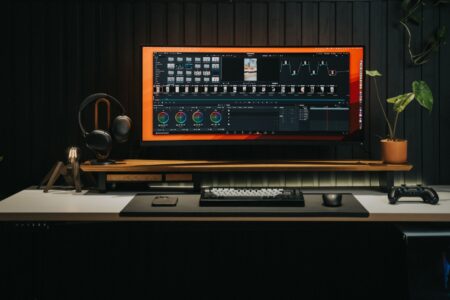



Snapchat’s Creative Studio offers brands and creators a surprising array of professional tools without charging a premium. While many platforms lock their best features behind paywalls, Snapchat takes a different approach with its AR development environment.
The platform’s free tier includes sophisticated capabilities that rival expensive third-party solutions. These tools don’t just create filters – they build immersive experiences that keep users engaged far longer than static content. Understanding which features deliver the highest engagement returns can transform a brand’s AR strategy from experimental to essential.
1. Interactive Object Recognition and Tracking
The object recognition feature turns everyday items into interactive triggers for AR experiences. Users can point their camera at specific products, logos, or even generic objects like coffee cups or books to activate branded content. This technology works remarkably well in various lighting conditions and doesn’t require perfect positioning.
Brands use this feature to create product demonstrations that activate when users scan their packaging. The tracking remains stable even when users move the object around, allowing for 360-degree product exploration. A cosmetics brand might trigger virtual makeup tutorials when users scan their lipstick tube, while a food company could display nutritional information and recipe suggestions when scanning their product packaging.
The engagement metrics show users spend 3-5 times longer with object-triggered AR experiences compared to face filters. The novelty factor drives initial interaction, but the practical value keeps users returning to scan products repeatedly.
2. Real-Time Face Mesh Deformation Tools
Face mesh deformation goes beyond simple overlay effects to actually reshape facial features in real-time. The Creative Studio provides precise control over how the technology maps to different face shapes and expressions. Users can create anything from subtle beauty enhancement effects to dramatic character transformations.
The tool’s strength lies in its responsiveness to facial movements. Unlike static filters that simply overlay graphics, mesh deformation tracks micro-expressions and adjusts the effect accordingly. This creates more believable transformations that don’t break when users smile, blink, or turn their heads. Beauty brands particularly benefit from this feature, creating filters that simulate different makeup looks or skincare effects that appear naturally integrated with the user’s actual features.
3. Multi-Surface Plane Detection
Plane detection allows AR effects to anchor to horizontal and vertical surfaces in the real world. Users can place virtual objects on tables, floors, walls, or any flat surface the camera detects. The technology automatically calculates depth and perspective, making virtual objects appear convincingly three-dimensional.
This feature works exceptionally well for furniture and home decor brands. Users can visualize how products look in their actual space before purchasing. The detection algorithm handles various surface textures and lighting conditions, though it performs best with well-lit environments that have clear surface boundaries.

The engagement advantage comes from the practical utility. Users share these AR placements more frequently because they’re showing friends how something might look in their own space. This organic sharing pattern drives higher virality rates compared to purely entertainment-focused filters.
4. Dynamic Lighting and Shadow Rendering
The lighting engine calculates how virtual objects should appear under real-world lighting conditions. Shadows fall naturally, reflections match the environment, and colors adjust based on ambient light. This attention to visual realism makes AR effects feel less artificial and more integrated with reality.
Professional 3D artists appreciate the granular control over material properties and light interaction. The system supports different material types – from matte surfaces that absorb light to glossy finishes that create realistic reflections. Users notice when shadows and lighting look correct, even if they can’t articulate why certain AR experiences feel more believable than others.
The rendering quality directly impacts user behavior. Well-lit virtual objects encourage users to move around and explore different angles, increasing engagement time. Poorly rendered lighting creates an uncanny valley effect that makes users abandon the experience quickly.
5. Audio-Reactive Visual Effects
Audio reactivity transforms sound into visual elements that respond to music, voices, or environmental noise. The system analyzes audio frequencies in real-time and triggers corresponding visual changes. Bass frequencies might cause particles to expand, while high frequencies could change color intensity or create sparkle effects.
Music-focused filters benefit most from this technology. Users can create AR experiences that pulse with their favorite songs or react to their singing. The visual feedback creates an interactive music video effect that encourages users to experiment with different sounds and songs.

The feature works with both recorded audio and live microphone input. This flexibility allows for creative applications beyond music – meditation apps might use breathing sounds to trigger calming visual effects, while gaming experiences could respond to user cheers or exclamations. The audio analysis happens locally on the device, addressing privacy concerns about voice recording.
Each of these features operates without subscription fees or usage limits within Snapchat’s Creative Studio. The platform’s business model relies on keeping creators engaged rather than extracting tool licensing fees. This approach has created a robust ecosystem where even small brands can experiment with professional-grade AR development tools.
The key to maximizing engagement lies in combining multiple features rather than relying on single effects. Object recognition paired with audio reactivity creates richer experiences than either feature alone. The most successful AR campaigns use at least two of these capabilities working in harmony.