



Email marketing remains one of the highest-converting digital channels, but today’s most successful campaigns don’t exist in isolation. Smart marketers integrate their email efforts with social media schedulers to create cohesive, multi-channel campaigns that amplify reach and engagement across platforms.
The challenge? Most premium marketing suites cost hundreds per month, putting integrated solutions out of reach for small businesses and growing brands. Fortunately, several free email marketing platforms now offer robust social media scheduling integrations, allowing you to coordinate campaigns without breaking the budget.

1. Mailchimp with Buffer Integration
Mailchimp’s free tier supports up to 2,000 contacts and 12,000 emails monthly, while its Buffer integration enables seamless social media coordination. When you create an email campaign, Buffer automatically generates corresponding social posts using your email content, maintaining consistent messaging across channels.
The integration works both ways – successful social content can be repurposed into email newsletters, and email subscriber data helps inform your social media targeting. Mailchimp’s audience insights reveal which social platforms your subscribers prefer, allowing you to prioritize scheduling efforts where they’ll have maximum impact.
Buffer’s free plan includes posting to three social accounts, making this combination particularly valuable for small businesses managing Facebook, Instagram, and Twitter simultaneously. The platforms sync subscriber engagement data, helping you identify which content resonates across different channels.
2. ConvertKit with Later Connection
ConvertKit offers unlimited emails to up to 300 subscribers on its free plan, with Later providing visual social media scheduling for Instagram, Pinterest, Facebook, and Twitter. This pairing excels for content creators and visual brands who need Instagram-first strategies synchronized with email nurture sequences.
Later’s auto-posting feature publishes your scheduled content while ConvertKit’s automation triggers follow-up emails based on social engagement. If someone clicks through from Instagram to your landing page, ConvertKit can automatically add them to specific email sequences, creating seamless funnel experiences.
The visual content calendar in Later helps you plan email send times around your social posting schedule, ensuring your audience isn’t overwhelmed with simultaneous communications. ConvertKit’s tagging system integrates with Later’s link-in-bio feature, allowing sophisticated audience segmentation based on social traffic sources.
3. MailerLite with Hootsuite Sync
MailerLite’s free tier accommodates 1,000 subscribers with 12,000 monthly emails, while Hootsuite’s free plan manages up to three social profiles with 30 scheduled posts monthly. Together, they create a streamlined workflow for coordinating email announcements with social media promotion.
Hootsuite’s content library stores approved assets that both teams can access, ensuring brand consistency between email headers and social graphics. MailerLite’s drag-and-drop editor creates templates that match your social media aesthetic, while Hootsuite’s bulk scheduling distributes promotional posts across optimal engagement windows.
The platforms share analytics data, revealing which email subjects perform best when adapted as social headlines. This cross-platform testing approach helps refine messaging across channels without requiring separate A/B testing budgets for each platform.
4. Sender with SocialBee Integration
Sender provides 15,000 free emails monthly for unlimited subscribers, paired with SocialBee’s free tier supporting one social profile with 10 scheduled posts. This combination suits growing businesses that prioritize email volume while maintaining consistent social presence.
SocialBee’s evergreen posting feature recycles high-performing email content as social posts, extending the lifespan of your best campaigns. Sender’s automation workflows can trigger social posting sequences when subscribers take specific actions, like making purchases or downloading resources.
The integration particularly benefits e-commerce businesses, as Sender’s product recommendation emails coordinate with SocialBee’s promotional post scheduling. Customer testimonials from emails automatically become social proof posts, while social engagement data informs email segmentation strategies.
5. Omnisend with CoSchedule Connection
Omnisend’s free plan includes 500 emails monthly for up to 250 contacts, with advanced e-commerce features that integrate seamlessly with CoSchedule’s marketing calendar. This pairing excels for retail brands needing coordinated product launches across email and social channels.
CoSchedule’s unified calendar displays both email send dates and social posting schedules, preventing campaign conflicts while ensuring consistent promotional timing. Omnisend’s abandoned cart emails coordinate with CoSchedule’s retargeting social ads, creating comprehensive recovery sequences.
The platforms share customer journey data, allowing you to schedule social proof posts immediately after positive email responses. If someone opens a product announcement email, CoSchedule can automatically schedule personalized social ads, creating seamless multi-touch campaigns.
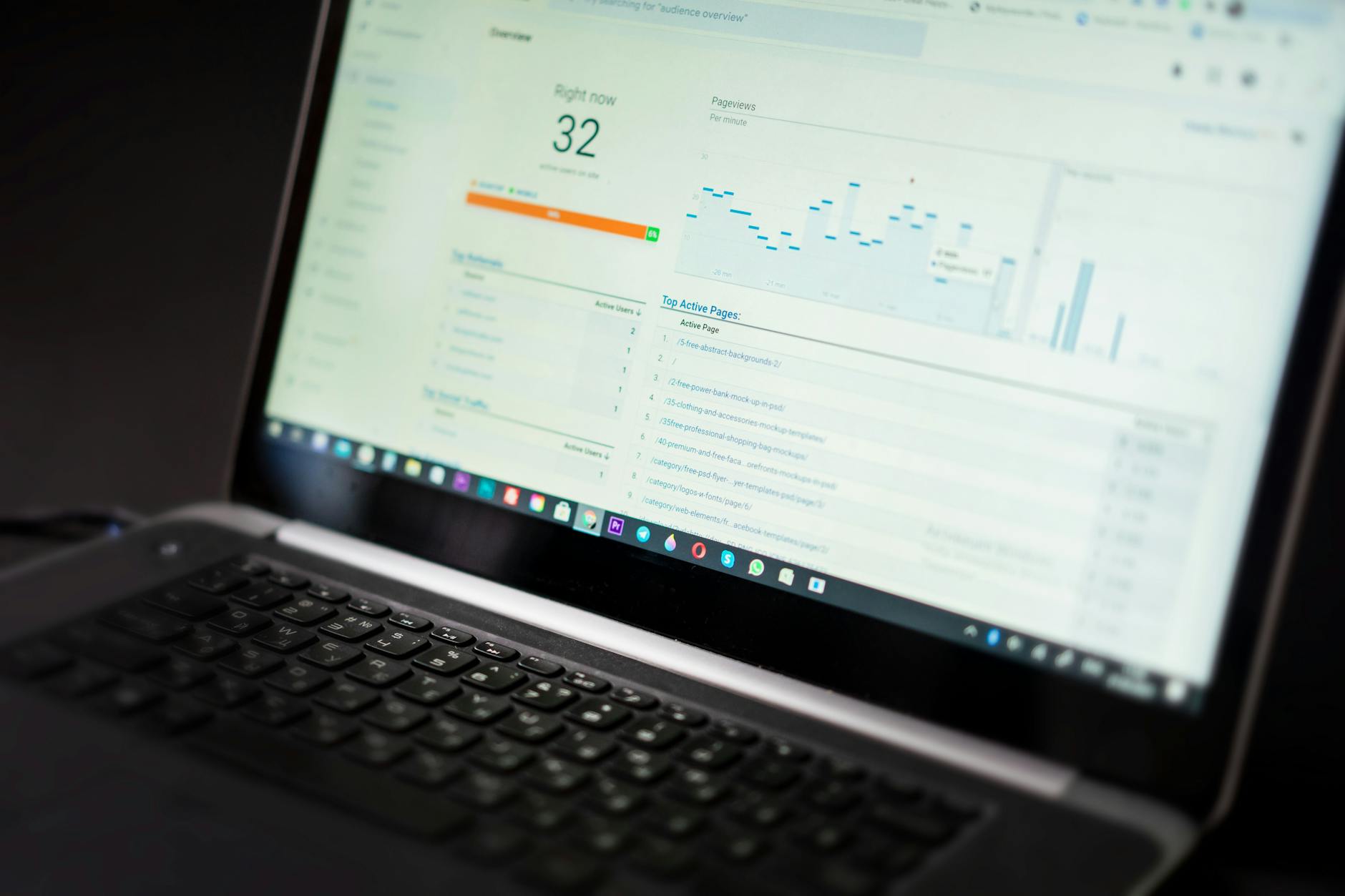
Beyond basic integration capabilities, these free platform combinations offer strategic advantages that rival premium solutions. Cross-platform analytics reveal which messaging approaches work best across channels, while unified scheduling prevents audience fatigue from simultaneous communications.
The key to maximizing these integrations lies in treating them as components of larger customer journeys rather than separate marketing activities. Social media serves as the top-of-funnel awareness driver, while email nurtures prospects toward conversion. When synchronized effectively, they create compound engagement effects that exceed the sum of their individual performances.
For businesses exploring more sophisticated design coordination, consider reviewing professional template libraries that maintain visual consistency across your integrated campaigns. Similarly, competitor analysis platforms can reveal how successful brands coordinate their email and social strategies.
Start with one integration pair that matches your primary audience platform, then gradually expand as your marketing sophistication grows. The goal isn’t using every available tool, but creating seamless experiences that guide prospects naturally from social discovery to email conversion.
Frequently Asked Questions
Can free email platforms really integrate with social media schedulers?
Yes, many free email platforms offer direct integrations or API connections with popular social media scheduling tools like Buffer, Later, and Hootsuite.
What’s the benefit of integrating email marketing with social media scheduling?
Integration creates cohesive multi-channel campaigns, prevents audience fatigue, and allows cross-platform analytics to optimize messaging across channels.